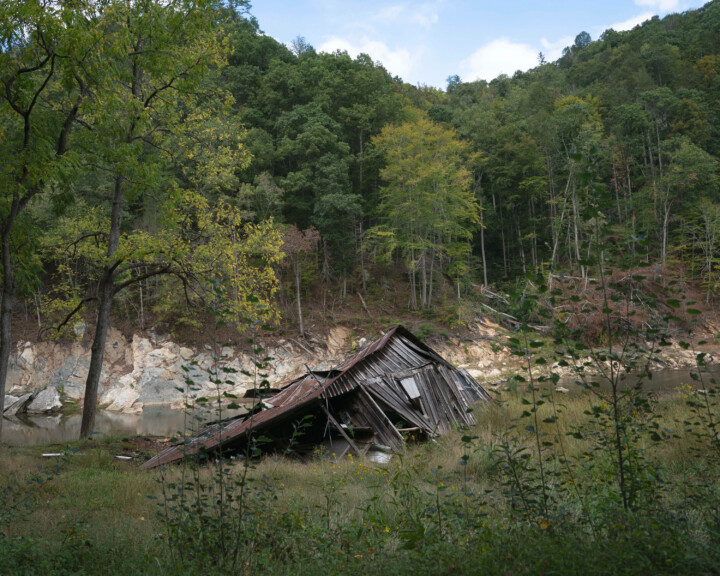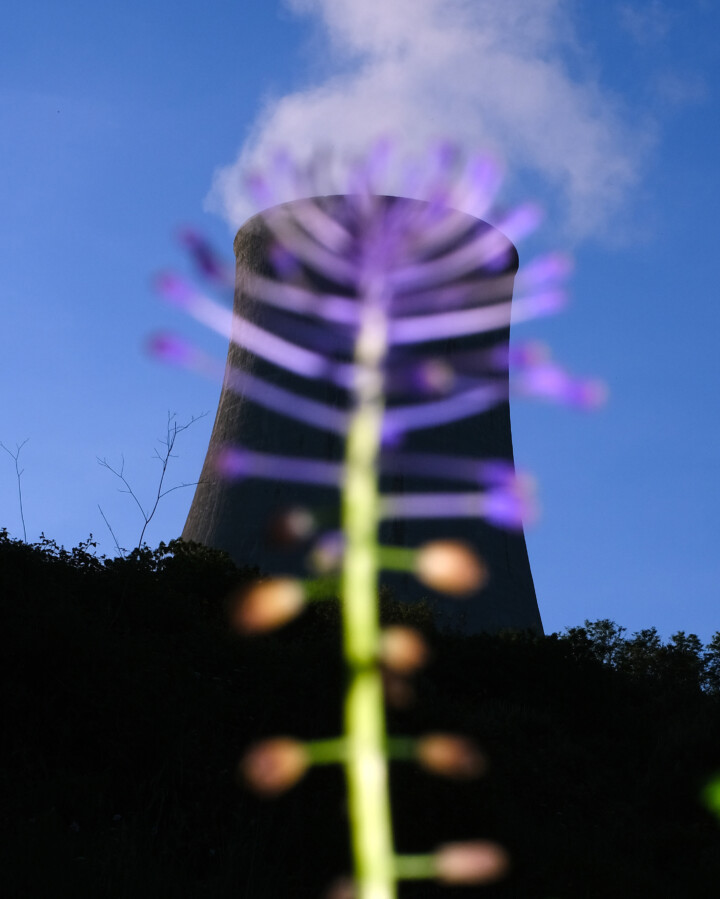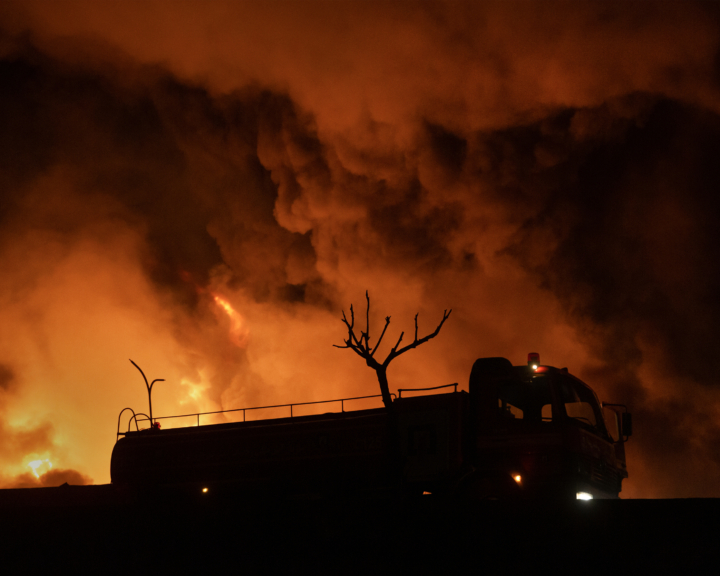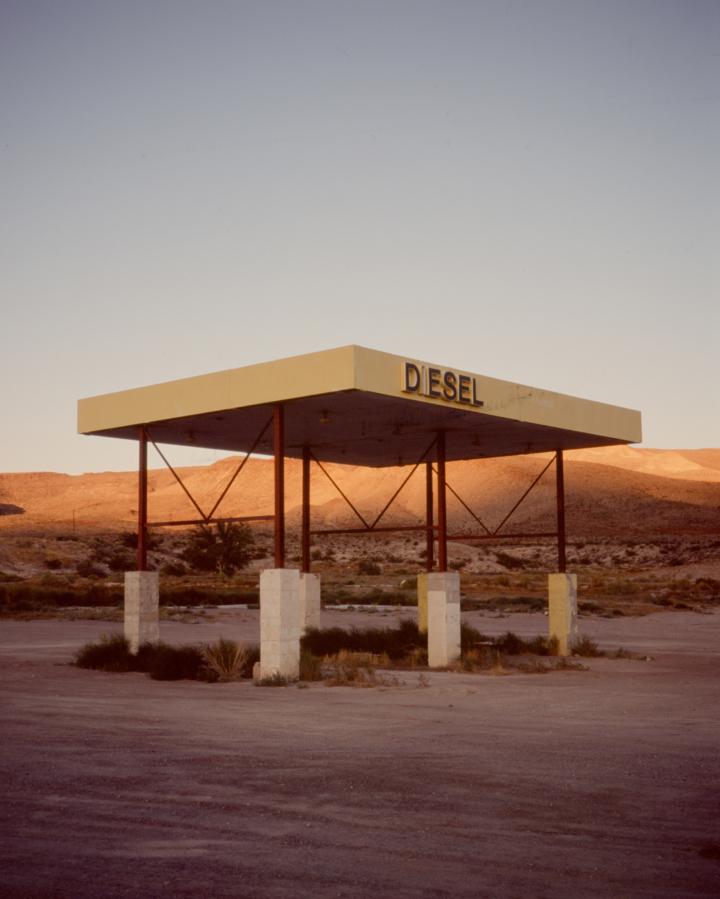



Photograph by Nicolò Rinaldi / Connected Archives
words by miranda green
I don’t think I’m alone when I say this past year’s news cycle has felt like a crashing wave. At times, it felt relentless: enough to take your breath away. Many of us knew that 2025 was going to be a ride since we’ve lived through this before. We just didn’t know how much of it we’d see again—and at what cadence.
It turns out the answer was a rapid-fire one. Project 2025 primed President Trump to come back into the Oval Office with no hesitation about his game plan. He issued 26 executive orders on his first day, quickly established himself as a pro–fossil fuel president, handed Elon Musk the tools needed to strip key science agencies of their staff, and began chipping away at environmental initiatives started under Obama and strengthened by Biden. He pushed Congress to largely defang Biden’s capstone Inflation Reduction Act and followed that up with the “One Big Beautiful Bill,” which didn’t extend tax credits for electric vehicles and placed new restrictions on energy tax credits.
Looking back at what transpired on a policy level last year is rather astounding—but that’s just part of the story. As readers of The Understory know, it’s important to view this past year from all angles.
With this final newsletter of 2025, I wanted to take stock of what occurred over the past year by first looking at details that might have been lost in the headlines—or that only make sense in retrospect. I wanted to assess how much the White House really did, how many changes we saw, and how those shifts affected our lived experiences. Some of the numbers might surprise you.
From a climate perspective, there were major policy blows and setbacks when it came to slowing emissions and protecting the planet in the face of global warming.
Let’s start with the hard facts. In 2025, there were:
221 executive orders signed by the White House, 20 of which pertained specifically to energy or climate
1.3 billion acres of U.S. coastal waters proposed to be opened to offshore drilling for the first time
A 27% decrease in electric vehicle sales from January to November
A 1.1% rise in global emissions, a record high
Just a 2-cent decrease in the national average price of gas from January to November
32 climate lawsuits were filed against the Trump administration
114 animal species gained increased global protections against smuggling
88% of all new energy that came online was from solar, wind, and hydropower
New York’s emissions dropped 22% after a novel congestion toll charged cars for driving in parts of the city during rush hour
90% of global electricity demand growth between 2025 and 2030 is expected to be powered by renewables
Of course, not everything can be boiled down to numbers. Looking back on last year—and ahead to 2026—we need context. So I reached out to several experts in their fields: people who follow the news closely and study key climate and environmental issues.
I asked them for their biggest takeaways from the past year—and what they’re watching as we move forward. Below are excerpts from their thoughtful responses.
Q: Looking back on 2025, what do you think was the top upset for you when it comes to climate change, energy, or the environment? Something that you felt at the time, and perhaps still feel now, was incredibly jarring?
“The big one is the absolute passivity of Congress in the face of all this. The environmental movement of the 1970s was embodied in the legislation adopted in the period between 1970 and 1990. At that time, Congress focused in great detail on the environmental challenges facing the country. Now, as we face new challenges, Congress is nowhere to be found except in partisan sound bites untethered to facts, and has abdicated its oversight role … The current situation is unlike anything I ever saw in my 39 years with EPA.” –Stan Meiburg, former acting EPA administrator under Obama
“The previous administration had put us on a hopeful path to combat climate change with the Inflation Reduction Act. The illegal termination of grant programs, like the $7 billion Solar For All program, has profound implications for climate change, as well as deeply harmful impacts to communities all over the United States.” -Kym Meyer, litigation director at the Southern Environmental Law Center
“For too many, 2025 was a year of great sadness, fear, and loss. As a D.C. resident and a proud former federal employee, the dismantling of federal agencies and protections has been deeply concerning—specifically, how openly the Trump administration has stepped away from its basic responsibility to serve the people. Almost overnight, critical programs have been gutted, experts sidelined, and enforcement tools weakened without regard for the impacts.” -Corey Solow, legislative director for climate and energy at Earthjustice
“The first six months of the year were the costliest six months of weather disasters in U.S. history. More pollution’s only going to make those disasters more destructive, drive up insurance costs, and threaten home values.” -Joanna Slaney, vice president, political affairs and government affairs at the Environmental Defense Fund
“In August, the Trump Administration announced NASA would decommission satellites that are collecting climate and pollution data, despite the fact that they have already been paid for, and that operating costs were low. The Trump Administration is choosing to *pay* to stop having information. That, among other things, is a sign that this administration is not only governing by medieval ideology, but aiming to destroy any competing forms of knowledge. When a government recognizes data and information as its enemy, it has entered dystopia.” -Shi-Ling Hsu, environmental law professor at Florida State University College of Law
“What’s incredibly jarring to me has been the use of the Federal Bureau of Investigation to criminally investigate current and former EPA employees working on climate change programs. These mafioso-like tactics are part of a well-planned effort by the administration to intimidate public employees and create false narratives around programs that they use to destroy.” -Tim Whitehouse, executive director for the Public Employees for Environmental Responsibility

Q: Considering that same time period, what is something that happened, or you’ve experienced or heard, that gives you hope?
“I have been encouraged by the resilience of some states, local groups, and communities, especially in the area of renewable energy. Despite massive propaganda efforts by the administration, both communities and businesses continue to discover that renewable energy, such as combinations of solar power and battery storage, are cheaper and faster to build and use than fossil fuel alternatives … Doing the right thing for the environment is being reframed, as it should, as also doing the right thing for our wallets—making health care and energy more affordable while improving our quality of life.” –Stan Meiburg, former acting EPA administrator under Obama
“Earthjustice and our partners are appearing before state public utility commissions to push back on utility plans to continue relying on aging coal plants to produce electricity. In Kentucky, we successfully argued before the Public Service Commission to require the utility to consider retiring coal plants and develop plans to implement energy efficiency and demand response programs. Meanwhile, our Right to Zero campaign is driving city, state, and regional action to electrify our transportation, homes, buildings, and industries and build a zero-emissions future for all.” -Corey Solow, legislative director for climate and energy at Earthjustice
“The elections in November were a referendum on energy prices—and people voted enthusiastically for candidates who said they were going to do something about it, and that included more clean, reliable, affordable energy. The results are clear: people want more choices. They want lower prices. That’s not what they’ve been getting.” –Joanna Slaney, vice president, political affairs and government affairs at the Environmental Defense Fund
“About five years ago, I realized that the same question was rising to the top of the questions I was receiving at nearly every talk I was giving, whether to high school students or architects: ‘What gives you hope?’ (or sometimes the flip side, ‘Are we screwed?’) … Hope itself is not an emotion: It is a choice, a practice, and a conviction that what we do will make a difference. In a nutshell, it’s action! Not only our own, but being aware of and sharing that of others… We are long past the time when we need to search for hope. Instead, the right question to ask is: “What are you doing to create hope?” Share your actions with others and learn and share about theirs, too. That is how we create hope together.” –Katharine Hayhoe, chief scientist for The Nature Conservancy
Q. When it comes to looking ahead to 2026, what do you think will be a defining area of interest that will or should take up the news cycle when it comes to energy, environmental, and climate news?
“The explosion of AI has generated plenty of headlines, but the impacts of unchecked data-center expansion on public health and the environment must be at the forefront of the conversation. These massive data centers often consume as much energy as an entire city. The Trump administration is using projected AI energy demand as an excuse to prop up coal and gas plants, increasing pollution and delaying our transition to clean energy while leaving communities footing the bill through higher electricity rates.” -Corey Solow, legislative director for climate and energy at Earthjustice
“There is no question that climate-fueled disasters are on the rise: from disastrous wildfires across North America to unprecedented cyclones and typhoons in southeast Asia…Sadly, so too will [increase] the misinformation and disinformation that surround them, hampering the accurate communication of facts and efforts to assist with risk mitigation and recovery: an issue which is also at the very top of the World Economic Forum’s risks list! These risks are no longer distant; they are literally affecting the air we breathe, the cost of the food we eat, the quality of the water we drink, and even the expenses of the homes we maintain.” –Katharine Hayhoe, chief scientist for The Nature Conservancy
“What I am looking for in 2026 are signs that China will be exporting its solar panels to less-developed countries, and that China might undertake leadership on emissions reductions, perhaps working more closely with the EU. That remains a pretty speculative possibility, but since Europe now finds itself utterly alone, there may be scope for a bargain with the only remaining rational (if still authoritarian and evil) superpower.” –Shi-Ling Hsu, environmental law professor at Florida State University College of Law
“The wheels are coming off the bus, so to speak—the bus being the administration. This means this coming year will be even more dangerous for this country than the past year. It will be important that those who report the news not overlook the important energy, environmental, and climate trends and issues that we need to address as a country in the midst of what will be a chaotic and difficult year politically.” -Tim Whitehouse, executive director for the Public Employees for Environmental Responsibility
“Insight will come from the Court’s decisions about the ability of the executive branch to rescind or ‘claw back’ funds appropriated to Congress, especially for renewable energy and disadvantaged communities. Given that the administration seems to have abdicated its role in environmental enforcement, courts are also likely to see more citizen suit cases whose outcomes will be worth watching.” –Stan Meiburg, former acting EPA administrator under Obama
“I think we will start to get some clarity on where grantees can get relief for the illegal termination of their grants. As these cases start to reach final judgment, we could hope to see a big influx of funding back into programs to combat climate change.” -Kym Meyer, litigation director at the Southern Environmental Law Center
Join our membership community. Support our work, receive a complimentary subscription to Atmos Magazine, and more.
2025, By the Numbers: What a Year of Climate Whiplash Really Looked Like