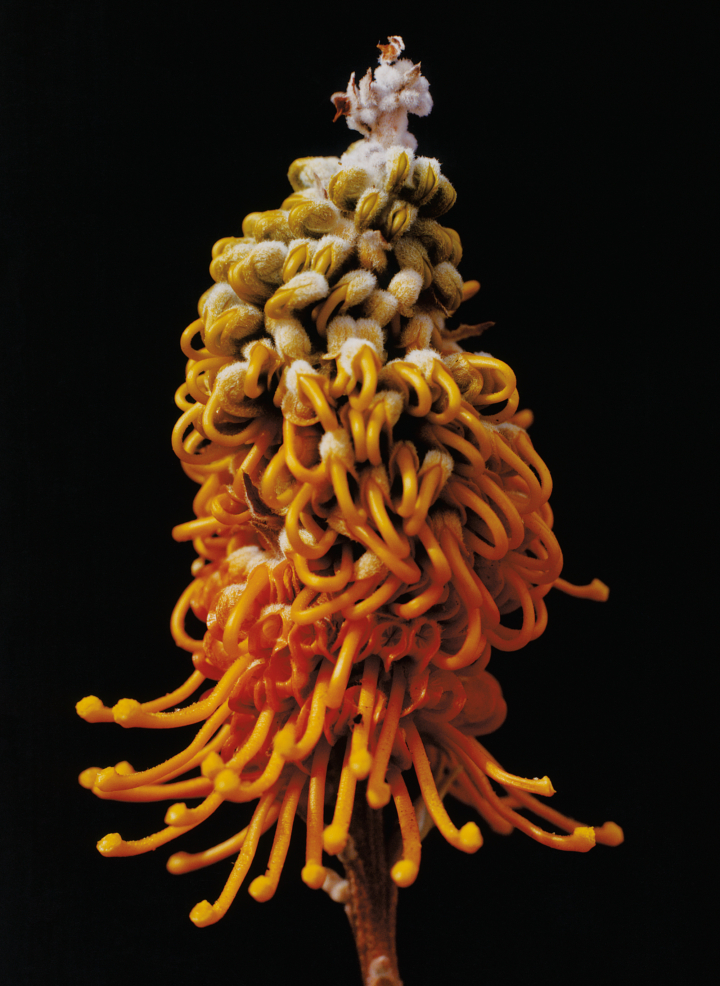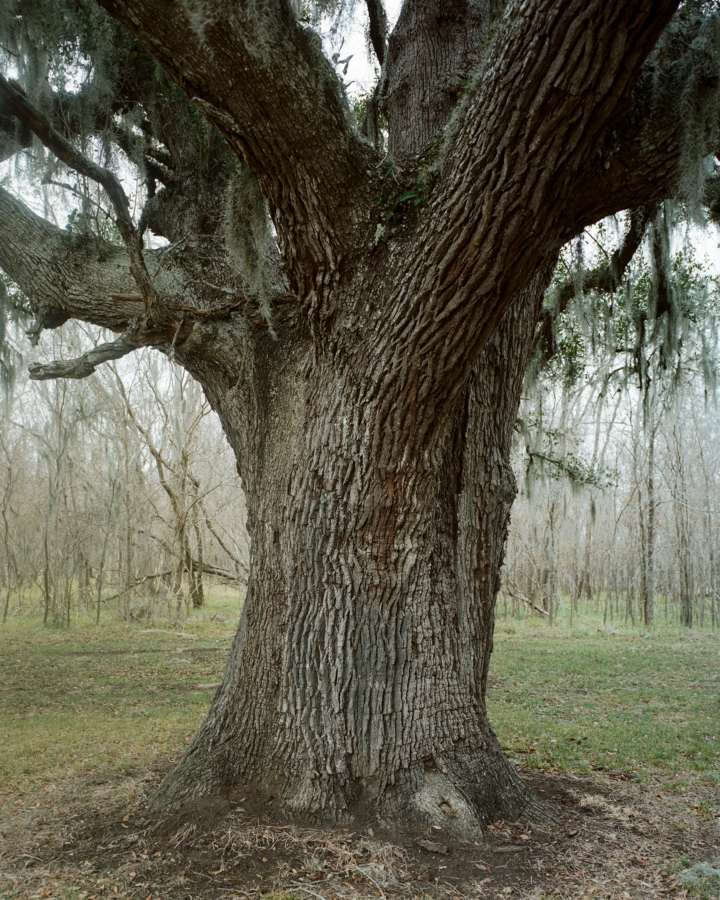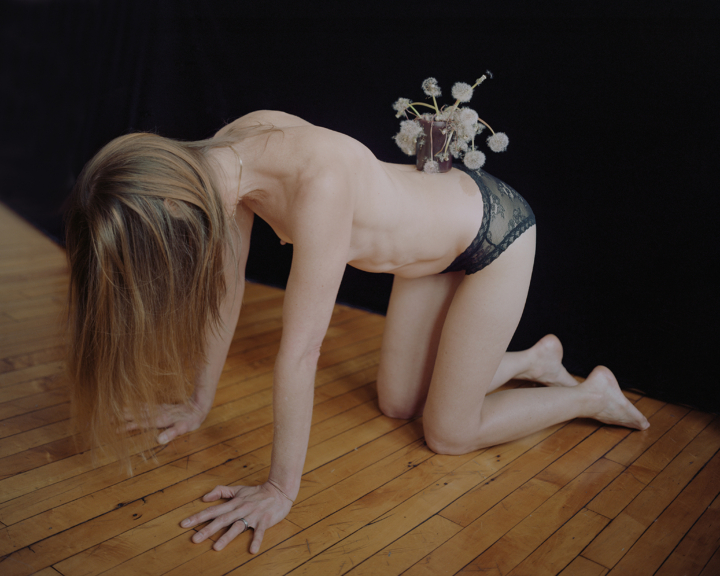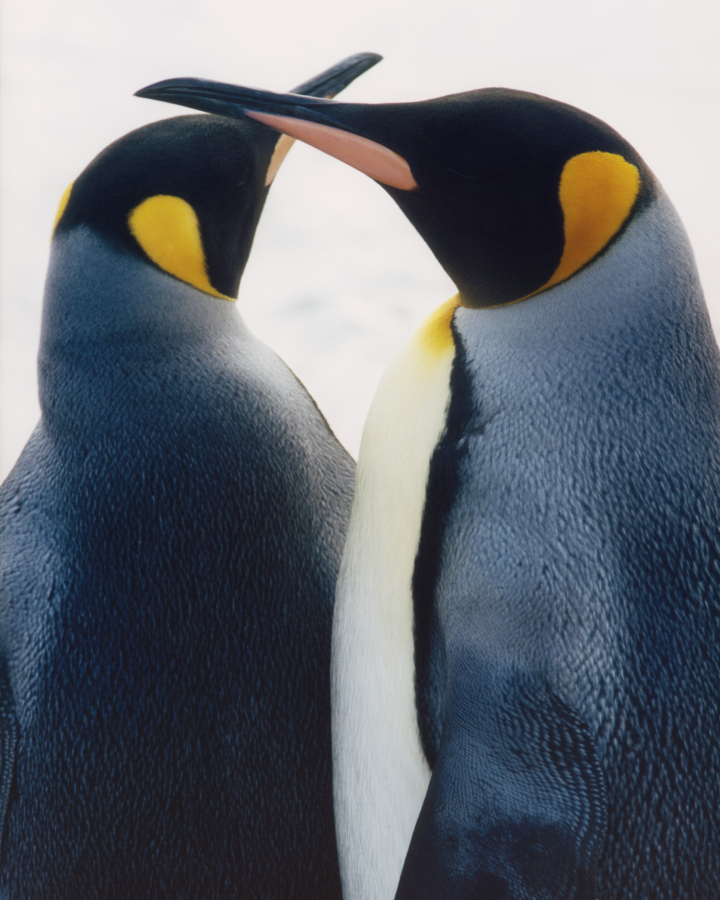
Photograph by Gleeson Paulino
To never miss an episode of The Nature Of, be sure to follow here.
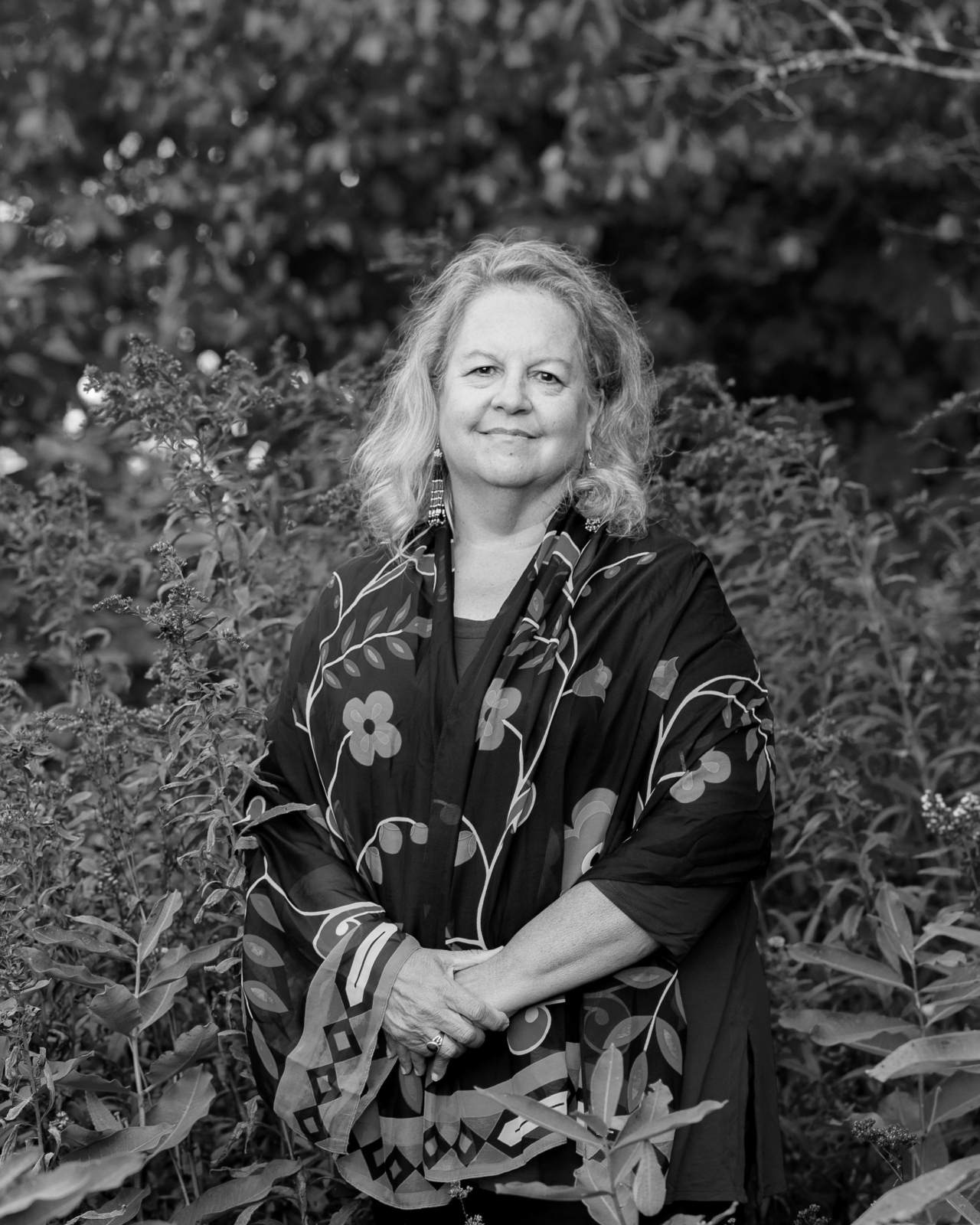
In this week’s episode of The Nature Of, Willow sits down with Robin Wall Kimmerer, beloved scientist, author of Braiding Sweetgrass, and member of the Citizen Potawatomi Nation. They explore the shift from learning about to learning from nature, understanding that the land loves us back, and Robin’s new Plant Baby Plant initiative. Robin invites us to step back into belonging, and to see the natural world not as something separate from us, but as a generous teacher offering guidance every single day. This conversation is full of wonder and clarity, and it just might change the way you walk outside.
Robin Wall Kimmerer is a mother, scientist, decorated professor, and enrolled member of the Citizen Potawatomi Nation. She is the author of Braiding Sweetgrass: Indigenous Wisdom, Scientific Knowledge and the Teachings of Plants, which has earned Kimmerer wide acclaim. Her first book, Gathering Moss: A Natural and Cultural History of Mosses, was awarded the John Burroughs Medal for outstanding nature writing, and her other work has appeared in Orion, Whole Terrain, and numerous scientific journals. In 2022, Braiding Sweetgrass was adapted for young adults by Monique Gray Smith. This new edition reinforces how wider ecological understanding stems from listening to the earth’s oldest teachers: the plants around us. Robin’s newest book, The Serviceberry: Abundance and Reciprocity in the Natural World (November 2024), is a bold and inspiring vision for how to orient our lives around gratitude, reciprocity, and community, based on the lessons of the natural world.
Robin tours widely and has been featured on NPR’s On Being with Krista Tippett and in 2015 addressed the general assembly of the United Nations on the topic of “Healing Our Relationship with Nature.” Kimmerer is a SUNY Distinguished Teaching Professor of Environmental Biology, and the founder and director of the Center for Native Peoples and the Environment, whose mission is to create programs which draw on the wisdom of both Indigenous and scientific knowledge for our shared goals of sustainability. In 2022 she was named a MacArthur Fellow. As a writer and a scientist, her interests in restoration include not only restoration of ecological communities, but restoration of our relationships to land. She holds a BS in Botany from SUNY ESF, an MS and PhD in Botany from the University of Wisconsin and is the author of numerous scientific papers on plant ecology, bryophyte ecology, traditional knowledge and restoration ecology. She lives on an old farm in upstate New York, tending gardens both cultivated and wild.
Robin Wall Kimmerer
Doing the work of restoration and re-story-ation allows you to look the forest in the eye again and the birds and everybody else because you could say, “I’m doing my best here. I see you. I’m fulfilling my responsibilities as a human in this beautiful gift exchange.”
Narration
If I had to choose just one person whose work influenced my life more than any other, it would be Robin Wall Kimmerer, and I’m still pinching myself that I got to speak with her for this week’s episode. Robin is an incredibly gifted storyteller. Her book, Braiding Sweetgrass, has changed the lives of so many people around the world, including my own. As an Indigenous scientist, Robin seamlessly weaves together science and spirituality, inviting us to see the living world not as a subject to be studied but as a teacher to learn from.
Robin
We humans don’t know everything, and that here we think of ourselves at the top of this pyramid, and to recognize that “Oh, no, no, no. Our oldest teachers are growing at our feet,” and to open yourself to what they have to tell us.
Narration
I’m Willow Defebaugh, and this is The Nature Of, where we look to the nature of our world for wisdom and ideas that change the way we live. This week, I’m sitting down with Robin Wall Kimmerer to talk about her latest book, The Serviceberry, how we can be in action for the land, and what it means to see everything as a gift.
Willow Defebaugh
Robin, it’s such an honor to be speaking with you. I was reading Braiding Sweetgrass when we were founding Atmos, and the wisdom of that book is such a part of the roots of what we do. So, just thank you for being an inspiration and for being here today.
Robin
Well, thank you for inviting me. And I feel such alignment with the work that you all are doing and with your own beautiful writing, Willow.
Willow
Thank you. One of the reasons I connect so deeply with your writing is that you are such a gifted storyteller. And there’s one particular anecdote from Braiding Sweetgrass that has always stuck with me where you are talking to your students about our relationship with the living world through the lens of love. I was wondering if you could just share that anecdote, because I think it will be a helpful foundation for this conversation.
Robin
What comes to mind is a conversation that I was having in a seminar about the ways that we practice love for the land, of doing restoration work and garden work and activism. And the question arose that as we practice love for the land, what would it be like if we understood that the land loves us back? And it was so amazing. And I laugh in remembering it because the whole energy of the room changed as people said, “Oh, well, if we knew that the land loved us back, we wouldn’t inflict these things on the land, if we knew that the land loved us.” Just suddenly, a door opened to a completely different way of being in the world when you have this feeling that the love that you have for the land is reciprocated. And so, we had such a deep and generative discussion about “How do we feel that the land loves us, and how does that change our relationship?”
Willow
And it’s such a monumental reframe. And it’s not just poetic, it’s really grounded in truth, because when we love something or someone, we take care of them, we nourish them, we feed them. And I love that you kind of pose that question of, “Well, doesn’t the land do all of those things for us? And why wouldn’t that be love?”
Robin
Right. As I try to both engage with my students and think through this on my own, “What does that really mean? Are there concrete ways in which, as a scientist, I have evidence that the land loves me back?” And I think about “What does it mean when we love someone?” Like you say, we nurture them. We give them our best. We feed them. We teach them. We be sure that they’re surrounded by beauty. We want them to be healthy, right? All of those things that we would say are representative of a loving relationship between people, well, that’s what we get from Mother Earth every single day. And it’s that kind of unconditional love from the land that we don’t necessarily deserve or earn these acts of love from the land. They’re just inherent in relationship. And that’s really powerful.
In fact, when I think about the gifts of the plants in particular, there’s a beautiful analysis of the word for budding, which, of course, how plants grow in our language. And that word contains the expressions of what does it mean to love. And so, just held in the language is this notion that the plants love us and that they are giving us this unconditional love. And when you’re in the presence of that, as you say, it changes everything, doesn’t it, of how we interact with the land.
Willow
And it’s not something we have to go out and seek and find or discover. It’s just something to awaken to, which is so beautiful and powerful. So much of your work invites us to see the rest of the living world, not as a subject to be studied but as a source of guidance. And I’m curious, what does it take, in your experience, to shift from learning about the living world to learning from the living world?
Robin
I like the way you framed that because it is another one of those shifts in relationship where suddenly other things click into place. And I think some of the conditions under which we can come to learn from the land rather than about the land are, first of all, the condition of humility, to recognize that we humans don’t know everything, and that here we think of ourselves at the top of this pyramid, and to recognize that “Oh, no, no, no. Our oldest teachers are growing at our feet,” and to open yourself to what they have to tell us. So, humility, that thinking of ourselves not as masters of the universe but as the younger siblings of creation, is one of those conditions.
I think it’s also a certain kind of attention. And I’m so interested in attention these days because, as we know, many forces are trying to divert our attention from the natural world and from sustaining relationships to buying things. And so, the kind of attention that I think it takes to learn from the world is this really open and awake kind of listening. You’re not really listening with your ears, but looking at beings with that notion that the way that they live, the way that they are in relationship can be a lesson to us. It’s biomimicry thinking, isn’t it, of saying, “What could I learn from the natural world today?” But you have to engage the natural world in a really deep and also expansive way to be able to see those lessons.
Willow
We had Janine Benyus on the podcast earlier this year—
Robin
Oh, nice.
Willow
—and we’re speaking about biomimicry. And it’s such an expansive way of seeing the world to understand that we actually have millions of teachers. Life has gotten it right in so many cases. And how blessed are we that we don’t have to be alone in solving the problems that we have to solve today.
Robin
Oh, well said. I find it a source of comfort in times when there are so many things that I think, “Oh, I don’t know what to do about this.” I don’t even know how to sometimes frame the question, let alone get to the answer. But that time spent with the question and just looking around for who’s answering this question. Is it that bird? Is it the old maples? Is it the ferns? Is it the mosses? I just have that confidence. A phrase I love is, I have faith in photosynthesis. And I know that those answers, or maybe not answers, but pathways to answers are present all around me, and looking for them.
Willow
“I have faith in photosynthesis.” That’s beautiful. And I completely agree. I write this newsletter for the magazine, and it really started with every week, just as I was trying to navigate my personal life and being a human, asking, “Well, how have other beings solved this problem that I’m trying to solve my way through?” and then just writing about them. And it’s like, that became a practice to me. And I think that it’s a practice that everyone can be a part of and partake in.
Robin
And I must tell you, Willow, that your practice of writing those meditations collected in The Overview have now become part of my practice of reading them. I love to start the day with one of those meditations. And they generate that openness to seeing what the world has to say. So, thank you for those.
Willow
Oh, thank you. That really means the world. I referenced your work many times in Overviews and those meditations throughout the year, so I appreciate that.
Going back to this budding that you were speaking of, I wanted to talk about one particular plant that inspired your most recent book, The Serviceberry. In it, you write, “To name the world as gift is to feel your membership in the web of reciprocity.” Can you describe this plant and how they embody the philosophy of the gift economy?
Robin
Happily. The serviceberry is remarkable for the earliness of the fruits that are produced. Another name for it is the juneberry because they’re some of the early-season fruits that provide so many calories to the birds at a time when they’re nesting, when they’re raising babies, and they need all the energy. And so, the serviceberry, let’s remember what’s happening. Where do those berries come from? They come from the sun. They come from the rain. They come from the air. These commons that make up the world are transmuted by photosynthesis into berries.
So, the gift of light and air and water, the plants midwife that gift into berries. And they don’t keep the berries. They give them away to the birds. And this exchange is because, of course, the birds benefit by this, but so does the serviceberry, because, of course, the birds are carrying the seeds away, planting and fertilizing them. The tree doesn’t have the capacity for mobility, but the birds do. So, there’s this exchange of services. “I will photosynthesize and fix the calories, and you will carry them around so that the circle goes forward.”
And for the birds and for the berries, it’s a completely circular economy because there’s no such thing as waste. The leaves, the berries, the birds themselves make the soil that lets the tree grow and proliferate again. And so, this really generous tree just becomes kind of the exemplar of reciprocity in action, of passing on the gift. And so, I think also because people know serviceberries, they’re widely planted in our domestic landscape, this might help people look at them in a different way and compare the economy of nature to the capitalist market economy in which we are enmeshed.
Willow
And what does the gift economy look like in practice among humans? How do we emulate the serviceberry?
Robin
I think what I would want to amplify is a tiny story to begin that I share in the book that comes from Lewis Hyde’s book, The Gift, so well named. And it’s a story of human gift economies where an anthropologist who is visiting with and, indeed, studying as objects in the way that egregious work used to be done with a community in the Amazon. And the anthropologist reports that the hunter in the family was very successful and came back with more meat than could possibly be eaten. And so, the anthropologist asks, “Well, what are you going to do with all that surplus? What are you going to do with it all? You’re going to store it? You’re going to salt it, dry it? How are you going to keep this meat?” And in this anecdote, the hunter says, “Store my meat. Why would I do that? I store my meat in the belly of my brother,” meaning I’m going to invite everybody over to share in this feast.
And you store the meat in relationship. You pass on the gift of the natural world that has come through you, the hunter. You share it with your community so that the currency of a gift economy is respect and gratitude and the waves of reciprocity, so that food security in this case came not from hoarding, not from accumulation, but by sharing. Because in sharing, he developed the trust and the relationship that his community members would take care of him when they had abundance. So, there’s an example of a gift economy in a human setting that then we can replicate in almost any commons-based economy, where, again, the notion is that abundance comes through sharing the abundance, not from hoarding the abundance.
Willow
Something I was really struck in reading the book is you point out that the American Economic Association defines economics as the study of scarcity. And what could be more of a contrast to what you’re talking about and the gift economy? When you describe it the way that you do, it’s so clear that abundance is the currency when you see everything as a gift and everything is shared as a gift. What does abundance mean to you in your life right now, and what might it unlock for us to embrace abundance more as a movement?
Robin
Yeah. I think you’re absolutely right that recognizing abundance around us is like the doorway to participating in gift economies. Because when people are puzzled by, “Well, what does that look like? How could I participate in a gift economy?,” the question that I like to ask is, “What do you have in abundance?” And that’s what you share. If it’s time that you have in abundance, you’re sharing in a gift economy of volunteering. Maybe it’s books that you have in abundance. So you’re sharing in little free libraries. I think that’s the way to think about it, is, “What do I have so enough of that I could share?” And chances are that that means that there’s somebody else in your network who needs that and will value that and be lifted up by it. So, those kinds of small localized economies are everywhere.
Community gardens are a great example of that. A colleague of mine who is a forester, and as he is working on improving his forests for the growth of the trees, all the trees that he cuts, he has a firewood party and invites neighbors, particularly neighbors who heat their homes with wood. All that is required is you come and, “Let’s cut firewood together and have a meal together.” And the gift of the forest is then transmuted by relationships in the community to warmth in the winter and a celebratory lunch that goes with it. I love that. To me, that’s a beautiful example of a gift economy, of him saying, “What do I have an abundance of? And who could use it? And how do I create a pathway for what I have in abundance to flow to someone who needs it?”
Willow
And I love that so much because it also addresses the modern loneliness epidemic and isolation that so many people feel. And I know for me personally, when I become overwhelmed by all of the problems and seeing how interconnected they are, I love to flip that on its head and say, “Well, okay, if the problems are all interconnected, then so are the solutions.” And what you’re talking about here also addresses the feeling of disconnect that I think so many people have because it gets people in relationship with each other. It’s healing for the land, but also it’s healing for people and our sense of community, which is so important.
Robin
Well, I think that we should name that as another precondition for gift economies, right? You have to be in relationship because you have to not only know what you have in abundance, but you have to have a sense of the needs and the pathways to your neighbors. So you need to know each other. And you’re right, they’re all of the forces that have cultivated the loneliness of hyperindividualism and engaging online rather than with the person across the street from you. We have to resist those and rebuild those webs of interdependence. That might be one of the reasons that people feel like they can’t participate in gift economies. We have broken those bonds, and they feel so good when you reknit them.
I’m taken by your thought about this. For example, things like the little free libraries. I love that as an example. But that is also a kind of anonymity. “I’m going to put my book here, and whoever’s passing by can take it.” That’s beautiful. But it’s different than saying, “Oh, I know who would like this. I’m going to go knock on their door and deliver this to them.” So, maybe it’s just the gateway to what we need to go back to really knowing one another again.
Willow
It is. It makes me think … I live in this building in Brooklyn and there’s four apartments in the building. And during the pandemic, I had a couple conversations with my neighbors, but I didn’t really know them. And something inspired me to leave a book on the doorstep of the woman who lived across the hall. And she ended up loving the book, and it started this whole relationship. And then the whole building, we all became friends. And then I became part of this whole community, and it started with actually just exchanging books. And then now they’re some of my closest friends and we go upstate together and spend time on the land together. And now I don’t even know how I survived living in Brooklyn without having a community of neighbors who could text and be like, “Hey, can I come over and borrow something from your fridge?” One act of leaving a book, I think about how my life would be so different if I hadn’t left that book on my neighbor’s door.
Robin
I love that story. You’re so right. And the fact that it happened during the pandemic is a story that I think many people would tell, right? Makes me think of Rebecca Solnit’s amazing book, A Paradise Built in Hell. And she talks about the way that gift economies emerge in crisis. When the systems around us, the external systems of support for people, fall away, then people step in. We know what to do, but mostly we don’t do it unless we have that catastrophe. So, surely, we can do this without catastrophe.
Willow
Right. You and I have talked about storytelling, and I wanted to bring that into this conversation, because there’s a part of the book where you talk about Garrett Hardin’s Tragedy of the Commons and this idea that any shared space of natural resources, that awful phrase, would eventually be destroyed by self-interest. And you asked this critical question, which is, “What if that’s wrong?” And that idea, the tragedy of the commons, is used to justify so much of the extractive systems that we’re in and why everything needs to be privatized. And I love that you asked the question of “What if that’s wrong?” because it points out that what’s underneath so many systems is a story and an assumption, right? I think about how competition and survival of the fittest being the only story of what drives all life, right? These things are all stories, and stories can also change. And so, I’m just wondering, where is your head at around how we tell a more compelling story? How do we offer a berry that is sweeter than what has been given to us or what we inherited in these systems?
Robin
Especially those berries, those fruits of those stories, if you will, that paint us as enemies of nature and outside nature, back to loneliness, right? The stories we’re told are that we’re really not part of nature. By being special, above, superior to nature, that also puts us outside nature. And it’s that old adage of it’s lonely at the top. When you feel outside of nature, that’s when the tragedy of the commons becomes the story. You say, “Oh, well, we’re not part of that system, and so we’re going to harm it.”
But what is self-interest? I’m so interested in this idea. Let’s talk about what self means. If your self is your unitary physical self as a hyperindividual entity, well, you would probably end up with a tragedy of commons. But what if your self is permeable? What if it’s this expansive sense of self that “My well-being is the same as my family’s well-being. My family’s well-being is the same as the well-being of the land that feeds us with this expanded self-interest”? Then we can say, “Oh, yes, we will act in self-interest, but in expanded self-interest.”
And I think that’s our opportunity. It brings us back to relationship, doesn’t it? That we are members of this whole beautiful system of belonging, not that we are outside of it and bad actors who are going to destroy it. No, we care for it as we care for one another, as we care for ourselves. So, that’s, I think, where story really matters, is, where does the self lie? Where is self-interest?
Willow
“Where does the self lie?” It’s really, it’s like an expanding of our sense of self or returning to our ecological selves. It makes me think … I was just in Costa Rica with the Atmos team, and we were walking through the jungle, and we came across these leafcutter ants. And they were walking across the forest floor, and they were all carrying their leaves on their back. And I was struck by how they’re not actually going to eat the leaves. They’re going to feed the leaves to the fungi that live in their chambers and in their homes. And then the fungi produce the enzymes that the ants actually eat or feed to their young. And that is a story, that is a relationship in the natural world that challenges our notions of self. It’s like, that is literally how these beings feed themselves, is through what Western science would call a different species. And so, where is the self there? And I love interrogating that idea of what is self-interest because what is the self, or where do the boundaries of that lie?
Robin
And your intuition that leafcutter ants are a great example to help us see that, that’s beautiful. And as you were describing it, I was remembering watching them follow and carry their iridescent leaves right into their nest. And the words that came to mind listening to you, Willow, describe that is, “Oh, that’s the gift in motion.” When we think about a circular economy as the gift in motion, well, the leafcutter ants show us that in their organization and their beautiful marches carrying those gifts.
Willow
Yeah. And it’s such a beauty… I mean, it’s a flow. You really do see the… I love the phrase the gift in motion, because you watch it, the gift flowing. You watch all of these beings participate in this beautiful flow. And you might miss it also. You’re walking. And if you’re not looking at the forest floor, you would miss this gift, this procession of a gift, which is kind of its own metaphor.
Robin
Oh, it is. Oh, my mind is exploding. There’s so many teachings right there. Yeah.
Willow
You have such an enchanting way of talking about the more-than-human world, and it lights people up. And that is the power that stories have. And I think that for so long, storytelling about the rest of nature has been so kind of sterile and clinical. And I think what people are hungry for is to see the metaphor to find the teachings in it.
Robin
Absolutely. My friend and colleague, Gary Nabhan, wonderful restoration ecologist, ethnobotanist, superb storyteller, he talks about in this time when we need to, of course, be healing land, that the restoration that we need to do is also re-story-ation. And I just love that phrase and that notion that reinforces that when we look around us at the outcomes of our ways and the harms we have created on the land, it’s not the land that’s broken, it’s our relationship to land. And so, re-story-ation is another one of those conditions that enables us to move to right relationship with place to say, “Well, let’s change our story.” And that the story that we can lean into is such a joyful one.
What is better than working with people on the land? I don’t know about you, but that is just for me my favorite, favorite thing to do. This common purpose, taking care of land with other people, and you’re laughing and sharing stories and there’s kids running around. And it’s so, so joyful. And the story that is often embedded in the environmental movement is gloom and doom, and there’s plenty of reason for that. But there’s the other story that it’s joyful. It’s joyful to take care of land. It’s joyful to do the right thing.
You know how in neighborhoods where we don’t know each other or we’ve had bad interactions, people kind of walk with their eyes down, like, “I don’t really want to confront that other person because I’m not in right relation with them or in no relation with them.” And I think that’s how many people live in and interact with the natural world, with eyes down, in shame. Again, for good reason. But doing the work of restoration and re-story-ation allows you to look the forest in the eye again and the birds and everybody else because you could say, “I’m doing my best here. I see you. I’m fulfilling my responsibilities as a human in this beautiful gift exchange.” And I just wish that for everybody to have that sense of looking the land in the eye and saying, “We’re good.”
Willow
And that is the gift, right? That’s the serviceberry. Because who doesn’t want to be part of that? Who doesn’t want to be part of that re-story-ation? It reminds me of the story you shared of your friend and the fire party. It’s like, who wouldn’t want to go to that party and sit and be around the fire? And it can be joyful. And I think that we need to embrace that, which brings us perfectly to Plant, Baby, Plant. Can you share about this initiative that you are pouring so much love and energy into right now, including how you arrived at the name?
Robin
Yeah. Let’s start with the name. Because what we’re trying to seed here, Willow, is re-story-ation. The story that is flowing to us is of extraction from nature, the story, the mantra of drill, baby, drill, this economic, political move that says, “Despite all the good science to show we have to keep fossil fuels in the ground, despite the jeopardy that every living being, including ourselves, is in as a result, the policies are still drill, baby, drill, as if the Earth was our property, as if we were only takers, and consequences be damned.” I want to re-story that and say, “No, what we need is a movement that says Plant, Baby, Plant,” which says, we humans are not here to just take and destroy. We can ally ourselves with the plants, ally ourselves with the natural world, and help and be part of healing the land and healing the story.
And so, Plant, Baby, Plant was born out of frustration, rage, anger, sense of hopelessness that not only that I feel but I know so many of us feel in the onslaught of these policies and actions and consequences. And so, how do we create a movement of creative resistance that says, “No, thank you”? I want to flip that script. I want to flip that story to the joyful, generative side and say, “No, let’s join together. Let’s create community to heal land, nurture a sense of agency and collective power that we can reclaim the narrative and heal land, heal each other.”
So, that’s kind of the vision, the hope for Plant, Baby, Plant, which is meant to be a really grassroots, decentralized, community-building, a call to action around “Let’s get out there and plant things.” As the federal government says, “Our actions are going to accelerate carbon emissions.” Well, let’s plant trees. Let’s plant everywhere because plants know what to do with that extra carbon. The estimates from climate modelers are that up to about 30% of the work that needs to be done in taking carbon out of the atmosphere can be done with nature-based solutions. That’s great. And that’s what we want to activate ourselves toward. That does, of course, leave the remainder, the 70%, that also needs collective resistance in conversion away from fossil fuels, carbon sequestration, all of those things. And we support those, too. So, the notion is, “Yes, let’s join together and do what we can as individuals and small collectives in this small way that can be transformative.”
Willow
Thirty percent? That is a huge number. And it’s a huge number that we can all be part of, and we can all partake in in a way that is as joyful as you’re describing. And I’m wondering if you can speak a little bit more to not just the value in terms of addressing climate change, but also the spiritual value of getting involved in that work of ecosystem restoration. You have a line in the book where you’re talking about extractivism and you question, “Is it really possible to sell the gifts that the Earth gives us without spiritual jeopardy?” And I love that phrase, spiritual jeopardy. I was so struck by it. So, then what is the inverse, that is healed? And what is that spiritual value of getting our hands dirty that you’ve witnessed?
Robin
To me, it lies in that kind of joyful responsibility to say that, “In return for all this food and water and beauty and bird music and flower scents and mosses and logs, and in return for all of this, my act of gratitude is to keep it going.” What we’re really talking about, to me, the sacred lies in life, in keeping life going in all of the ways that light has turned into life, into biodiversity, that isn’t it our sacred responsibility, and therefore, I think a joy to safeguard it, to help nurture it. And yeah, I just can’t think of anything more important and soul-filling than to do that work, to have that sacred purpose, to help keep life going.
Willow
So, in these incredibly divided and polarizing times, how can the land and re-storying our relationship with the land be a unifying force or experience?
Robin
Boy, will I wrestle with this so much.
Willow
Same. I’m asking because I need to know.
Robin
Yeah. I don’t know the answer. But to me, when we’re looking for common ground, as we must, what could be more common than the ground? We’re all fed from the ground. An idea that I like to think of is, a tree doesn’t ask you how you voted before they let you have an apple. We are all recipients of the generosity of the Earth. So, shouldn’t that be enough? Shouldn’t that be enough to help us protect the generosity of the Earth? And finding those common values, the question of what do you love?
And I think there are so many folks across the aisle. I know there are. I live in rural farm country where my neighbors, who I know, vote in a very conservative way. They love their land. They love their land so much. They love birdsong, too. They too want land that their grandchildren can farm, can care for. And so, I think there’s a lot of potential in that notion that we can agree that it is wrong to wreck the world. If we start there, I think we have more potential to work together.
With Plant, Baby, Plant, I want hunters and fishers and farmers to be part of Plant, Baby, Plant, as they already are, in caring for the places where people hunt and fish and grow food and care for land. Who better than folks who are working on the land to know how the land suffers when we abuse it? It’s obvious. So, how can we together do better? But I think it has to start with that, that sense of common purpose.
Willow
How can the folks listening to this conversation be in action and get involved with Plant, Baby, Plant?
Robin
Yeah. This is an invitation to bring your gifts to Plant, Baby, Plant. And what we’ve asked people to do is to raise your hand, raise your hand to say you want to be part of this movement in allyship to the land. And we want it to be open and invitational to say, “Whatever your gifts are, give them.” Maybe what you can do is native plants in two square feet of the backyard that you have or the balcony that is outside your apartment. Maybe you’re a landowner. Maybe you’re a policymaker. What are the gifts that you have that you could contribute to Plant, Baby, Plant, by inviting somebody to plant a sacred grove at your church, to create a teaching garden at your library? What are those acts? And we want to inspire each other with those through storytelling.
In the full vision of Plant, Baby, Plant, we’ll have a storytelling platform where those folks who are doing Indigenous food sovereignty in the desert could tell their story, and then other people look and say, “Oh, I could do that.” The people who are rewilding schoolyards so that children can participate in this, can tell their story and inspire others. There are so many people out there who are already doing this beautiful, beautiful work. And in partnership with them, what we want to do is illuminate that work, celebrate that work, and then really take folks who are not yet involved in the movement to say, “Look, you could join that chapter of Wild Ones. You could join your neighbors who are doing this restoration project.” So, it is not to reinvent the wheel but to create pathways for people to participate really broadly in raising a garden and raising a ruckus.
Willow
“Raising a garden and raising a ruckus,” and starting by raising your hand.
Robin
That’s right.
Willow
I love that that’s the starting place. And going to plantbabyplant.com.
Robin
And Willow, I should tell you that in the tiny bit of time, since we did plant the seed, oh, there are thousands and thousands of people who have signed up and sent their stories about what they love in the world and what they want to do to protect it. So, it’s so energizing to see the ways that people are raising their hand, saying, “I want to be part of this creator resistance.”
Willow
It reminds me of what you write in The Serviceberry, that all flourishing is mutual. On that note, to close us out, I’m wondering if you have one personal story that maybe embodies that concept that you might want to share.
Robin
A story that I love to tell is a story of one of my students. We are sitting in my office all ready to go to commencement. And she was heading for a career in environmental protection. And I told her that I was feeling really sorry that, having been part of the initial Earth Day back when I was in high school, I said, “I’m so sorry that you still have to fight these fights. I thought we would’ve figured this out by now.” And it was really an emotional time between us of that sense of failure that we hadn’t solved this. And this wonderful student said to me, “Don’t you know, Dr. Kimmerer, that this is the best possible time to be alive?” And I said, “Tell me about it.” And she said, “Well, on the edge of climate catastrophe, the age of the sixth extinction.” She has a litany of all these things. I said, “I know. So why is this the best possible time to be alive? Tell me about this.” In the brilliance of her storytelling, she invoked Wile E. Coyote cartoons. Do you remember those?
Willow
Yes.
Robin
Where there’s all the chaos and coyotes chasing Road Runner and whoever those other characters were. And it always ends at a cliff. And there’s a little board on that cliff. And it’s tippy. And whoever it is, is going to plunge into the abyss. She says, “That’s where we are. We’re standing on that tippy board on the cliff.” And I said, “I know. Why is this the best possible time to be alive?” And she in her great, great wisdom said, “Because when everything is in the balance, it matters where I stand.” She said, “I have the gift of living in a time of purpose. I have the gift of knowing that every choice I make matters.” And I was so lifted up by that. And I share it whenever I can because that is where we are. And our actions on behalf of the planet, on behalf of each other, on behalf of justice, they add up. They all matter. That’s the story that I would like to end with, is that it matters where we stand. Plant your feet.
Willow
“It matters where we stand.” Yeah, these are incredible times to be of service. Thank you for such a fruitful conversation, Robin. I hope anyone who is listening, I hope you take the berries and spread them far and wide and be part of the gift in motion. Really, really appreciate you, Robin.
Robin
And you as well, Willow. I am so glad we’re walking this path together.
Willow
Me too.
Narration
Before we end, I want to share something that really embodies everything that Robin spoke of in this episode. It’s from The Honorable Harvest, a set of Indigenous teachings that remind us how to live in right relationship with the living world. They go like this: “Know the ways of the ones who take care of you, so that you can take care of them. Introduce yourself. Be accountable as the one who comes asking for a life.
Ask permission before taking. Abide by the answer. Never take the first one. Never take the last. Take only what you need. Take only that which is given. Never take more than half. Leave some for others. Harvest in a way that minimizes harm. Use it respectfully. Never waste what you have taken. Never waste that which has been given. Share. Give thanks for what you have been given. Give a gift, in reciprocity for what you have taken. Sustain the ones who sustain you and the earth will last forever.”
The Nature Of is an Atmos podcast produced by Jesse Baker and Eric Nuzum of Magnificent Noise. Our production staff includes Emmanuel Hapsis and Sabrina Farhi. Our sound designer is Kristin Mueller. Our executive producers are me, Willow Defebaugh, Theresa Perez, Jake Sargent, and Eric Newsom. Atmos is a nonprofit that seeks to re-enchant people with our shared humanity and the Earth through creative storytelling. To support our work or this podcast, see our show notes or visit atmos.earth/biome. That’s A-T-M-O-S.earth/B-I-O-M-E. I’m your host, Willow Defebaugh, and this is The Nature Of.
Join our membership community. Support our work, receive a complimentary subscription to Atmos Magazine, and more.
Robin Wall Kimmerer: The Land Loves You Back