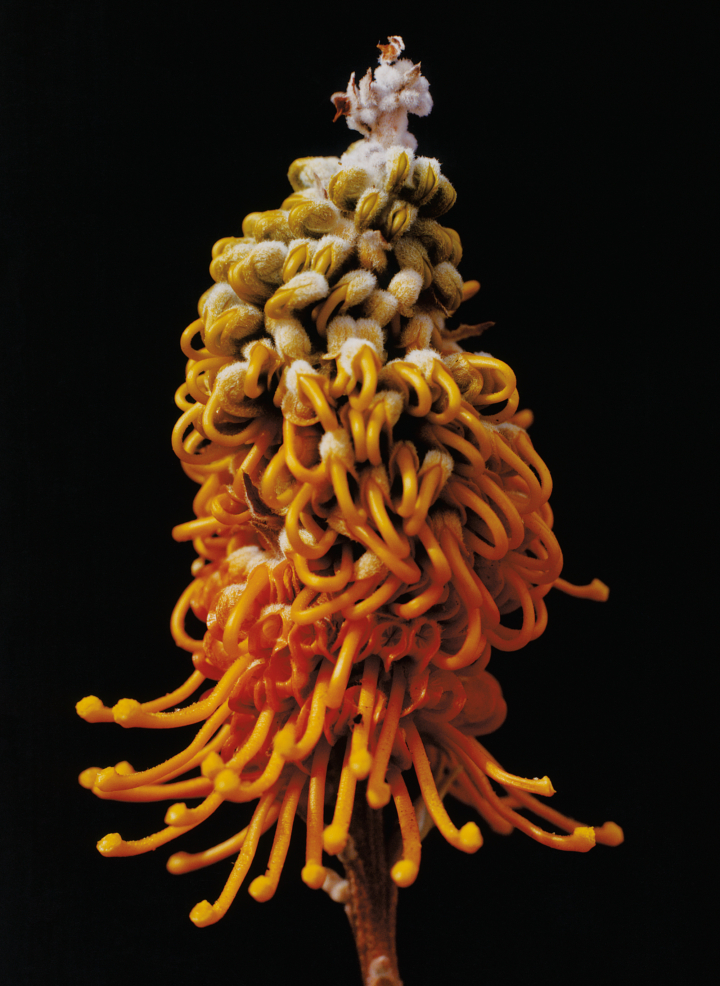
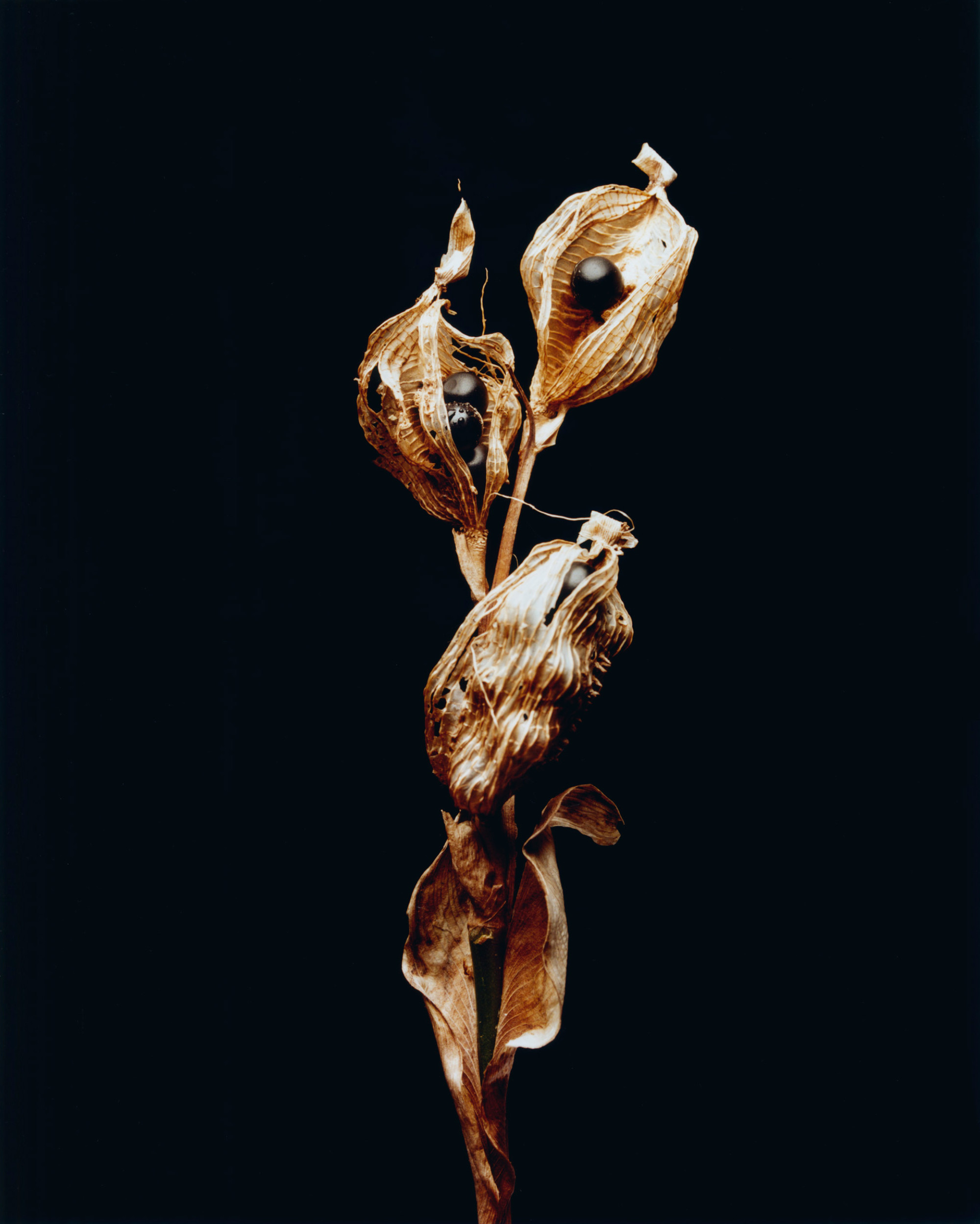
Photograph by Charles Negre
To never miss an episode of The Nature Of, be sure to follow here.
What if remembering we will die is what teaches us how to live? In this episode of The Nature Of, Willow is joined by death doula and New York Times bestselling author, Alua Arthur, to explore how reflecting on our mortality can reshape the way we live. Together, they consider what shifts when we stop looking away, and how that awareness can deepen love and bring our choices into focus. This conversation is a meditation on grief, transformation, and the fierce tenderness of being alive for a limited time.
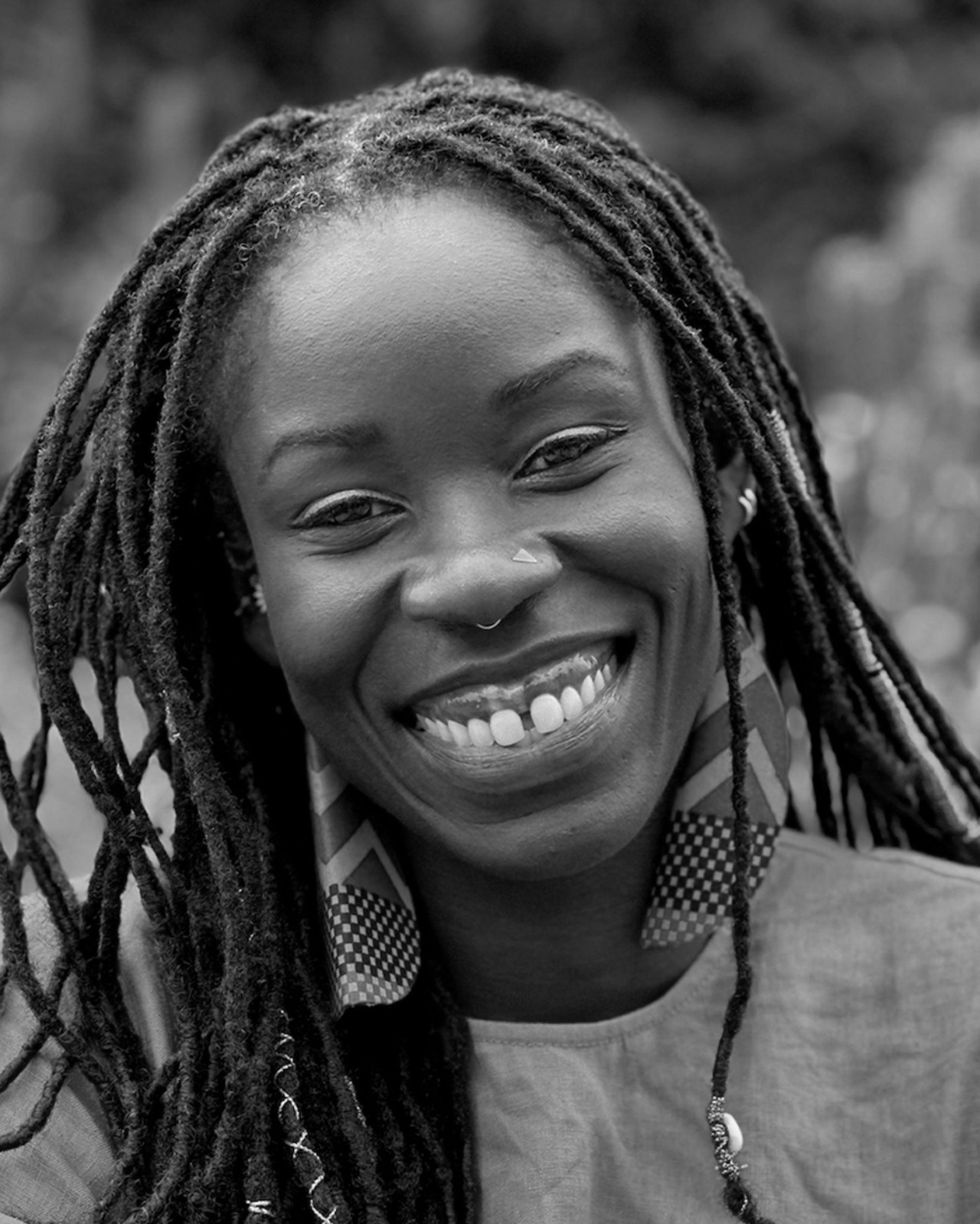
Alua Arthur is the most visible death doula in the world today. A New York Times bestselling author, TIME100 Health honoree, and the founder of Going with Grace, Alua and her team have trained almost 3000 death doulas in 58 countries, helped thousands of healthy folks learn from their mortality, and supported families as they plan the exit of a beloved member. A self proclaimed recovering attorney, she’s become the go-to death educator, having been featured on Disney’s docu-series Limitless featuring Chris Hemsworth, CBS Mornings, ABC News, and in The New York Times, the LA Times and Vogue among countless other publications. Her TED Talk entitled “Why Thinking About Death Helps You Live a Better Life,” has been viewed millions of times sparking global conversations about dying well, and her NYT bestselling debut book, BRIEFLY PERFECTLY HUMAN: Making an Authentic Life by Getting Real About the End, earned spots on multiple “best of lists” and the ultimate blessing in her mom’s eyes: a “Gayle Recommends” seal from Oprah’s Book Club.
With heart, humor, and a likely innocent question in casual conversation or from the stage which will make you live with more intention, Alua is on a mission to make death less feared, more talked about—and maybe even a little inspiring.
Alua Arthur
Without death, there’s no context for life. Without death, life is just this amorphous, going on forever experience that we don’t have any parameters around, so death gives all of life its meaning. It creates the big bucket for life to live in. And without it, we got nothing.
Narration
When you hear the words “death doula,” you might picture someone who’s overly serious, dressed in all black, and very somber. Alua Arthur is pretty much the opposite. She is a warm, radiant light, and every time I get to speak with her, I am struck by the reverence, and wisdom, and even humor she brings to conversations about death. But, as she points out, it’s what we all have in common. Everyone and everything that has ever lived has also died, or one day will.
Alua
As long as humans have been living, other humans have been dying, and other people have been supporting them through it. It is catastrophic—largely, probably in your life—like a big, big, big, big, big deal, and it’s designed to be that way. Billions have done it.
Narration
I’m Willow Defebaugh, and this is The Nature Of, where we look to the nature of our world for wisdom and ideas that change the way we live. This week I’m sitting down with death doula and bestselling author, Alua Arthur, to discuss her new book, Briefly Perfectly Human, and how reflecting on our mortality is an invitation to live more deeply.
Willow Defebaugh
Alua!
Alua
Hi, at long last.
Willow
At long last. I should have said, by the way, New York Times bestselling author, Alua. Congratulations.
Alua
Thanks. How weird.
Willow
It’s very exciting.
Alua
Yeah, it’s pretty cool. But, it’s still very bizarre.
Willow
Yeah, I’m sure. For anyone who’s tuning in, and learning about you for the first time, can you share exactly what is a death doula?
Alua
Sure. I am a death doula. A death doula is a non-medical care and support person for the dying person, and their circle of support through the process. Death doulas do a number of things. We handle a lot of the emotional, and practical, and psychospiritual support for the dying person and their circle. When people are healthy, we can also help them complete comprehensive, end-of-life plans, and think through their relationship with their mortality, work through any of their fears of death.
When people know what they’re going to be dying of, we can support them in creating really ideal deaths for themselves under the circumstances. And then, after a death, we can help their family members, or the people that are tasked with carrying out their affairs after they die, we can help them wrap them up in a way so that they’re not under the weight of tremendous bureaucracy while also in their grief. And then, we can do some additional grief support after the fact. But so, we offer just full scale death support, essentially, for no matter what it looks like to that person.
Willow
I’m so excited to dive into the weeds more, and hear a little bit. But, before we go there, what is your relationship with nature, and how does it inform your work as a death doula?
Alua
It’s a complex question, but I’ll put it this way: I teach death doulas, also, at going with grace. And one of the exercises in the course is a nature observation exercise, where I ask folks for 15 minutes just to sit and observe nature, and notice what they see as thriving, living things that are maybe weeks or days from death; things that are days to minutes from death; things that are dying, actively dying, and things that are dead. And I’ve taught this course now for about seven years. There was a period of time where we were in the pandemic and COVID, and inside, and folks would say all the time, well, I can’t observe nature, I can’t be with nature because I can’t go outside. And my constant response was, well, you can observe nature wherever you are.
Look in your fridge, just really, you’ll find the bag of spinach that’s been sitting there a few days too long that’s got to go. That you can see how dying is occurring in that bag of spinach. And then, this one also always wallops them. When I ask whether or not they consider their bodies themselves as part of nature, because we are nature itself. We are nature. Nature is as nature does, and we are of the nature to die. I am nature. That’s my relationship with nature, is me. I’m it. We are one. We’re it. This is happening all here. Nothing in nature has ever not died. Every single last thing dies except for Styrofoam, everything, everything else.
Willow
Unfortunately.
Alua
Unfortunately, unfortunately. Even stainless steel after a while will degrade and erode, so everything is nature. I am nature, and all will die.
Willow
I had an interview once with the author, Richard Powers, and he put it to me that death is the greatest invention of life, because it keeps itself going. And it is really interesting how we create this binary as opposed to seeing death as part of the living process and organism of the earth, keeping itself going and whole.
Alua
Yeah, we’re living all the way until we’re dead. It’s hard to determine where that line actually exists. I asked Google one time when we begin to die, because I was curious. I couldn’t come up with anything myself that really worked. And Google says 25 years old. I thought that was really funny, because according to Google, it’s when the number of dying cells outnumber the number of living cells in the body, and that’s when your eventual slowly dying decline begins. But, Google, what about the people that die before 25, you know?
Willow
Yep.
Alua
What about those that die in utero? What about the stillborn? What about those that are 110? There’s no clear delineation about when dying begins, such that living is ending. It’s all happening concurrently. It’s all just happening all the time within us. There are dying and dead things all over me at this moment. My hair, my teeth, my nails, the skin cells, I am dying. I’m also very much thriving and living. We’re just feeding each other constantly.
Willow
I think about that a lot when I look at ecosystems. When you look at a forest, we refer to a forest almost as this singular entity, this organism. And in reality, it’s made up of so many different organisms, and there’s things within the forest that are living, and dying, and then it is all part of the health of the forest, and you can’t really disentangle where it starts and where it ends. And one of my favorite things walking through a forest is seeing nurse logs, which are fallen trees that have become logs that now new plant life sprout from. I mean, stunning.
Alua
Beautiful, so poetic. One of my favorite things about the forest is moss.
Willow
Yeah.
Alua
Oh, it’s so fun. It’s so beautiful, and I love just the different colors when you look at moss, and you see the so dark, dark, dark, the things that are probably dying or dead. And then, you can see the brand new, and the bright greens, and it’s just … Moss is just magic. I love a forest.
Willow
Something that really emerges for me when I engage with your work is the idea that when we run from death, we run from life, or when we avoid death, we avoid life. And I’m curious, when did you personally arrive at that realization?
Alua
It becomes more clear every day, honestly. But, what happened for me is that I’d spent most of my life not really thinking about it. I was 34 years old the very first time there was a major death in my family. And up until then, death had been a concept, a construct that existed out there. Even though I’d played around with the idea in undergrad and philosophy classes, I certainly knew people died. I was raised an Evangelical Christian. We talked a lot about death in that context. But, I never thought of it as a personal thing that had any value for me until after about a decade practicing law at Legal Aid.
I got desperately depressed, and took a trip to Cuba where I met a fellow traveler on the bus, and her and I spent our entire bus ride talking about mortality, about hers in particular, because she had uterine cancer. And that whole ride just became all about looking at death in the face, sitting with her while she grappled with these really big questions about her life, questions that I asked, I asked questions of myself too, and started to wonder what would’ve been made of my life if my death came as a result of my disease. And it forced me to start really thinking about life, because without death, there’s no context for life. Without death, life is just this amorphous, going on forever experience that we don’t have any parameters around, so death gives all of life its meaning. It creates a big bucket for life to live in. And without it, we got nothing really.
Willow
You have this beautiful line in your book where you talk about death as a seed, and I’m curious what you have observed sprouts from people starting to reflect on death and their mortality.
Alua
I think the most juicy part of it is that life sprouts when we think about death. In all ways, people start to think about their accomplishments. They think about what mark they’ll leave on the planet after they die, both physical, relational, ecologically. They start to think about who they’ve been while they’ve been here, and how they’ve trod upon the earth. People think very deeply about their relationships, about who they’re journeying with while they’re living, and what still remains to be said or done, or acted upon in those relationships.
People think about their body, and the relationship to their body, how they’ve used it during the time that they’ve been alive. What sprouts is, is an opportunity to really engage with living, to look at who I’ve been during the time I’ve been alive, so that by the time I reach my end, perhaps I can reach it, having fully lived out this life, watching that seed just sprout into this really beautiful field of wildflowers so that my death feels like finally resting in that field of wildflowers.
Willow
That’s a beautiful visual. There was a time in my life, really, I think it was in my late 20s, I was afraid of many things. I had anxiety. Anxiety was very present for me at that point in my life, and a lot of it was manifesting around a fear of death. And what I actually came to was understanding that I was afraid of dying without really living authentically, and it was actually my transition that really changed my relationship with death, because suddenly living in a way that felt more authentic to me, death stopped being so scary, because it was something that no longer felt like erasing the possibility of being who I wanted to be.
Alua
Yes, boo. That’s exactly it. It’s when I’m like, oh, shit, one day I’ll die, then I have the opportunity, the option to choose into my life exactly as I want it to be.
Willow
Yeah.
Alua
I’m going to be the only person there who I have to reconcile my life with while I’m dying. It’s a one-on-one experience. I have to think about all the choices I made, the ways that I showed up, what I wore, what I ate, how I expressed, where I went to work, how I went to work, how I showed up, me on me. And if me is not pleased with what me is doing right now, then me got a chance to change it before I get there, and it’s too late to change it. But, that what you just said is such a perfect example of what death creates for us. Also, greater authenticity, like a chance to just express as I am.
Another thing that I really love about how we think about death is that each human has its unique humanhood. You could put those 46 chromosomes together an infinite number of ways, and they show up in an infinite number of ways, and how we show up—even identical twins don’t show up the same. The way I am is a special and unique thing. And so, why would I dim, or quiet, or hide parts of that to the extent that I can safely express those, but why would I dim or quiet any parts of that? This is how I show up, and let me do me as best as I can, because one day I won’t be able to.
Willow
Yeah, and that’s where death can be so clarifying, right? It’s like we have this beautiful glimmer of a chance to express that uniqueness that you’re pointing to. And if we avoid really reflecting on that, then there’s maybe less of an invitation, or we’re ignoring an invitation to do that.
Alua
I think many of us ignore it, because I think it’s available, and I think that there’s some awareness of it. There’s just so much else that happens not only in modern life, but I also think in capitalism, in society, that asks us to quiet or distracts us from this ache to be as full as we are. And if we could fully be where we are, that is a real gift that our death brings, but our life does as well.
Willow
It brings about an honesty.
Alua
Major, maybe too honest sometimes.
Willow
I don’t think so.
Alua
I don’t think so either.
Willow
Something I would love for you to speak to a little bit, so in your book, you talk about how you’re often put in this position of being the angel of death, loved ones calling you, and getting you to get someone to accept the fact that they’re dying. And you talk about how really, what you’re trying to orient toward is actually showing up and meeting them where they are. Can you speak to how you approach that and what that process is like?
Alua
It’s so tricky when folks think that their loved ones, first of all, don’t know that they’re dying, or next, that somebody else can convince them that they are. I don’t know when we decided that I had more power over your life than you do, and where I need to tell you something about your life so you can decide that you’re going to do it yourself. Why do we take away that agency from each individual, particularly when it comes to something as big as their mortality?
It’s wild to me. I’m going to tell you a quick story. Here’s a guy, I got called by this family. They wanted some support to start the conversation about death with their brother/nephew who they thought was dying. He’d been getting treated for a while, but the treatment wasn’t working, and nobody had said he’s dying. And so, they thought that they needed to start having the conversation with him so that he could start preparing, and they could start preparing, OK? And they called me in, and they didn’t want me to say anything about what my title was, because they thought it might be really jarring for him to hear death doula. And so, they made up some nonsense about what my title would be, and I agreed, even though I typically don’t, but I did. They said, “Just please don’t tell him that he’s dying, OK?” And I said, “OK.”
I go in the room with him, finally, we get a moment to ourselves, and we start chatting, and he asked me what I’m doing there, and I’m trying to fumble and come up with some nonsense. And then, he said, “Well, I think I’m dying, but please don’t tell them that I’m dying.”
Willow
Oh, right.
Alua
And this is not rare—people just not being on the same page about it. I think that many of us know when we’re dying, I think we know that the time is coming, and either through disengagement with our intuition, or ego, or just hope not wanting to die, we try really, really hard to resist that reality. And my job, the way I see it, is just to create a safe and open enough container for people to come into that themselves, or to be able to speak it. I could not convince somebody that they’re dying if I wanted to. I wouldn’t want to, anyway. I want them to do their life the way that they feel until it’s time, and then when they’re ready, they’ll get there. And some people never do, but the vast majority do. Now, let me just be a loving and safe container for that to happen.
Willow
It seems like you approach each person and each story with a real sense of curiosity of meeting what needs to happen in that moment, what they need, as opposed to coming in with any kind of agenda, yours or someone else’s.
Alua
I think so. I like to think so, but I’m also just really nosy, and that helps, you know what I mean? I’m like, “So tell me about that,” and I mean it. I find humans endlessly fascinating. I think we’re just so complex, and so weird, and so wonderful.
Willow
What are some of the common themes, fears, or questions that come up when people are dying? I know in the book you spoke to three questions in particular, which I found to be so illuminating.
Alua
Yeah. Well, mostly when it comes to people’s relationships, they think often about who they loved, how they loved, like how they express their love, and whether or not they were loved by people. They think about those three things a lot and talk about them a lot. Just relationships seem to take center when we’re in the presence of dying, like people really thinking about how they were as a fellow human with the people that they journeyed with, how they loved, how they showed up in love, how love was expressed through them while they were alive.
People are also often thinking about their regrets, but thinking more about the things they didn’t do as opposed to the things that they did do, the chances that they didn’t take, the things that they wished that they would’ve done, as opposed to the things that they did, and maybe didn’t turn out as great as they would’ve wanted to. Most of the time that’s met with a whoopsie. And that’s, I think, a more gentle place to be in as opposed to a I wish I would have, and the opportunity is long since gone.
Willow
Those questions of who loved me, who did I love, and how did I love mean, so telling that love is really what comes up.
Alua
What else are we doing here?
Willow
Yeah, truly.
Alua
You know, what else is up? It’s not taxes.
Willow
Yeah. I know, but you know what? I was having a conversation with someone very dear to me recently, and they were really in the mires of their depression, and they were saying that they just felt like a waste of carbon, because they hadn’t accomplished anything. And I was just so struck by how much weight was placed on accomplishment. And I was just talking to this person. I was like, you have so much love in your life. What could be more of a beautiful use of carbon than to love?
Alua
Yeah, depression is just such a liar. It’s such a liar. It’ll lie to you about who you are, or your value on life, or I just—I’ve danced a lot with depression in my life, and a major depressive episode is part of what brought me to death care, and I’m so grateful for it. For years, I wouldn’t have been able to say that, but now I feel grateful for that period of time in my life, because everything else fell away, and I listened to the lies that depression was telling me about who I was and the value that I added. And only through deeply considering my mortality was I able to crawl myself up out of that place, just fight to get out of it.
Willow
And a psychedelic trip from what I remember.
Alua
And the psychedelic, yeah.
Willow
Yeah, I relate to that too. Working with psychedelics helped pull me out of … It really helped me through my transition, and I had this vision of me burying myself, and this was before my transition, or right on the cusp, and then I had this vision of myself, and what was really wild was it was me as I am today. But, this was before, and the wildest journey in my life was then watching myself change over years to look like that person that I saw or was seeing. But, the death part of it was so integral to me, the act of burying myself, and I returned to it. I returned to it often. That death moment, like reaching the sort of crucible, it was so needed for me to break through my particular incarnation of depression.
Alua
I have not only goosebumps, but a few tears in my eyes, because, baby, it’s so clear, somebody had to die. Somebody had to die so that this beauty could be born, just beautiful. Thank you.
Willow
I think there is something in there that is wrapped up for me into why this country is so afraid of trans people. The idea that there is something about it that’s connected to me of a fear of death, and a fear of change, it’s so connected in my eyes.
Alua
That’s pretty powerful. I also think about dead names. We call them dead names.
Willow
Mm-hmm, never thought about that. That’s right.
Alua
It’s dead.
Willow
Bye.
Alua
Bye.
Willow
Something I wanted to invite you to speak to a little bit is I would imagine a lot of people have an idea of what a calm, or peaceful, or good death is, when in actuality, I think for anyone who has lost a loved one, there’s so much around death that is messy, and how do you shepherd people through those expectations?
Alua
Sometimes when we talk about the good death, it also implies that there is a bad death. It creates this binary, and that you grade it, and then, that’s the grade it gets, and that’s where it stuck. I want us to try to remove the binary from it, and maybe remove the value judgment from it, which is why I prefer the standard, the most ideal death under the circumstances. I do not at all want to discount the fact that there are a number of deaths that I think patently we would think of as bad, violent, anything involving brutality, overdoses. And for every death that I can conceive of that I can think of as bad, for some, they could see the good in it, because perhaps it was an end to pain—
Willow
Right.
Alua
—or something of the sort for the person who they loved. People consider the good death as one where you get to die, and at an age where your body still feels, OK, it’s not totally painful, so maybe you’re not really, really old, or you don’t have any major diseases, or anything that limits your life in any real way where you are surrounded by people who love you. All your affairs are neatly in order, and you die with not a hint of pain, in your sleep, and you go so gently into that good night. And yet, there are also people I know that would much rather prefer to just get hit by a bus, so they had no awareness that it was coming, that their life was just over in an instant.
Willow
Right.
Alua
It’s just very hard to nail down what a good death could be, which is why we really want to aim for the most ideal death under the circumstances.
Willow
Yeah.
Alua
Yeah.
Willow
I heard you say that earlier in our conversation. I filed it away, because I love that language.
Alua
It’s easier.
Willow
Yeah.
Alua
It’s gentler. It’s—let’s say 43 years old and lymphoma, like my brother-in-law, Peter. That sucks for all intents and purposes. He was diagnosed and dead in the span of less than six months. That is horrible. Four-year-old daughter recently reconciled with my sister, and ultimately, what would’ve been ideal for him under those circumstances, how do we create what would be most ideal with the lot that we’re given? And let’s aim for that.
Willow
Yeah.
Alua
Yeah.
Willow
Something that’s coming up for me right now is that I would envision that there could be a heavy emotional toll in doing this work. How do you personally protect your heart, and work with boundaries in this practice?
Alua
That’s such a great question. The older I get, and the more I do this work, the more I see that I don’t very well. My heart is perhaps my biggest quality in this work, and so I want it to be wide open. And still, many of us that come to this work are largely empathic beings, and we are very porous. And when we are in this work, so many people, when they find themselves empathic, feel like they know what somebody else is feeling, but it’s not a place that is useful in death work. It has to say, rather, I may not know exactly what you’re feeling, but rather I’m just going to be here with you.
But, in order to do that, I have to recognize that there’s an edge and a boundary to my body, and not make myself so porous so that I can actually show up for somebody exactly where they are. There’s a number of rituals I’ve developed for myself around water. Anything involving the elements really work very, very well for me, because nature, yellow, we love it. But, I take baths often when I get back from being with somebody. And then, I’ll often just watch the water drain, to watch it wash away what does not belong to me anymore, so that I am only left carrying what actually belongs to me. I’ll take a lot of it in, I’ll take a lot of it on. But, at some point we have to put it down, so the constant recognition of the need to put it down, I think is helpful. The practicing of that is helpful. But, I grieve a lot. I grieve, I’m constantly grieving, but I think most of us are.
Willow
Yeah.
Alua
I think most of us on Earth are grieving a lot, anyway. I maybe am just a little bit more open to an understanding of what I’m grieving consistently, because I’m grieving with my clients, I’m grieving for my clients, I’m grieving for myself, and so being in practice of honoring my grief is also supportive in the work.
Willow
When you see someone who is, perhaps you can energetically identify that they’re holding grief that maybe they’re not accessing, how do you approach that situation? Do you try to help them access their grief, or do you approach it in a similar way of just meeting them where they are? And I’m not talking specifically about someone who may be going through a process of dying, but perhaps loved ones or caretakers.
Alua
Yeah, I think it’s a similar type of thing in terms of just creating a container where grief can be expressed.
Willow
OK.
Alua
But, one different element is I will often name it. If I see it, and it hasn’t been located in the space, I will locate it. I think naming it creates a lot of relief around it, and maybe a way to engage with it as opposed to being victim to it. Do you see what I mean?
Willow
And permission?
Alua
Yeah, a lot of permission just to be in the grief, and not have questions about why I’m feeling this way, or why I’m acting this way. I think it’s also important that we’re clear on what the different expressions of grief can look like, because they look like a lot of different things, a lot of different things. And for me, for a while, I did not understand anger as an expression of grief. I understood it as one of the stages of grief written by Elisabeth Kubler-Ross, but those stages of grief were written to support people, to honor the dying experience itself, and not for the people that lived afterward. It was just for the people that were dying, and then it got co-opted to describe the grief experience for the people that lived afterward.
Willow
Wow, that’s fascinating. I didn’t know that.
Alua
Isn’t it? Yeah, it wasn’t for the grievers, it’s not for the living. It was for the people that were dying. She used it to describe the hospice patients, and we just took it. It’s why it’s not linear at all, which is why people think, oh, you move through all of them, you get to acceptance, and ta-da, I’m good. But then, you’re angry the next day, and you’re like, why am I pissed? I thought I made it through all the stages. Because it wasn’t meant for you, baby. It was meant for the person who was dying, OK?
Years ago, I was with a client’s son. She had just died, and he kicked a chair. He punched the door. I was so deeply activated by his anger. I don’t do white male anger very well, not a bit. I left the room. In retrospect, had it been available to me and my nervous system, I likely would have maybe just stepped away for a while, and then come back in to identify that his anger was an expression of his grief, as opposed to just get terrified by it. I knew it somewhere in my body, but I was too scared to do anything about it at the time.
Willow
You write that death requires rings of support like in a tree trunk. How do we go about creating more community around death and making it less of an isolating or isolated experience?
Alua
We got to talk about it. We have to talk about it. We have to bring it out of the shadows. We have to stop whispering death. We need to talk about what’s happening. We need to not run from it. We need to be present with it. We need to speak about it, for starters, and then by speaking about it, that creates the opportunity for us to have some support around it. But, if nobody knows that you’re suffering, if nobody knows that you’re grieving, if nobody knows that your dad has been struggling with this disease for years, and it looks like he’s nearing his end stages, then how will anybody know to support you?
I learned in my death doula training this idea of a soft front, strong back, and it comes from Joan Halifax where she kept saying, that idea has stuck with me in this work as well, because I get to be that for my clients. But then, I also need a soft front, and my community forms that soft front for me. Then they are also the strong back behind me. And I think that’s how the circles of support can also show up when it comes to people that are dying, that the people that are closest to, can get the soft fronts to rest upon. And then, it keeps going out, and out, and outward. But first, we’ve got to be able to talk about the fact that somebody is dying, and how it feels.
Willow
And it connects to so many aspects of our society and culture. Something that has always stuck with me, I took this incredible class in journalism school on writing obituaries. And if there’s one thing that stuck with me, it was my professor saying that as journalists, it is our sacred duty to never shy away from saying that someone died, that there is often, you feel even when you go to write that you should write passed away, or is no longer with us, and I’m not making any of those things wrong. But that, as journalists, we shouldn’t be part of upholding a myth or an idea that death is something that we don’t talk about. And I really loved that, and I’ve carried it with me throughout my whole career.
Alua
Thank you. This professor of yours, what a great job, they did.
Willow
Really?
Alua
Yeah, because all the euphemisms just hide the obscure of what’s actually occurring, and that perpetuates our death avoidance. We’re actually avoiding the word death by calling it something else. I’ve heard some ridiculous ones over the years. They’re so funny to me sometimes.
Willow
What’s the most ridiculous one you’ve heard?
Alua
Popped his clogs.
Willow
What?
Alua
Yeah, it’s British.
Willow
What?
Alua
My husband is British, popped his clogs. It means they died.
Willow
Did your husband say that?
Alua
I think he did one day, and I was like, “What on God’s green Earth? Popped his clogs.
Willow
We need to talk.
Alua
We need to talk, baby.
Willow
Wow.
Alua
Popped his clogs, isn’t that funny?
Willow
OK.
Alua
There’s so many of them that are just absurd. And I wish that we could just say it more consistently, and I think about a culture that has found 500, 1,000 euphemisms for the one thing that we will all experience in our lives. Did you write your own obituary in this class?
Willow
No, but now I’m wondering why we didn’t.
Alua
Yeah.
Willow
Let me just tell you, you just gave me a great journaling assignment. I will absolutely be doing that.
Alua
Let me know how it goes.
Willow
I will. Because something that you speak about, or point out in your book, is the fact that many people, many people listening to this conversation, will likely be a death doula for someone at some point if they have not already. What advice do you have for someone who’s maybe in that role right now, or preparing to be in that role?
Alua
Be gentle with yourself, please. This is a hard task, especially for folks that are also caregiving in a serious capacity if they’ve been caregiving for a while. Doula work is a role that many of us have. We’ve already inhabited it most of us in our lives when we are with our friends, when they’re in the middle of a breakup, or folks when they’re in transition of some sort. As we sit with people, as we hold that space for them without trying to fix, or judge, or make it better for them somehow, but when we can just be with people as they are, we’re practicing the doula work.
I’d also suggest that if possible, to the extent possible, that they also do a little bit of work on their own relationship with mortality, because they may be unknowingly clouding the space between them and the person that they seek to support with their own fears of death. And so, if we can just pause for a second and think, what am I afraid of, or what is this death teaching me about my own death, what am I afraid of in this death, it might help us so that we’re not just doing what it is that we want, but rather giving them the space to have what they want. That’s a really key thing, and it’s tough work. It’s tough work when everything sunflowers and butterflies. It’s even tougher work when somebody you love is ill or dying. I’d also say seek out additional support if possible. If you can find an active practicing death doula, that would be amazing, somebody to get some additional support from.
But lastly, billions of people have sat in this role before, billions. As long as humans have been living, other humans have been dying, and other people have been supporting them through it. It is catastrophic, largely, probably in your life, like a big, big, big, big, big deal, and it’s designed to be that way, and billions have done it. You’ll be safe the entire time. They will be safe the entire time. You can’t do anything wrong, using air quotes around the word wrong. You can’t do anything wrong. Just do the best that you can to show up for them, and their needs, and their dying, and not your own.
Willow
The reframe, understanding that billions of people have been in this role, it actually immediately puts you in a perspective that this is ancient knowledge. This is as old as humanity.
Alua
Truly. As long as humans have been living, all the way back, they’ve also been dying, and me dying community. Just like we live in community, we’re moving away from those traditional structures of community, but still happening the way that it’s been happening for always, we’ve been doing this work. We all know how to do this work. We all know how to die, and I think we all know how to support other people through it. Part of what we teach in doula training is the remembering of that, remembering the things that we already know how to do, which is to care for our fellow human.
Willow
And for anyone who maybe hasn’t had someone close to them die, but knows that they will, what is a way that they can start, even a small way they can start engaging with mortality, or even just their own mortality on a regular basis? Do you have a practice that you recommend?
Alua
There are so many practices, potentials, and it depends on your level of comfort with your mortality. If you want to just go straight for the A-plus—
Willow
You know that I do.
Alua
OK, well, let’s start there and then we’ll work our way back—
Willow
OK.
Alua
—is to look yourself in the mirror. Look at your eyeballs in the eyeballs, and look at that thing that’s staring back at you, not looking at your skin, or your hair, or criticizing the lines around your eyes, but looking into your eyes, and repeating to yourself, I am going to die, and say it over, and over, and over, and over, and over again. Poltergeist is not going to come out of the mirror. But, rather, what will happen is that you’ll be directly confronted with the fact that one day, this body of yours will die. That’s a big one. And then, process it. Journal about it. Go for a walk. Sit outside, be in the grass. Just be with what came up for you during that exercise.
Another thing, we talked about your obituary writing. That could be cool to look at your life as a whole. I also suggest the nature observation, but to observe yourself as nature, and think of what is living and dying in your body at this moment. Just to start playing with the idea that one day you’ll die, because one day we shall. I also like this practice of writing a letter to your deathbed self. Writing a letter from the version today to the person that you’ll meet on your deathbed to thank them, to tell them all the things that you want them to know, see what comes up for you in the process.
Willow
Beautiful, beautiful offerings. Something you touch on briefly in the book is talking to children about death, and I’m curious, because we’re talking about the deep underpinnings of our society, and avoiding death, and obviously, it’s a delicate thing. I actually was the one who introduced my little siblings to death, because I had them watch the film Up, and I forgot at the beginning that his wife dies. And so—
Alua
Spoiler alert.
Willow
Yeah, spoiler alert. But, my little siblings were, I think they were 2, or 2 and 3 at the time. And they turned to me and they were like, “Where did she go?” And I was like—
Alua
What did you say?
Willow
Well, I was like, “People live, and then people do die.” And immediately then they were like, “Where do they go?” I was like, “Well, that is a beautiful mystery.” But, I’m curious. Is this a question you receive often? Do you have a way of talking to the children in your life?
Alua
I think you did what we’re supposed to do, which is to say, I don’t know, but not in a way that scares them, but rather in a way that just makes it fine that they don’t understand, because we don’t understand either. When we tell kids fantastical stories about death, we confirm that death is something terrifying, or something that doesn’t make any sense, and that’s not really fair to them. Also, when we give them answers about it, when they eventually have their own questions later on, it’s going to be very confusing. When my brother-in-law was dying, my niece was 4, and she asked me all types of questions. Where is he going to go? Girl, I don’t know. I don’t know. I didn’t say that. But, I said, “Well, something’s happening to his body, and at some point he won’t be here anymore. But then, always, where will he go?
And that’s just a really tough one, because you can’t give a real answer, something that is calming enough to a 4-year-old. She asked me also if I would die one day, and the answer is of course, yes. But, what I said was, I don’t plan to die for a really long time, which was true, which was true. She had asked if he would be able to—oh, if his ears would get really, really big where he was going, and I didn’t understand why. And then, she said, “Well, everybody said that he’s still going to be able to hear me, but he’s going really far away, so his ears must get really big.”
What a 4-year-old’s conceptualization of what happens, right? I think it’s important that we don’t lie to them. We don’t obscure what has happened. We don’t say things like Grandma is sleeping. I chatted with a young man on a plane who was deep in his 30s, and he said from the age of I think 7 until 10, he was terrified to go to sleep at night, because they told him that his grandma fell asleep and she never came back, right?
Willow
Yikes.
Alua
Right. Don’t say things like Grandma is sleeping. Don’t lie, don’t lie, but also avoid telling stories that really aren’t true.
Willow
Right. There’s so much we do to try to know the answer, or to create comfort around knowing the answer, and I feel … I actually think the most joyous, freeing thing that I’m finding being in my mid-30s is all of the things I don’t know. And now, anytime I can surrender to mystery, I’m like, perfect, great. Don’t know that either.
Alua
It takes a lot of pressure off us, doesn’t it?
Willow
It does. It’s freeing.
Alua
Yeah, so much, like I don’t have to know the answers, and it’s something that I try to really hone in on when working with folks that are trying to get the answers to these big questions about lives. And then, also something that comes up a lot for the death doula students is that it’s OK to not know, right? I don’t know. I don’t know very great many things. But, also, none of us really knows anything. I don’t know what’s going to happen in the next minute. My human illusion says that I expect it to go as it’s been going, because that way I can control it in my brain. But, anything could happen at any moment in time. Now, death teaches us that all the time. We can just get present with it.
Willow
It’s interesting, because I think we invest so much in trying to create meaning, and I think there’s this idea that things become less beautiful, or precious if we don’t understand what the meaning is, and that’s something I’ve been really working in trying to dispel in my own life. I had two close friends died by suicide when I was in my early 20s, and I tried to create meaning around it in so many ways, because I was just trying to wrestle with this. And now, I look back, and those experiences shaped my life in a lot of ways, and there was grief, and horror, and pain, and also, beauty and connection that came from those experiences. And I don’t need to understand anything more than about the why, or the, other than just that it was a part of everything in my life, and trying to craft meaning was … It chased me for a long time.
Alua
Yeah. I think it helps us create some order somehow to make it all seem a little less scary and more accessible.
Willow
Yeah.
Alua
And I think sometimes the chase of the meaning distracts us from perhaps just the pain of the thing that actually occurred, because it’s like, if I can make this make sense, if everything happens for a reason, then the reason was this, and that way it’s not so painful, or it can also just really hurt. I’m sure your friends’ suicides really, really, really, really hurt.
Willow
Yeah. You talk about this in relationship with purpose also in the book. What is your relationship to that word right now, purpose and how our search for purpose in relationship to our death can obscure it in a way?
Alua
Sometimes I think our search for purpose is tied to capitalism in some way, that my life has to have some greater point of being here. But often, that point is tied to what I create, or what I produce, and sometimes measured in what I ultimately accomplish as opposed to just the sheer value of my life by virtue of being born and existing. And what if my purpose here were just simply to enjoy this really weird, and wonderful, and so wild, and magical experience of being human?
There are so many, just an infinite number of magical elements. I can think of 40 right now as I’m sitting here talking to you. The fact that you and I are having a conversation, I’m using air quotes around that, because it’s language that we’ve put to me, bringing in air, squeezing air up through for my diaphragm, past my vocal cords, making sounds with my mouth, just a number of sounds with my mouth that somehow either cause an emotion in me, or so that you can then hear, using air quotes, and understand that may cause an emotion in you, and some reaction in you. How is that not just wild? Does that make any sense at all?
And there are an infinite number of those that are happening every single day. What if my purpose was merely to enjoy the experience? That to me feels like a really, really great purpose, to get to be here, and to be in love, and be in awe of the ride that it’s plenty to me.
Willow
Being in awe of the ride.
Alua
It’s really awesome.
Willow
Yeah.
Alua
It’s painful, too, but that’s part of the awe. It’s really awesome.
Willow
It is. I was reflecting the other day on just—I was thinking about worms, and I was really having this moment with myself of just being like, I don’t know that I believe I matter any more or less than a worm. And that is so beautiful and freeing to really sit with, because it’s like, I think we’re so afraid of being small, and I think particularly, as you pointed out in relationship to capitalism, and I think it can be so freeing to just be like, yeah, you know what? I’m here to be a weird, strange, little creature, and to take from my ecosystems, and give to my ecosystems, and being in relationship, and symbiosis, and all of those things, and maybe that’s just so completely more than enough.
Alua
Wouldn’t that be, couldn’t that be? Doesn’t that free us from having to have this big life purpose that also makes us good money, that grants us all the recognition in the world? That just feels like a burden.
Willow
Exhausting.
Alua
Really exhausting, really exhausting. What if for today, I just do the things that I feel good about doing, and I do them well, and I do it in a way that makes me feel good, which to me would be doing them well. I don’t mean some objective like you did good, but do them in a way that feels good to me while I’m here. Now, we still got to pay some bills and got to figure that out in the meantime. But, what if I could just find the awe in all the things that I’m doing? That to me feels great.
Willow
We’re already wading into this, but you write that you believe in miracles. What’s one that you’ve witnessed? I have a feeling that you have 40 million answers to this question. Give me just one.
Alua
So many, 100 million, at least. Your existence, that’s a miracle. I’m witnessing one right now. Yeah, existence itself. The fact that you are here, you’ve journeyed through all the things that you’ve journeyed through in your life. You buried parts yourself. You took invitations to live in your fullness expression, including this. I think this is a blouse. It’s lovely. Everything. The way that you show up right now, that’s a miracle. You are here. It’s a miracle.
Willow
You too.
Alua
Thanks.
Willow
Deeply. I’m very grateful for this conversation.
Alua
Me too. It’s been fun.
Narration
I hope after listening to this conversation, you have a sense of what I was trying to say about Alua making death a much more approachable subject. A few things I’m going to be taking away from this conversation are Alua’s prompts for how we can reflect on our mortality on a daily basis in small ways. I loved her invitation to write our own obituaries, or if you’re looking for something a little bit more intense, staring at yourself directly in the eye, in the mirror, and repeating over and over again that you will die. And also, picturing ourselves on our deathbed, and letting that be clarifying in terms of how we are living today, and what we might want to change.
The Nature Of is an Atmos podcast produced by Jesse Baker and Eric Nuzum of Magnificent Noise. Our production staff includes Emmanuel Hapsis and Sabrina Farhi. Our sound designer is Kristen Moeller. Our executive producers are me, Willow Defebaugh, Theresa Perez, Jake Sargent, and Eric Nuzum. Atmos is a non-profit that seeks to re-enchant people with our shared humanity and the earth through creative storytelling. To support our work or this podcast, see our show notes or visit atmos.earth/biome. That’s A-T-M-O-S.earth/B-I-O-M-E. I’m your host, Willow Defebaugh, and this is The Nature Of.
Join our membership community. Support our work, receive a complimentary subscription to Atmos Magazine, and more.
Death Doula Alua Arthur: Dying Is the Secret to Living