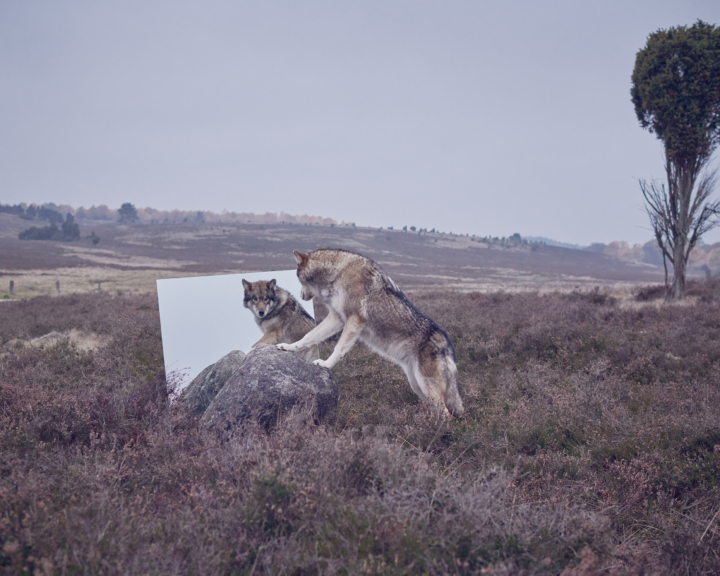
Photograph by Francois Savigny / Nature PL
words by willow defebaugh
“As our human dominance of the world has grown, we have become more isolated, more lonely when we can no longer call out to our neighbors.”
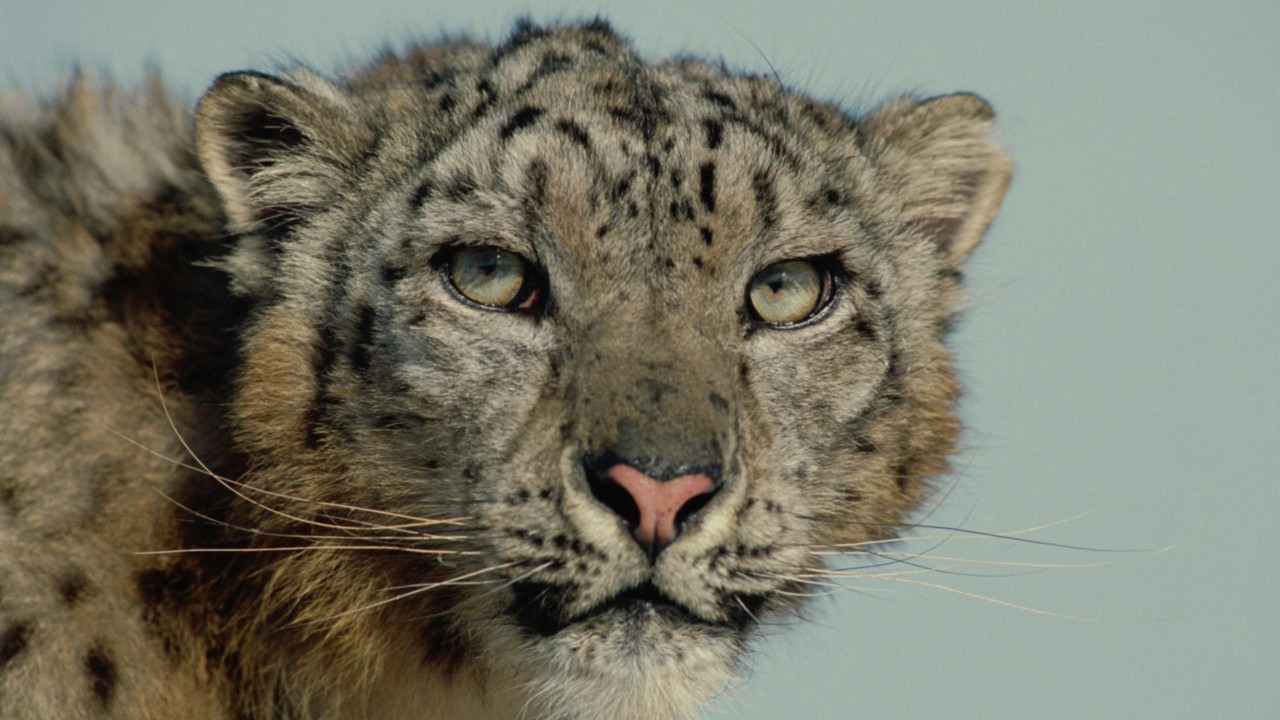
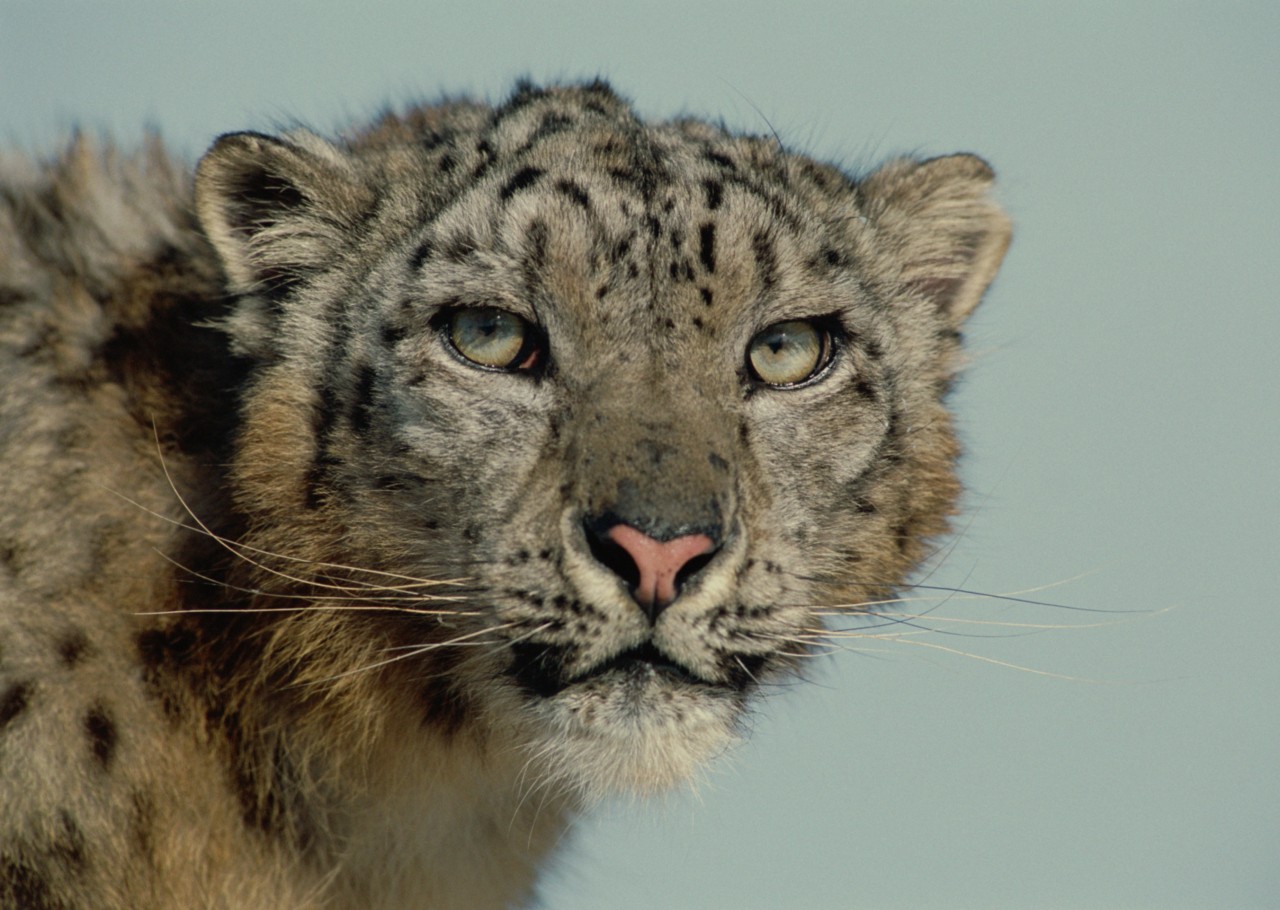
Across the various high mountain regions of Asia, there is a creature so elusive that it’s known as the ghost of the mountains. In part, the snow leopard (Panthera uncia) earned this name because of its spots—the shades of gray and silver that allow it to blend so seamlessly into its snowy and rocky surroundings. But there’s another reason for this moniker: snow leopards live shy and solitary lives. In fact, because they are seldom seen together, no word exists for a group of them.
Beyond their spectral camouflage, snow leopards are built for the mountainous terrains they traverse. Their powerful leg muscles allow them to jump vast distances, as far as 50 feet. Their wide-set paws serve as natural snowshoes, with fur on the bottom that protects them from the rugged ground while still giving them much-needed traction on the snow. In treacherous topography, they can go the distance—and without losing their grip.
Not only are snow leopards reclusive, they take up space. Males need around 80 square miles to roam freely (the size of about three Manhattans), while females need approximately 50 square miles. That’s not to say they go their whole lives without contact; they communicate over long distances, leaving messages in claw marks, scent spreading, and their own waste. Even in the monstrousness of their solitude, the empty expanses around them, they reach for one another.
And snow leopards don’t stay isolated forever. During breeding season, they use their voices in order to find a mate. After breeding, the female will seek out a safe space to have her cubs—usually a sanctuary surrounded by rocks. She will raise a litter of two to three cubs, teaching them to hunt starting at three months. When they are nearly two years old, they are ready to embark on their own lonesome quests and start the cycle anew.
The fact that these ghost cats live at the top of the world only adds to our difficulty tracking them. Snow leopards exist outside the realms we can withstand, but we know they are in trouble. Despite their status as endangered, due to poaching, encroaching human settlements, livestock grazing, and rising global temperatures, their numbers have fallen 20% in the last 20 years. Only 4,000 to 6,500 are estimated to exist in the wild.
Isolation—from one another, and from the other animals that roam the heavens on Earth—may be the greatest threat we face. Loneliness is an epidemic, especially among young people; those aged 16 to 24 report feeling more alone than any other group. And it impacts our health: according to the U.S. Surgeon General, it’s as harmful as smoking 15 cigarettes a day. Despite the specter of connection they promise, social media and smartphones may be to blame.
There is a difference between solitude and loneliness. We all go through periods when we are by ourselves, when it’s up to us to make our own strides and hold on tight, leaving forlorn marks on a frozen world. But there also comes a time when we must reach for each other and let go of the idea that we are alone. The isolation many of us feel is as phantasmal as the snow leopard’s disguise: simply an illusion. We are more than ghosts in the machine.
Join our membership community. Support our work, receive a complimentary subscription to Atmos Magazine, and more.
Ghosts in the Machine