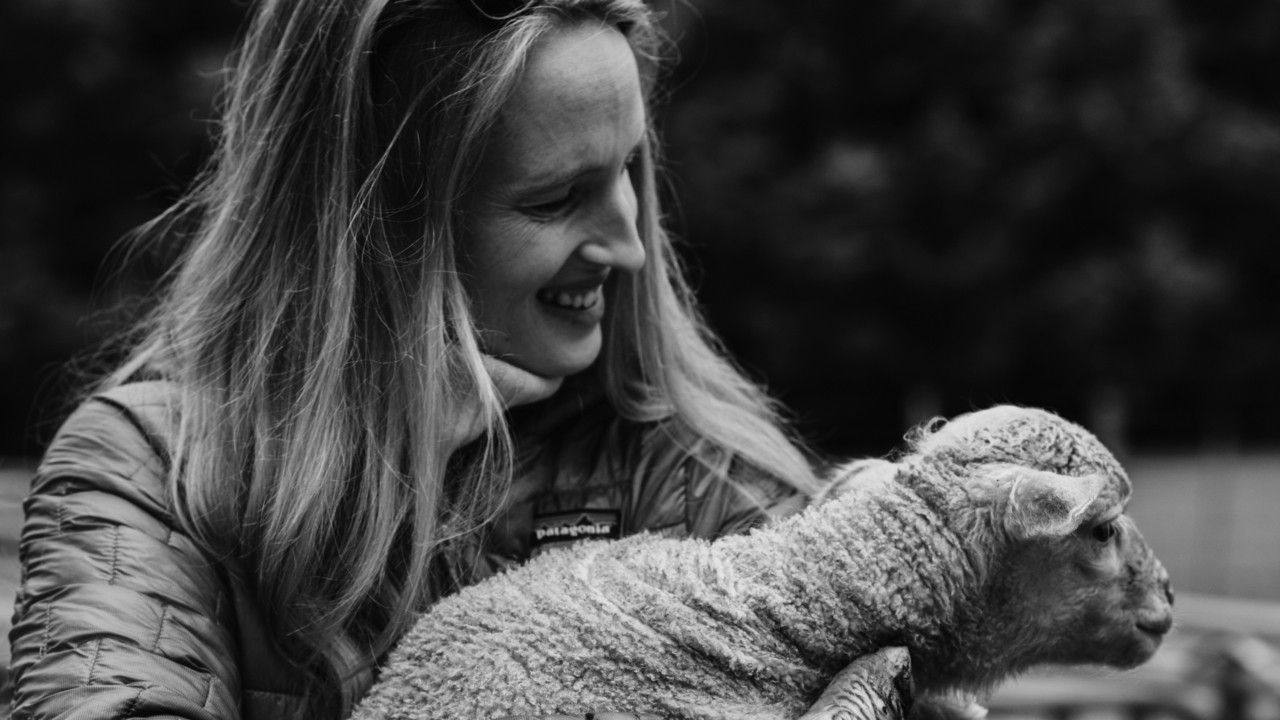
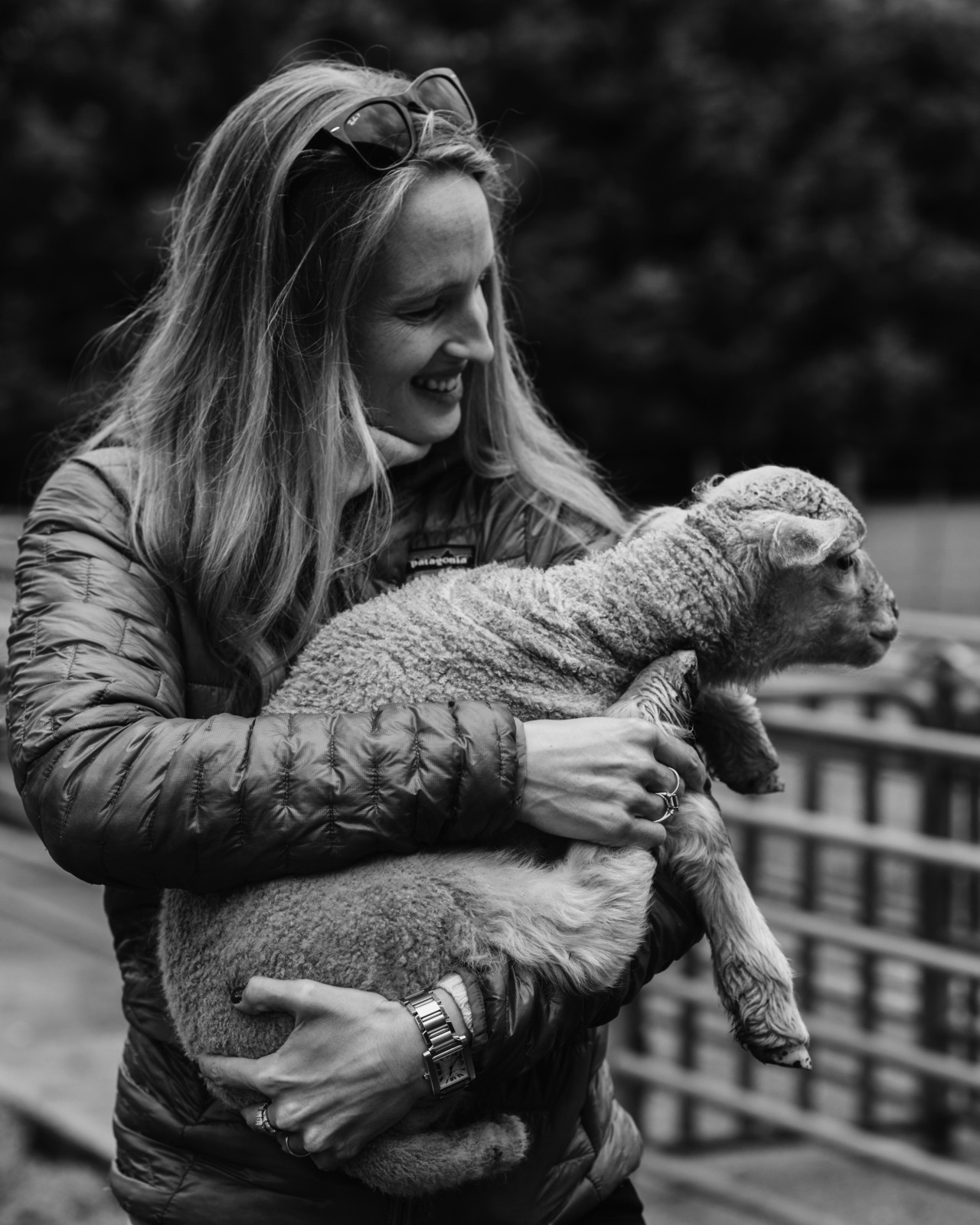
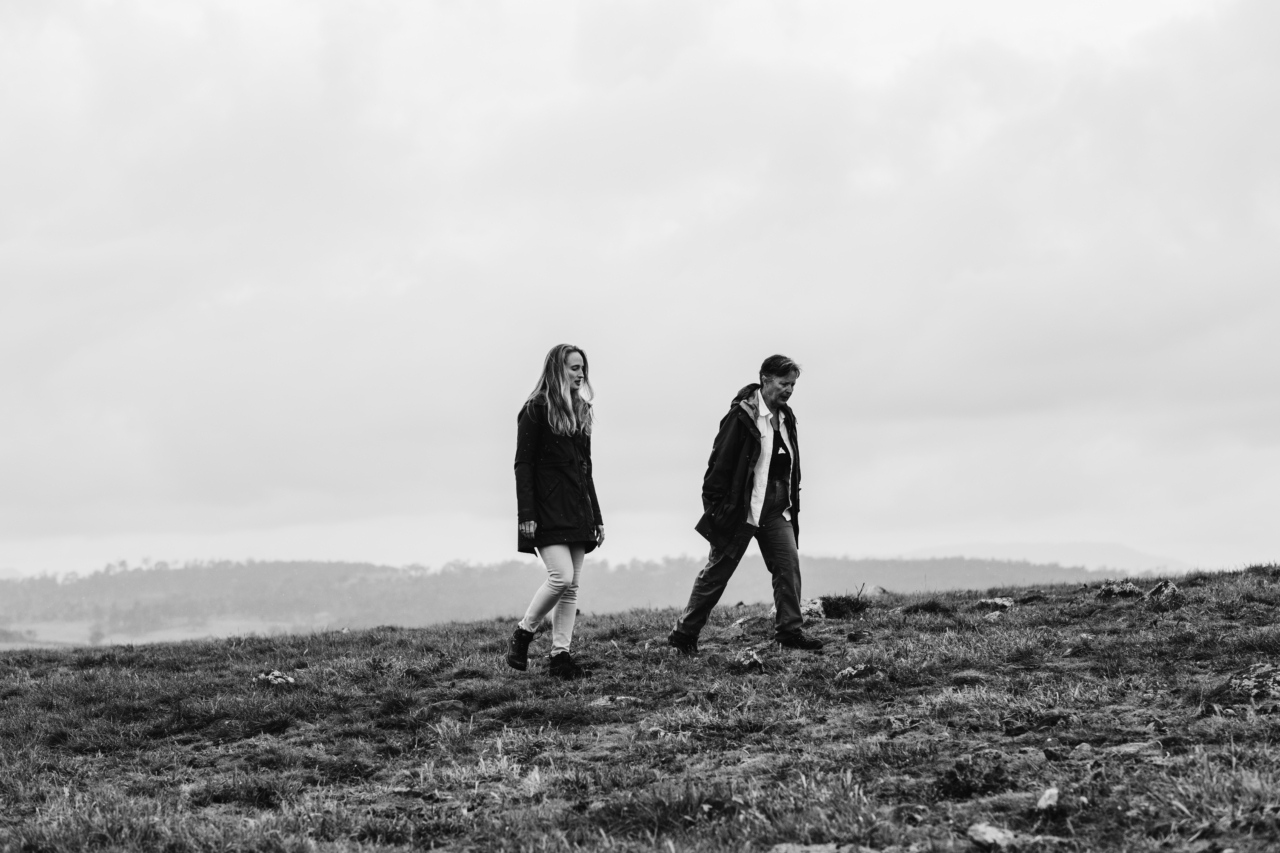
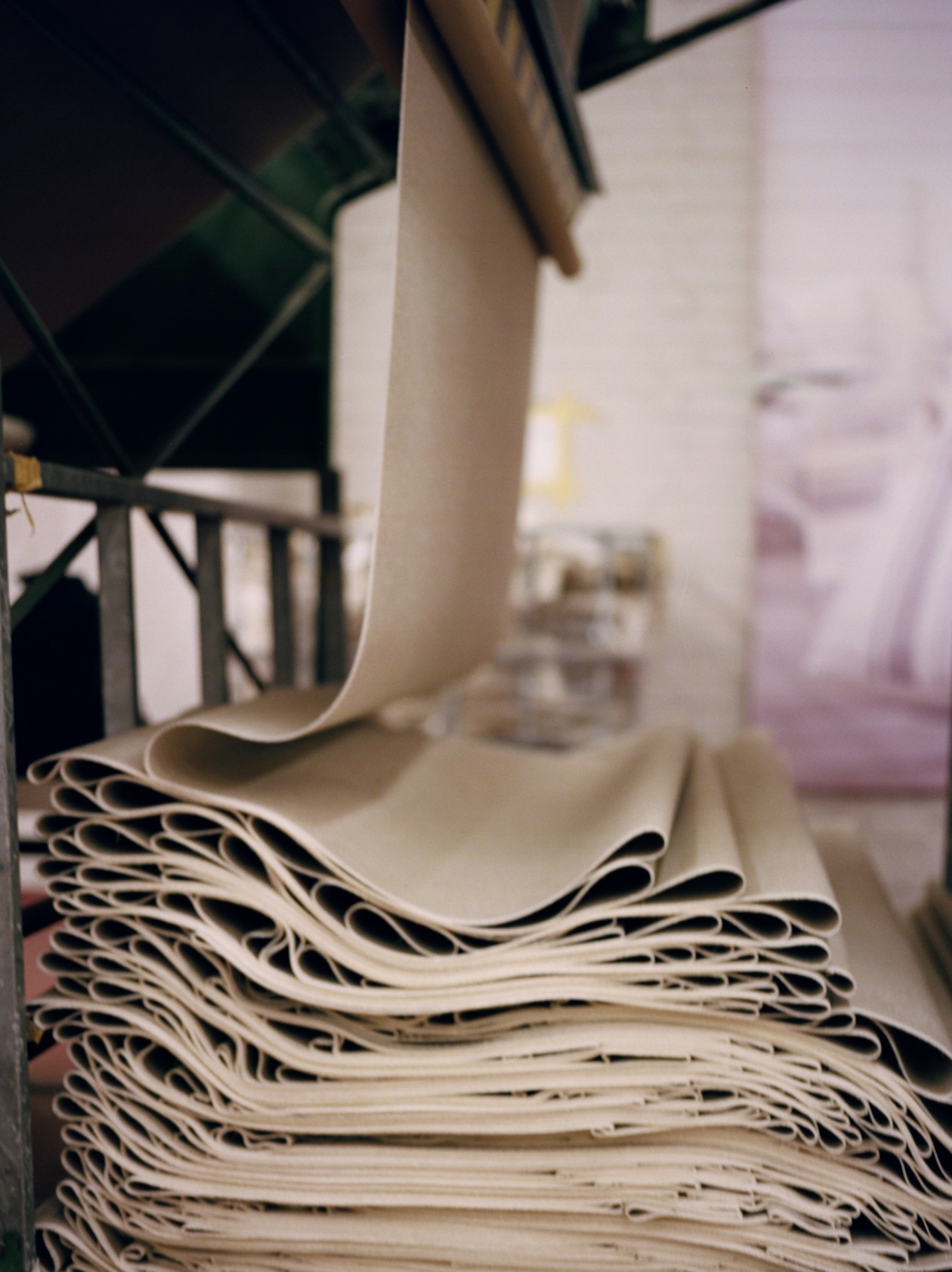
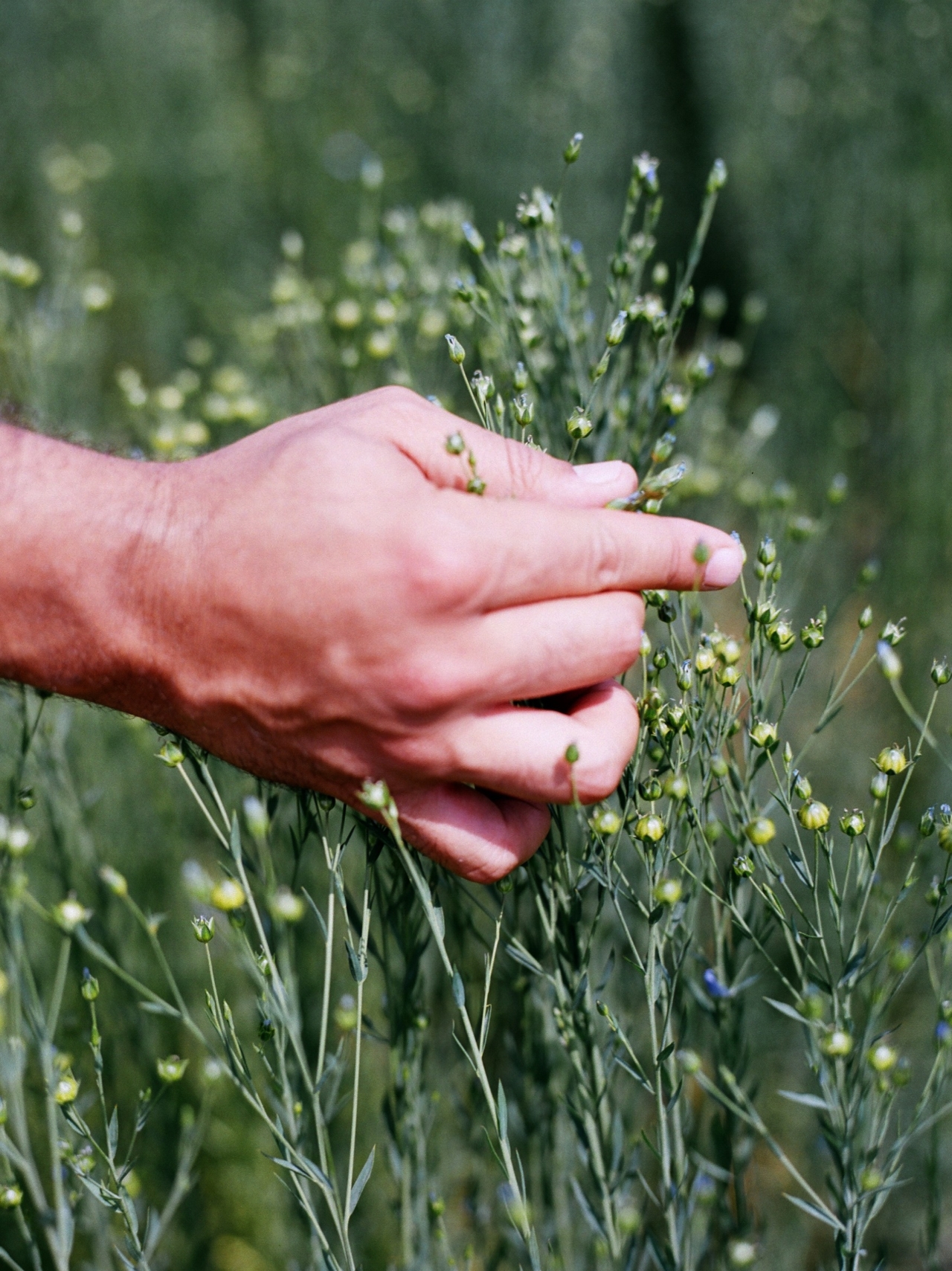
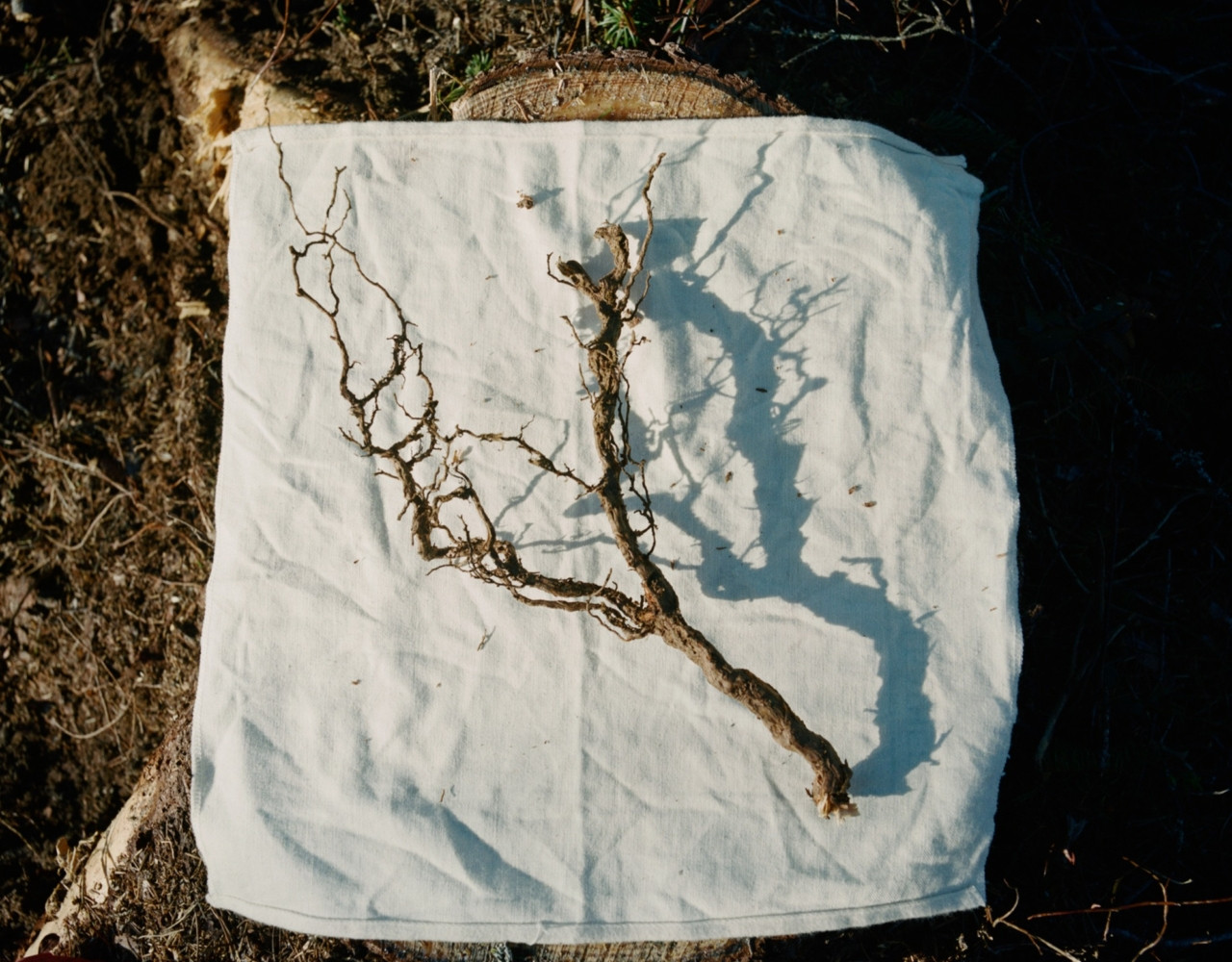
Photographs courtesy of Vanessa Barboni Hallik / Another Tomorrow
interview by theresa perez
Welcome to the first edition of The Long View, a series of interviews between me and industry leaders who are forging regenerative paths in business and society—thinking responsibly across time with a hopeful and grounded vision of what’s possible. My conversation with Vanessa Barboni Hallik is a special one, as it both inspired and inaugurated this series. From the moment we sat down for coffee, I felt Vanessa’s warmth and genuine kindness radiate from her. She emanates this magical combination of elegance and refinement with sincerity and a service-minded attitude. And, obviously she’s a master at her craft, which as you’ll read is a confluence of skills and experience across disciplines. In a fashion industry still searching for proof that another way is possible, what she has created is something rare: a model that exists, is measurable, and is ready to be shared. By the end of this interview, it made perfect sense to me how Another Tomorrow was born and how it’s going to flourish in the future.
– Theresa Perez, Atmos executive director
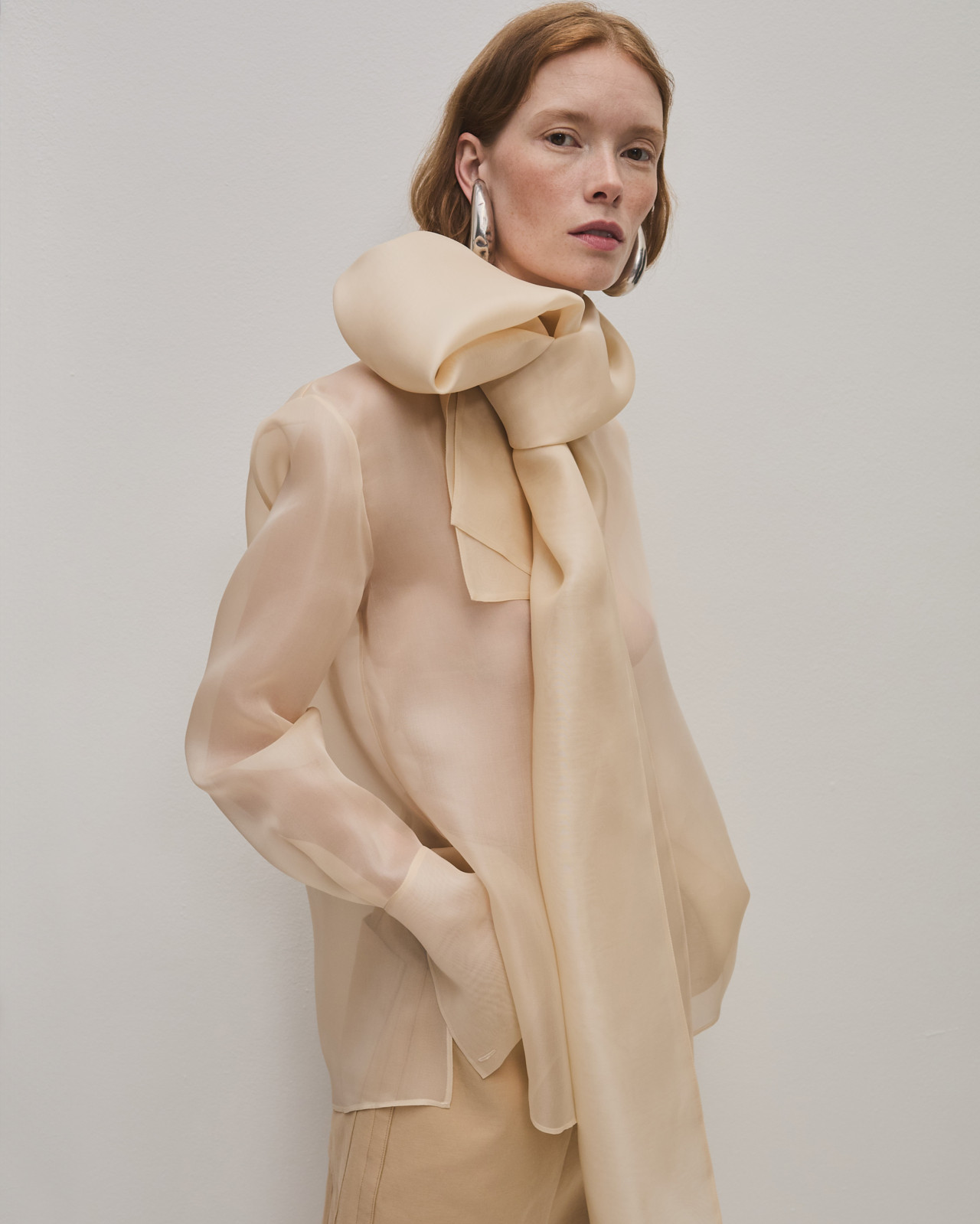
Vanessa Barboni Hallik is the founder of Another Tomorrow, a fashion brand built on regenerative sourcing, circularity, and radical transparency. Before entering fashion, she spent 15 years at Morgan Stanley building emerging markets businesses. In this conversation with Atmos’ executive director, Vanessa shares how her unconventional path led her to reimagine fashion’s supply chains from the ground up.
Theresa Perez
Let’s start at the beginning. Tell me about your background and how you ended up in fashion.
Vanessa Barboni Hallik
I grew up in Iowa. My dad was a sociology professor who got really involved in technology, specifically around NeXT Computer, the company Steve Jobs founded when he got fired from Apple. My mom was an artist and printmaker who ultimately ran the local arts council: a gallery, dance studio, and theater. So I grew up in this totally amazing interdisciplinary, hippie, artsy, techy ecosystem.
We moved to northwestern Pennsylvania when I was around 7, and I witnessed this incredibly formative experience of watching an industrial town collapse. It was a college town, but it also had this high-paying manufacturing economy—the biggest zipper factory in the world, lots of tool and die companies supporting the auto industry. Between the time I went to high school and my younger sister went three years later, they installed metal detectors. The social fabric was completely wrecked. There was also insane environmental degradation.
I think the combination of my parents’ community and seeing that created this feeling that we have to do better than this. I felt a sense of responsibility in that.
But I was really attracted to the intersection of math and creativity, economics and political science. I thought I was going to be an architect, but after some personal challenges in my late teens, I pivoted to what felt like safety. I went hardcore into economics at Cornell.
Theresa
How did you end up in finance?
Vanessa
I always thought I’d work in policy or for a think tank. I applied for all these fellowships and got none of them. Then I had friends applying for finance jobs, and I thought, OK, I guess I’ll try that. I had co-authored this paper with an economics professor—I needed something decent on my resume—and all these finance people were like, “Girl, who does math? We know what to do with that.” The banks gave me all these offers, whereas the policy people were like, “Eh.”
Theresa
But you stayed for 15 years.
Vanessa
I tried to quit. My boss said, “Don’t be stupid, don’t torch your career. Just take a few months off.” I went down to see my family in Colombia, which was amazing. I thought maybe I’d be an immigration lawyer. I took the LSAT, but I didn’t want to do that either. So I ended up back at Morgan Stanley.
Theresa
When did you start thinking about leaving?
Vanessa
Finally, I got up the courage: I either believe in what I say I believe in, or I need to come to terms with the decisions I’ve made and be grateful and happy about that. I decided I have to try.
Theresa
How did fashion enter the picture?
Vanessa
I felt like I had this base of safety, and I could take some risks. I started exploring other industries. I didn’t know the first thing about fashion, but the more I looked at it, the more I thought, oh my gosh, this is a total dumpster fire. I was trying to really understand where I could be of service. When I looked at other areas like energy transition, I didn’t have some radical new idea. But fashion felt like it was being underinvested in as an area that needs real systemic change.
I felt, I understand this. There’s some intuitive understanding I have that brought all the pieces in my life together: the finances and the supply chain stuff I learned, and emerging markets, and the creativity and the technology.
I kind of shocked myself into this concept for a brand that could be this blueprint, and spent my sabbatical coming up with this concept for Another Tomorrow.
Theresa
From the beginning, you knew you wanted to make a model other people could replicate?
Vanessa
Yeah. I was looking at policy, trying to map things at a systems level from all these discrete pieces of information, thinking about it through the lens of the consumer and discovery and knowledge. Ultimately I was like, I think we can build a brand that encapsulates regenerative sourcing, treating clothing as an asset from a circularity standpoint, really deeply embedding a consistent value system of valuing life across environment, animals, and people.
Then I had this idea: We’re going to come up with some solutions along the way that hopefully would be of service to others. Can we open source that: Build this model, prove that it works and can scale (I see the tensions in saying that), and then take some of the solutions we come up with and offer them up so that other people can use them without reinventing the wheel?
Theresa
What year did you launch?
Vanessa
2020, right before COVID. We were not making sweatpants, so we did not have the Pangaia moment. But it was also a wonderful time because people had some emotional bandwidth to digest what we were doing and think more thoughtfully about how they wanted to live.
Theresa
Has the model been working?
Vanessa
The model has been working. One of my first revelations was: Fashion’s either an agricultural product or it’s a petrochemical product, or some combination of the two, which is kind of the worst. Sustainability is inherently local, so you need to have a relationship at the farm level.
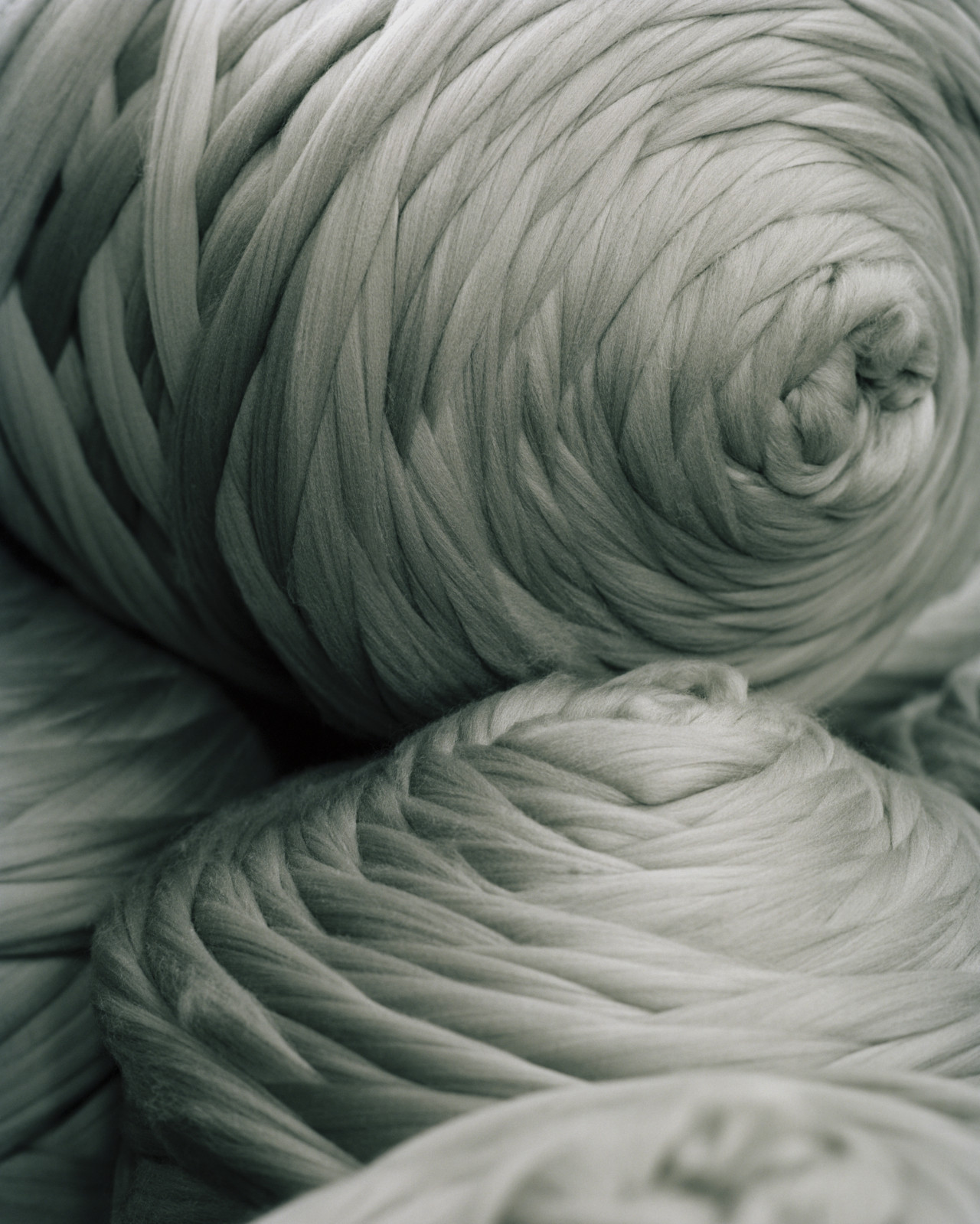
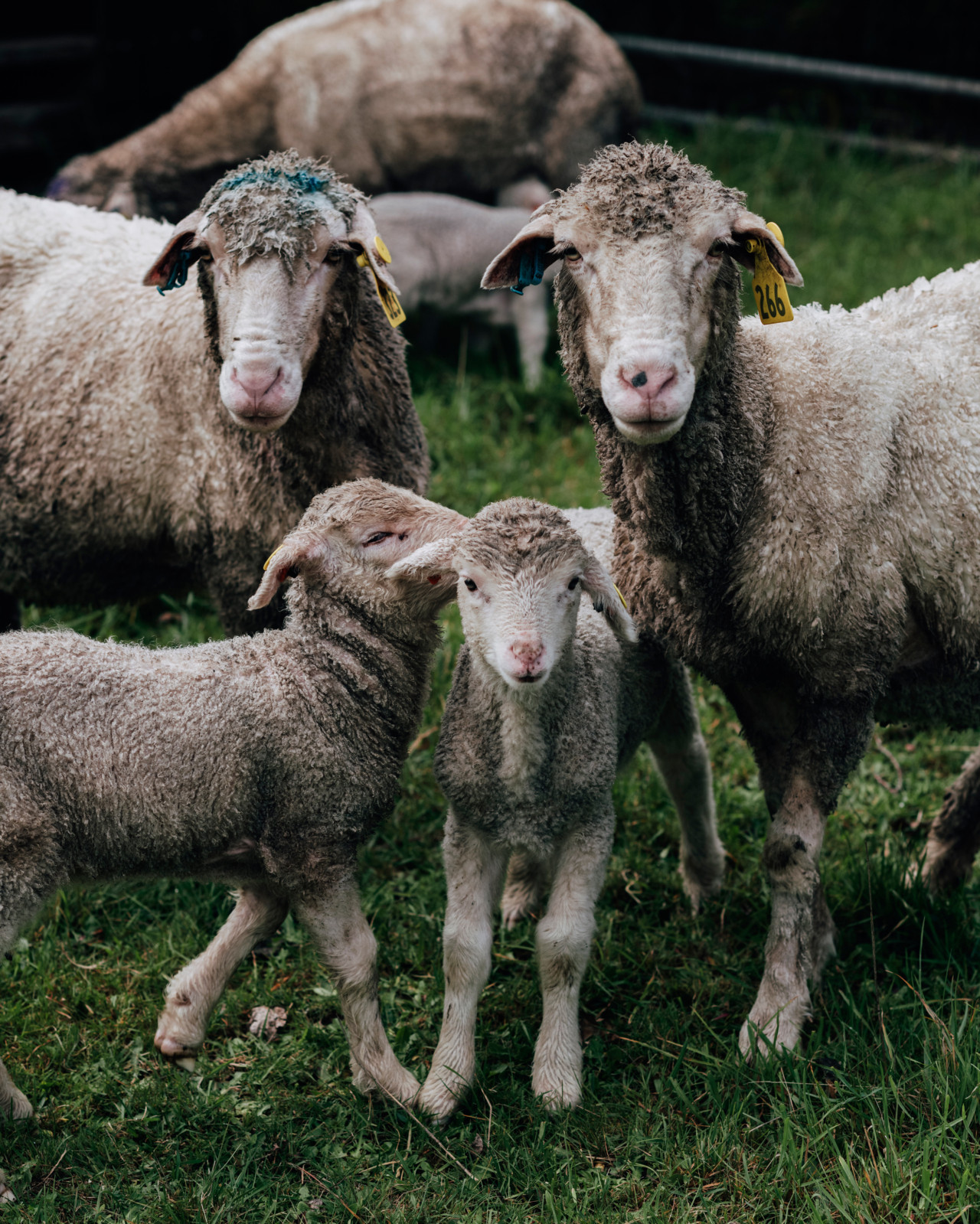
For wool, we built our supply chains literally from the farm up. We started out with two farms in Tasmania. An organization called Fibershed made the initial introduction. We’ve built these supply chains that are really scalable, from the farm up, and we’ve been able to demonstrate with data: net sequestered carbon, amazing biodiversity impact, and the materials are beautiful, wearable materials. We’ve been able to do that with a net positive impact.
Same thing for organic cotton. We have a great program we’ve developed with a partner in Uganda, and another program that’s about 20 different farms now, globally. This has really been our cornerstone, and it works.
“For me, the pinnacle of sustainability is really circularity, because we have so much product outstanding that can be recirculated in the world.”
Theresa
And you’ve integrated digital IDs?
Vanessa
Yes, you can scan your jacket and see the supply chain. You can also activate the product to resell it. The thesis is farm to closet to closet to closet.
Theresa
Tell me more about the circularity and the technology.
Vanessa
We’re developing our technology, ultimately hoping it becomes a licensable solution so other brands can embed it and start to think about the customer and product lifecycle as inherently circular. We just moved onto blockchain, so you can record changes in ownership.
I was careful about blockchain initially because I didn’t see a really coherent use case. But now we really have this opportunity to both authenticate and register the product and then have these transitions of ownership.
I view it like you should be able to bonk each other’s phones, and instead of just exchanging information, all of a sudden I own your jacket and I send it to you. That’s my vision of how this should feel.
Theresa
Do you get any of the benefits of the circularity, economically?
Vanessa
Yes. One, you can take a piece of that transaction. Two, you get the benefit of staying in touch with that customer. Maybe you love that jacket now, and in a year you’re not feeling it. Maybe you sell it and buy something else—we have another touchpoint with you.
Theresa
Wait, so people can buy a brand-new T-shirt and a secondhand jacket in the same cart?
Vanessa
That’s the idea—to normalize that.
Theresa
How have you been sharing the model and learnings with others?
Vanessa
In the very early days, we did a ton of supply chain storytelling. For a minute, we even had a completely editorially separate magazine section to talk about these supply chains.
I realized that’s how I built emotional connection. There was a New Yorker article about cashmere years ago, and I understood it through that storytelling. But I didn’t want it to be branded content. I really wanted it to have that integrity.
Over time, the commercial realities of the business meant those storytelling budgets got squeezed. A lot of the communications shifted to much more in-real-life, community communications. That’s something we’re working to rebalance now, and it’s an area where I’ll be putting more of my voice.
Theresa
I’m visualizing something that illustrates your whole model.
Vanessa
If you look at it through the lens of multi-year contracts, a materials library you consistently design into, reduced waste, more certainty, stronger partnerships—there are so many ways in which this is inherently better for a resilient business.
Theresa
It’s like solar panels—it’s economically better, better for the environment, but people need to trust it first. Have you had dialogues with bigger brands?
Vanessa
We have a lot of those dialogues. There’s a good community amongst us who are working in this space. I’ve gotten to know the team at Kering probably the best.
We’re hoping to get some of the materials we’ve developed into as many brands as possible. And equally, that’s how you get money down to the farms. There’s a group of farms that would be amenable to making some of these changes if we can just get some of the cash down to them.
We were careful about communicating the opportunity until we really had the data to back it up. Now that we have the data, we’re ready to mobilize.
Theresa
If you could have it the way you wanted it, what does the fashion industry look like in five to 10 years?
Vanessa
For me, the pinnacle of sustainability is really circularity, because we have so much product outstanding that can be recirculated in the world. Cultural attitudes toward ownership have to change.
Resale is critically important, and every brand should have it built into their model. That creates a huge incentive to go up in quality: Anything disposable doesn’t have residual value.
The other part is regenerative sourcing, which is harder, because it is definitively more expensive. The two things have to come together.
You have to de-risk the model first. The amount of risk in fashion is what creates the push toward massive margins and lowest cost. The circularity piece and the merchandising philosophy help de-risk the model.
Otherwise, you’re just adding more cost to a broken system—and that doesn’t work.
Learn more about Another Tomorrow’s regenerative supply chains and circular resale platform at anothertomorrow.co.
Editor’s note: This interview has been edited for length and clarity.
Join our membership community. Support our work, receive a complimentary subscription to Atmos Magazine, and more.
Building a Blueprint for Regenerative Fashion