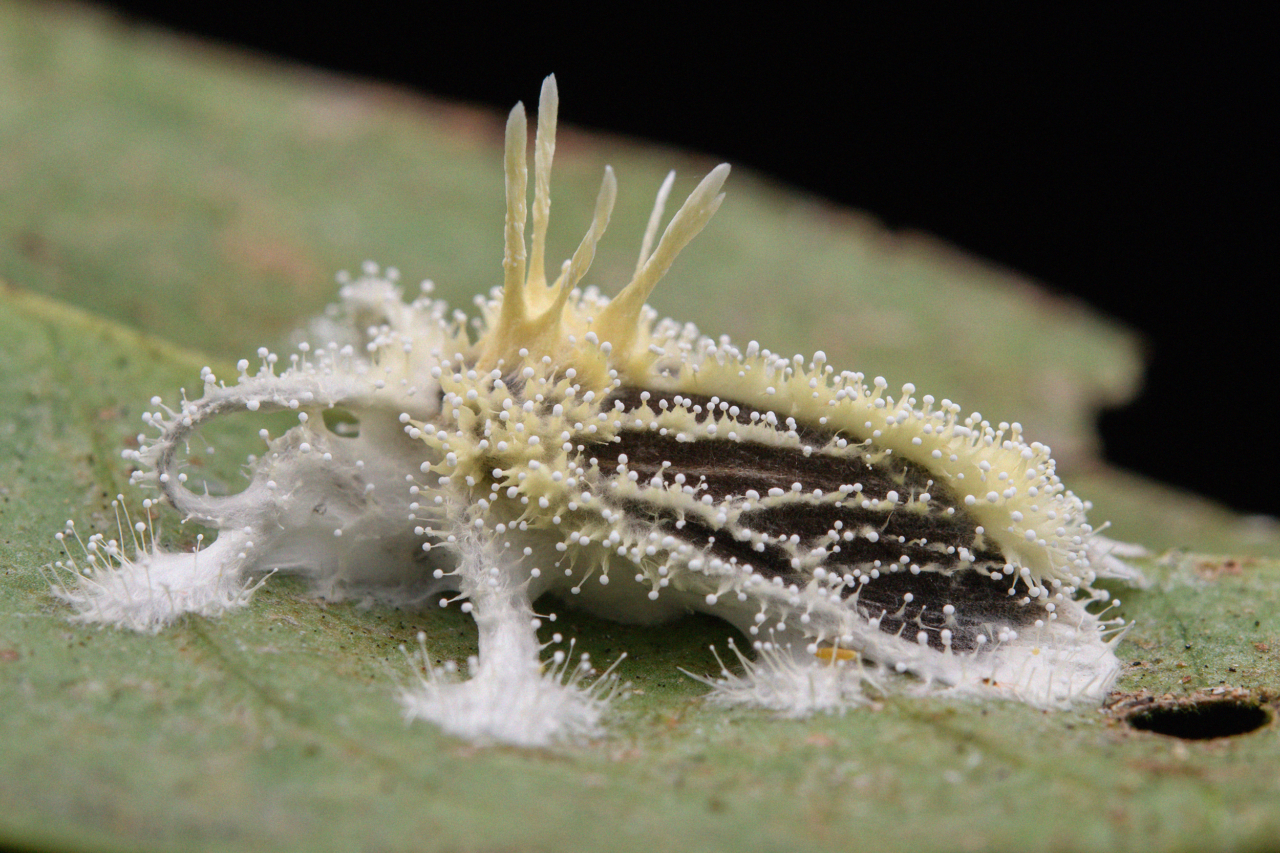
Photograph by Chien Lee / Minden Pictures
words by willow defebaugh
“The world is made of relationships, not things.”
—Fritjof Capra
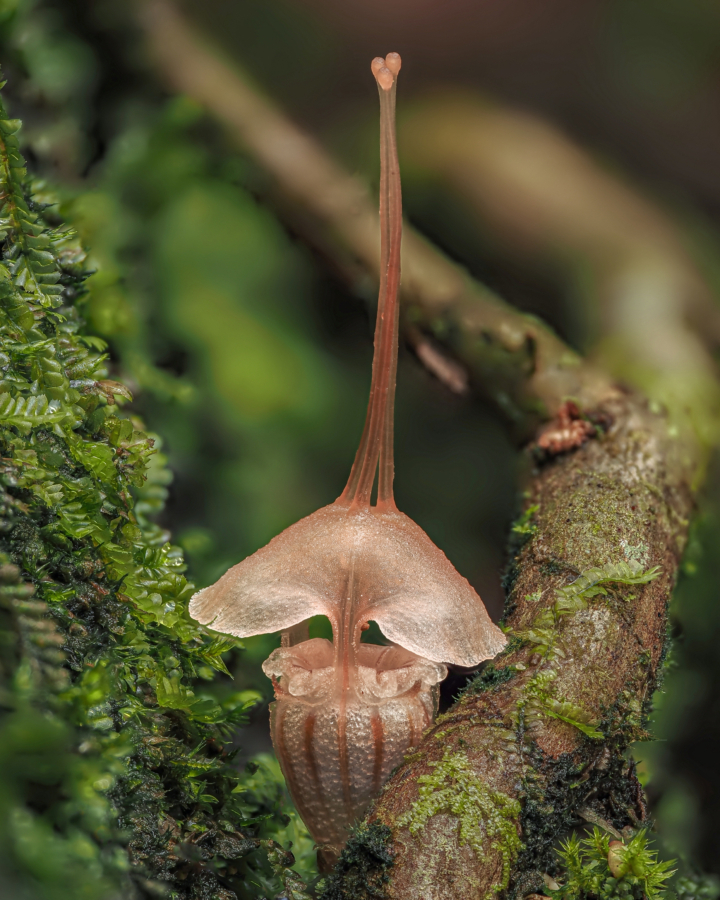
Last week, I wrote a newsletter about the discovery of a new species of fairy lantern plant that feeds parasitically on fungi. While I used this organism as inspiration to spin a metaphor about the forces that sap our own energy, I was careful not to disparage the plant, as I do not believe that anything in nature is inherently good or bad. (Also, it’s my new favorite flower.) But a comment from a reader did leave me wondering: Who’s to say it doesn’t give back?
As a mycoheterotroph, the fairy lantern does have a parasitic relationship with fungi. But when we label an organism as a parasite, it takes on a stigma—one that might ignore a wider context. The fairy lantern might have learned how to siphon nutrients from mycelium, but does that mean it plays no generative role in the forest? Research is still emerging on this front, but it could help regulate the fungi or provide resources to insects. As a niche species, its very presence signals biodiversity. And when it decomposes, it will nourish the forest floor.
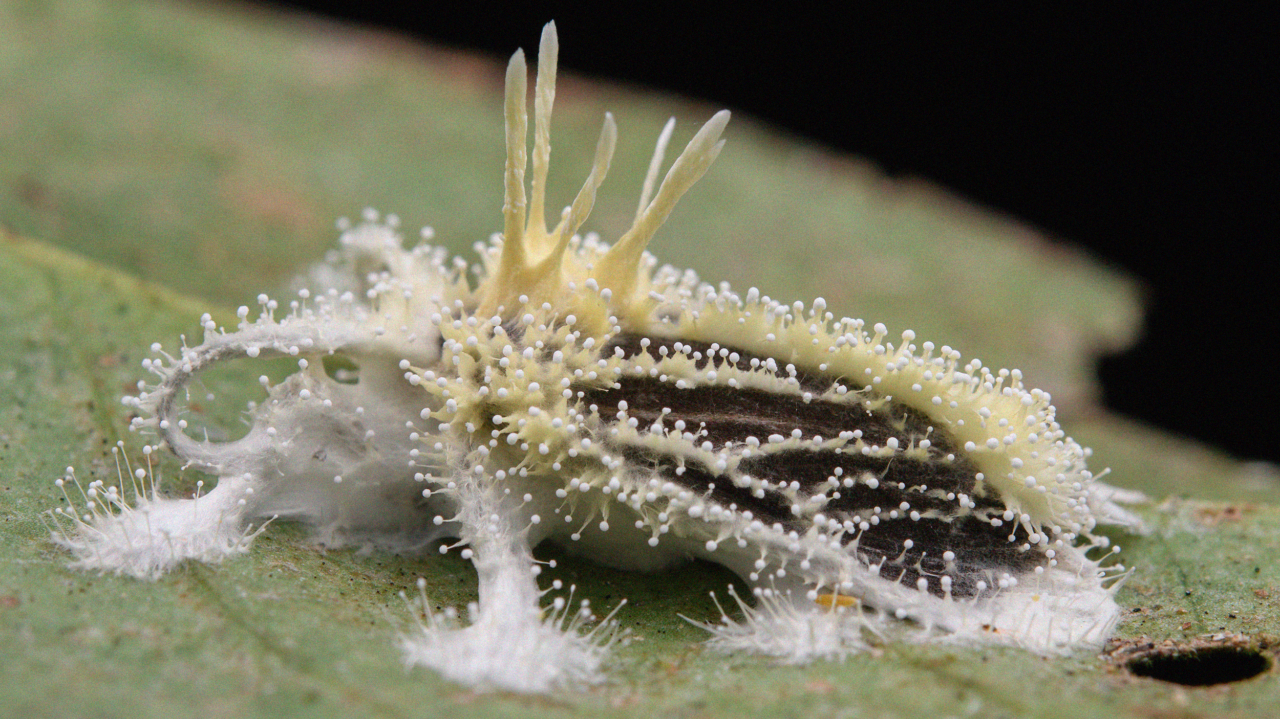
Parasites can be extractive at the individual level while still contributing to the balance and flourishing of ecosystems. They can prevent overpopulation, stabilize food webs, and drive evolution in selecting stronger immune systems. Even tiny parasites can be keystone species, affecting the shape and trajectories of entire ecosystems. Placing organisms in a web of relations rather than isolated ones illuminates the complexity that makes life on Earth so wonderfully rich.
As Sophie Pavelle wrote in a recent feature for Atmos, almost half of all animal life is parasitic, and pretty much all wild animals host parasites. “Only foolish parasites kill their host; smart ones hold them close,” she wrote. “What if humans could learn from that? What if we mirrored the restraint, reciprocity, and sustainability of Earth’s most successful exploiters? Could this new sort of parasitic relationship offer our host planet the chance to survive—maybe thrive—in balance?”
Maybe our unease with parasitism has to do with linguistic connotations. Or perhaps it’s that we assume extraction and contribution are mutually exclusive. In nature, they rarely are. Energy is always borrowed, nutrients are always in transit. What matters more than the act of taking is whether it unravels the web or strengthens it—whether it participates in continuity or collapse. In this sense, parasites are not aberrations, but reminders that life persists through relationship.
Speaking of symbiosis—and in keeping with the spirit of this newsletter—I wanted to announce a new experiment. For the month of February, each edition of The Overview will respond to a different query from a reader. Starting now, you can email me at overview@atmos.earth with something personal you are struggling with or a question you have. If yours is chosen, I will see what wisdom nature might hold for you, and write a newsletter about it in response.
I can’t promise I will have the answers to your woes, but I am willing to bet that other species might. In trying to navigate the last five years of my life, this newsletter has been my attempt to let nature light the way, fairy lanterns and all. I’m looking forward to doing the same for you. And if not you, maybe there’s someone in your life seeking answers who you might forward this to. We all need help sometimes. And even the smallest creatures, and acts, can shape worlds.
Join our membership community. Support our work, receive a complimentary subscription to Atmos Magazine, and more.
What Gives? Putting Symbiosis—and Life—in Context