Photograph via NASA
words by willow defebaugh
“If you can’t take love to the stars, what are we doing? Why are we even going?”
—Amit Kshatriya, NASA Associate Administrator
It is humbling to remember that nothing but a narrow blanket of gas molecules separates us from nothingness itself: a cloud of mainly nitrogen and oxygen, riveted by gravity, on the other side of which rests the sublime emptiness and formless shape of the universe. This layer is at once a shield and sieve, a circulatory system and climate regulator for the Earth that makes life in its many varied iterations possible. All of this from a luminous thin blue line: our atmosphere.
Earth would be a frozen wasteland without that thin blue line. When sunlight passes through the atmosphere, it warms the planet’s surface and is re-radiated as heat. Rather than letting it slip back into space, greenhouse gases absorb and re-emit that heat. Known as the Greenhouse Effect, this creates a sustainable climate. The burning of fossil fuels increases the concentration of these gases, which intensifies this heating effect with calamitous consequences.
Seeing this fragile line from space bends the mind. The sight of our planet adrift in the inkblot of the universe—that single refrain without end—is said to produce a profound cognitive shift toward reverence and interconnectedness. When faced with the boundary between nothing and everything, all other borders vanish. Synthesizing the testimonials of numerous astronauts, space philosopher Frank White called this the Overview Effect, for which this newsletter is named.
“What you realize is every single person that you know is sustained and inside [of the atmosphere],” said engineer and astronaut Christina Koch while describing her experience at the International Space Station from 2019–2020. “Everything else outside of it is completely inhospitable. You don’t see borders, you don’t see religious lines, you don’t see political boundaries. All you see is Earth and you see that we are way more alike than we are different.”
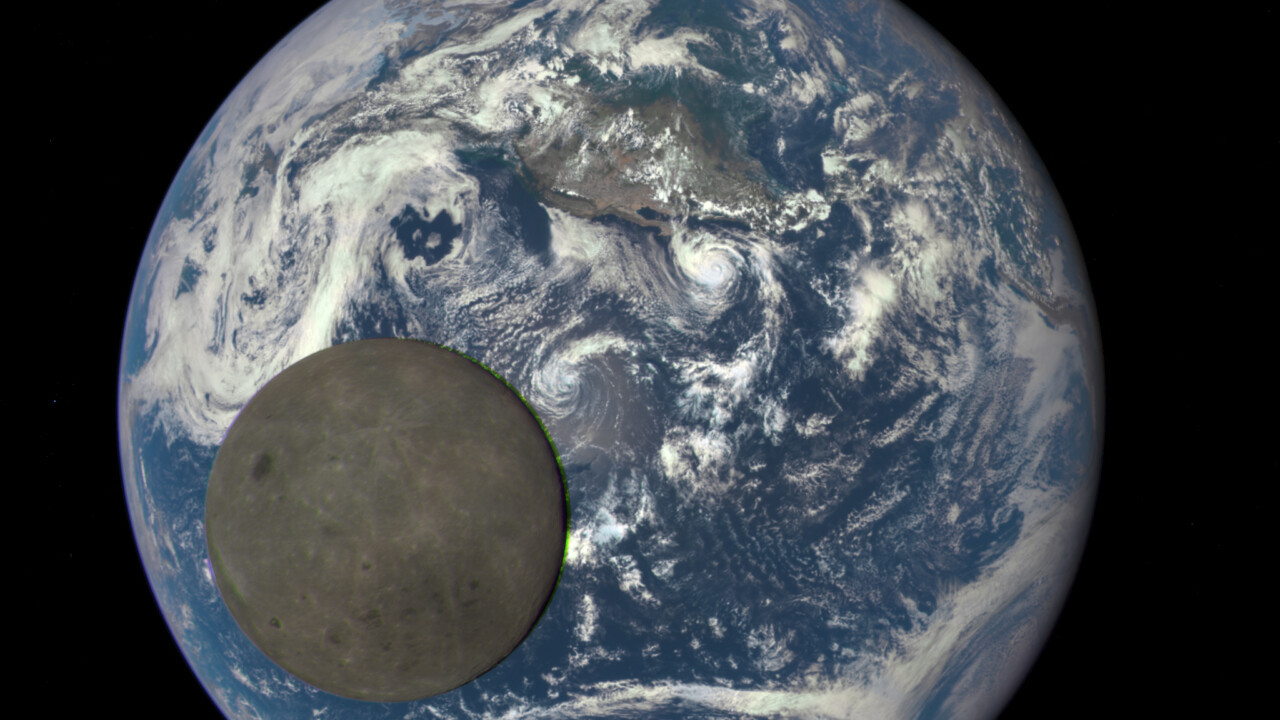
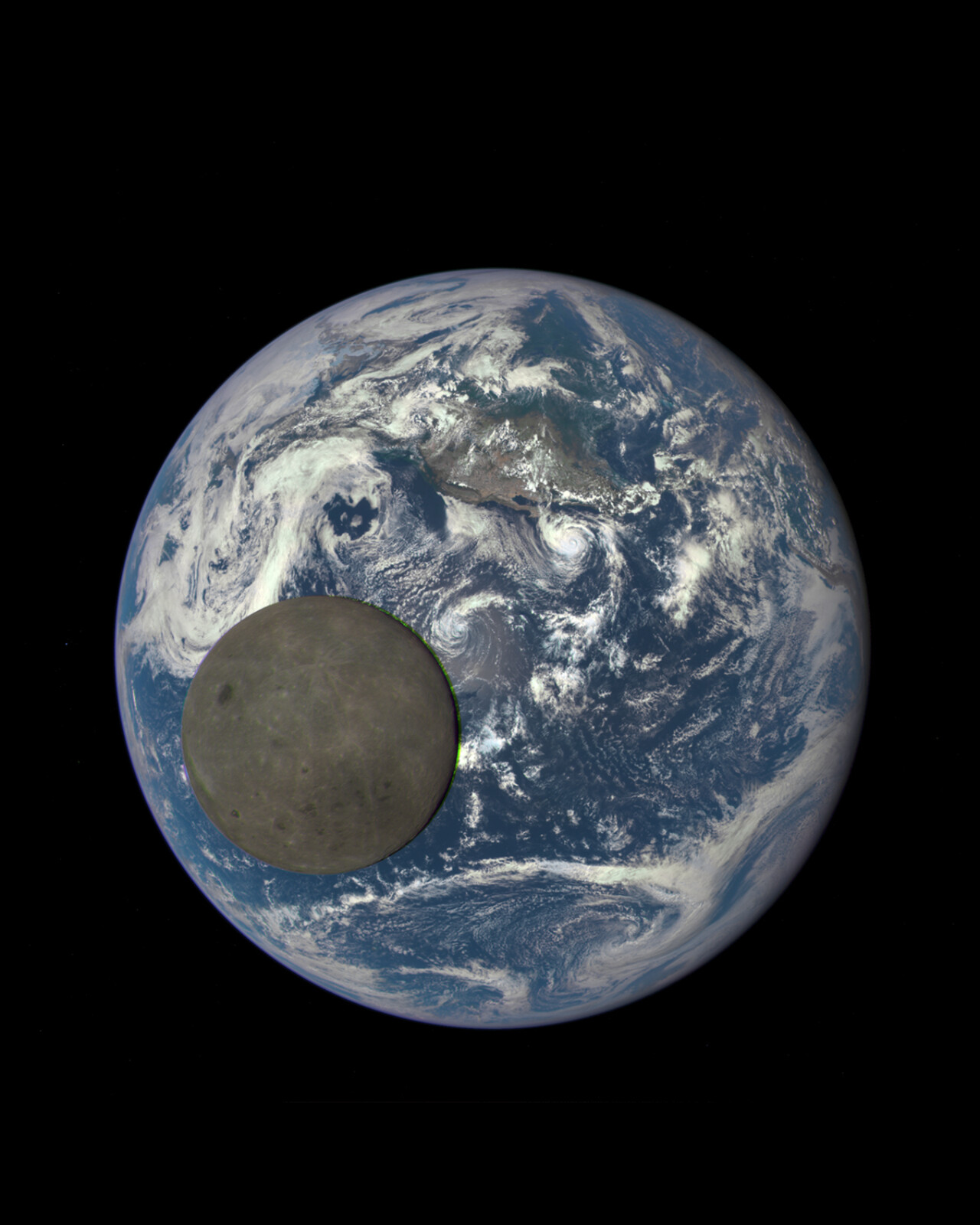
Koch is one of four astronauts aboard a ship that just carried humanity the farthest it has ever been from that thin blue line, a propulsive leap away from life toward science and back again. NASA’s Artemis II mission took our species around the far side of the moon to study it up close, test life support systems in deep space, and observe health above low orbit. Not to mention produce images of Earth unlike any we’ve seen, at a time when we seem to need them most.
In an emotional dispatch from the spacecraft, mission specialist Jeremy Hansen shared that the crew proposed names for two lunar craters. They suggested naming one especially bright crater after Capt. Reid Wiseman’s late wife, Carroll, who died of cancer in 2020 at 46 years old. To the second, they offered the very nickname they’d given their vessel—the same one from which they viewed these records of seismic loss, in the depths of a sparkling void: Integrity.
Integrity, a noble word that shares the same root as integer—“a complete entity”—and integral, like the atmosphere is to life. The atmosphere, which we call a line the way any elongated mass becomes one when viewed from far enough away. In reality, it is a gradient of gas particles, porous yet opaque enough to separate everything from nothing. Blue that fades to black, the membrane of an organism we call the Earth: an integer all its own, if only we could see it.
Join our membership community. Support our work, receive a complimentary subscription to Atmos Magazine, and more.
The Thin Blue Line That Shields Life From the Void