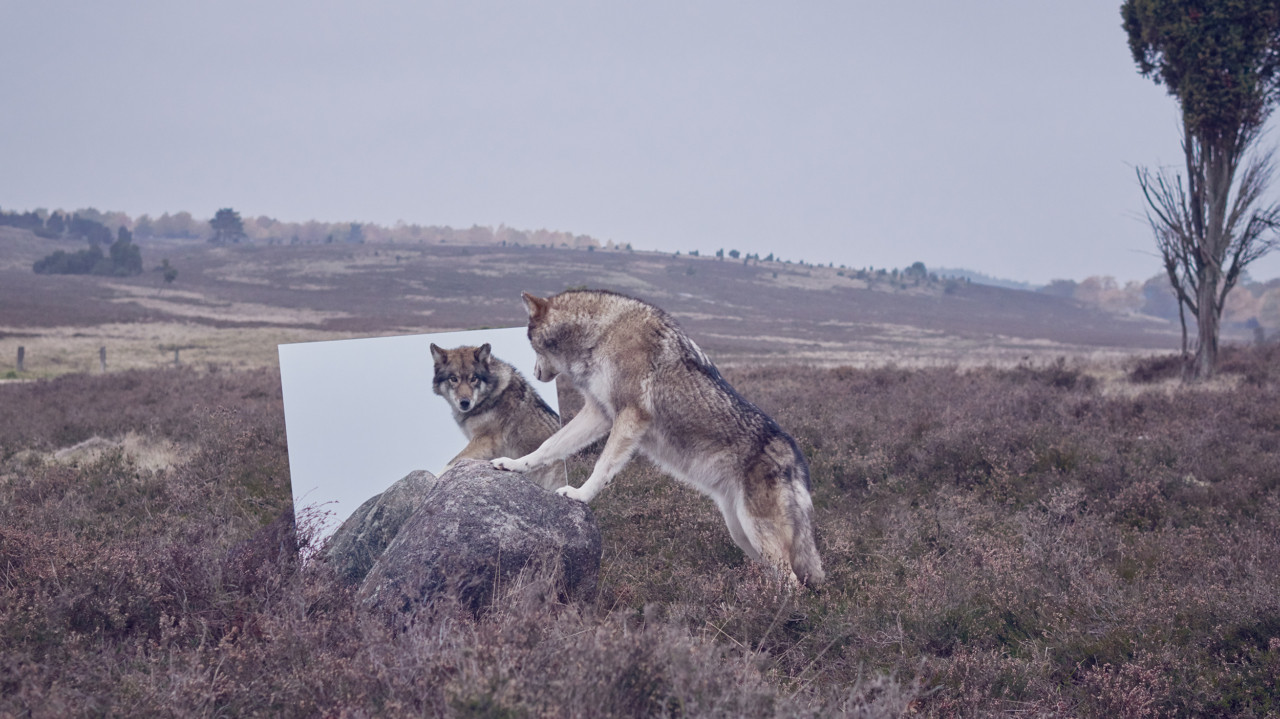
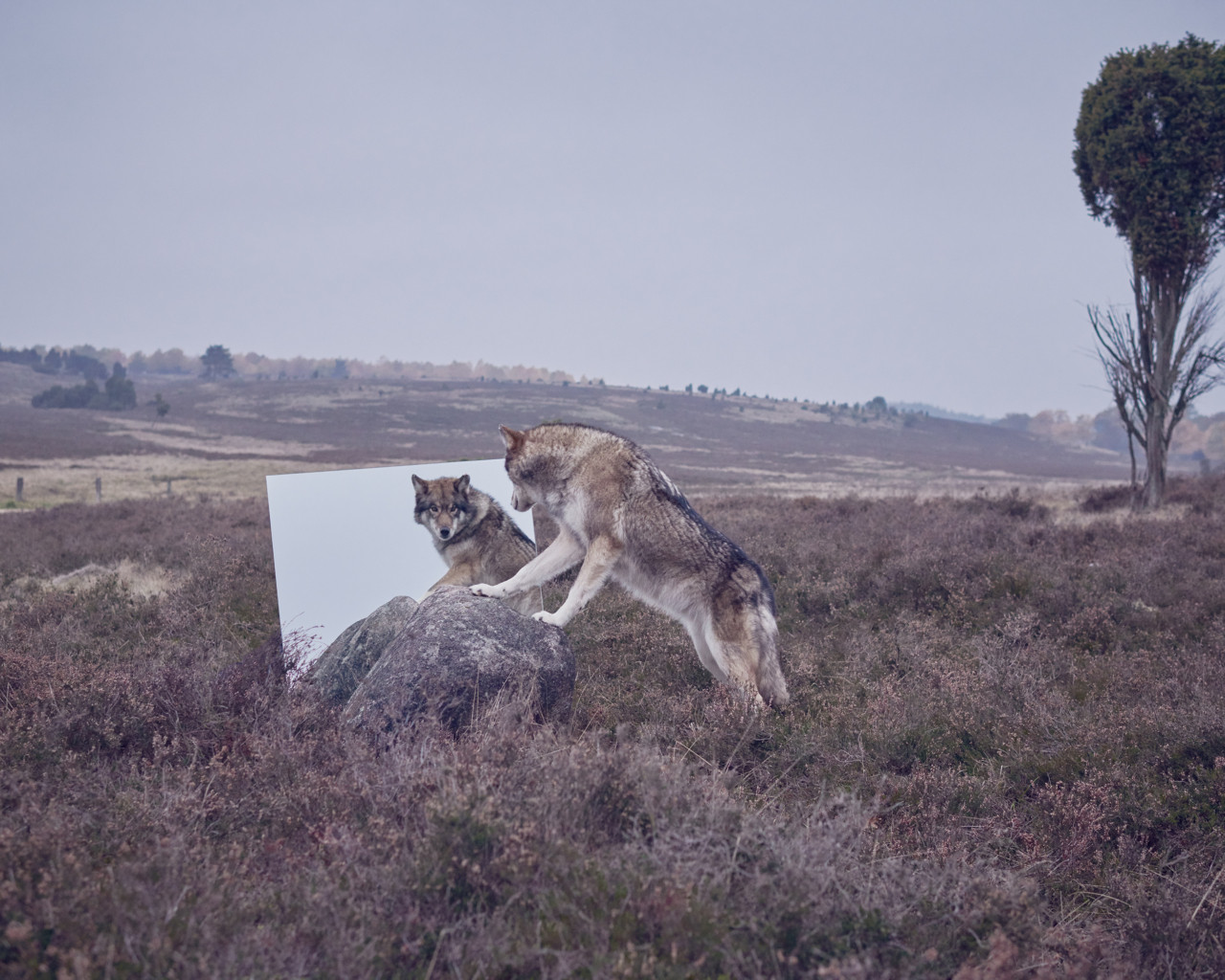
Photograph by Thomas Hoeffgen / Trunk Archive
words by willow defebaugh
“I have been struggling with isolation from a friend group recently, and have found it difficult to find a lesson from nature, since everything in nature works together so deeply.”
—Anonymous reader submission
In last week’s newsletter, I announced that I would start taking reader queries about topics or situations people are grappling with—and that I would see what wisdom nature might have to offer them. My original plan was to wait until February, but I’ve been so inspired by the letters that I decided to dig in early. The first comes from a reader struggling with feelings of isolation.
Who among us hasn’t felt like an outsider at some point? Digital life has turned loneliness into what mental health experts are calling an epidemic. Social media, especially, can leave us with the impression that everyone else belongs to a pack, and we’re the odd ones out. From an evolutionary perspective, this is our worst nightmare. Humans are social animals. Fundamentally, we want to belong. And we aren’t the only ones.
Wolves are also social creatures, forming tightly knit packs averaging between six and eight individuals. Banding together allows them to hunt much larger prey than they would be able to alone, guard vast swaths of territory, and guarantee one another’s safety—including vulnerable pups. And yet, the idea of the lone wolf also prowls our collective imagination: wolves who we might assume have been cast out or opted to rough it out and live in solitude.
More commonly, lone wolves are individuals who have ventured out on their own—some as far as 500 miles—to seek a mate and start a new pack together. Known as dispersal, this behavior is crucial for maintaining the health and diversity of the species and is extremely common in nature. Life on Earth wouldn’t have unfurled as it has without individuals going their own way. What if leaving one pack is an invitation to disperse and find or form another?
For most of my life, I wished for one pack to belong to. I tried out many. This didn’t change until I was in my early 30s and went through what I would consider to be my lone wolf years. I got to know myself and learned that I cherish solitude. In that time, I also came to realize that I hold multitudes that can’t be fulfilled by one group of people. Now, I find myself part of many packs—some of which I formed on my own—that each speak to different parts of my soul.
While I often highlight the more symbiotic aspects of nature, largely to counterbalance narratives of domination, that doesn’t mean everything works together. The living world is a tangled web of organisms—groups and individuals—acting and reacting to one another and their environments. Charles Darwin wasn’t wrong that competition has also been a driving force of evolution, as has dispersal, predation, and so on. Nature seldom holds a single truth, but myriad ones.
A life has many seasons. In some, you might find yourself belonging to a pack (or a few). In others, you might just find yourself. Don’t be afraid to be the lone wolf for a little while, even if the territory feels unfamiliar. And, as Rainer Maria Rilke once wrote, try to love your solitude. Be gentle with those you leave behind and start seeking others with whom you share interests. There are other packs out there—and other lone wolves waiting to form ones with you.
Join our membership community. Support our work, receive a complimentary subscription to Atmos Magazine, and more.
The Lone Wolf