words by willow defebaugh
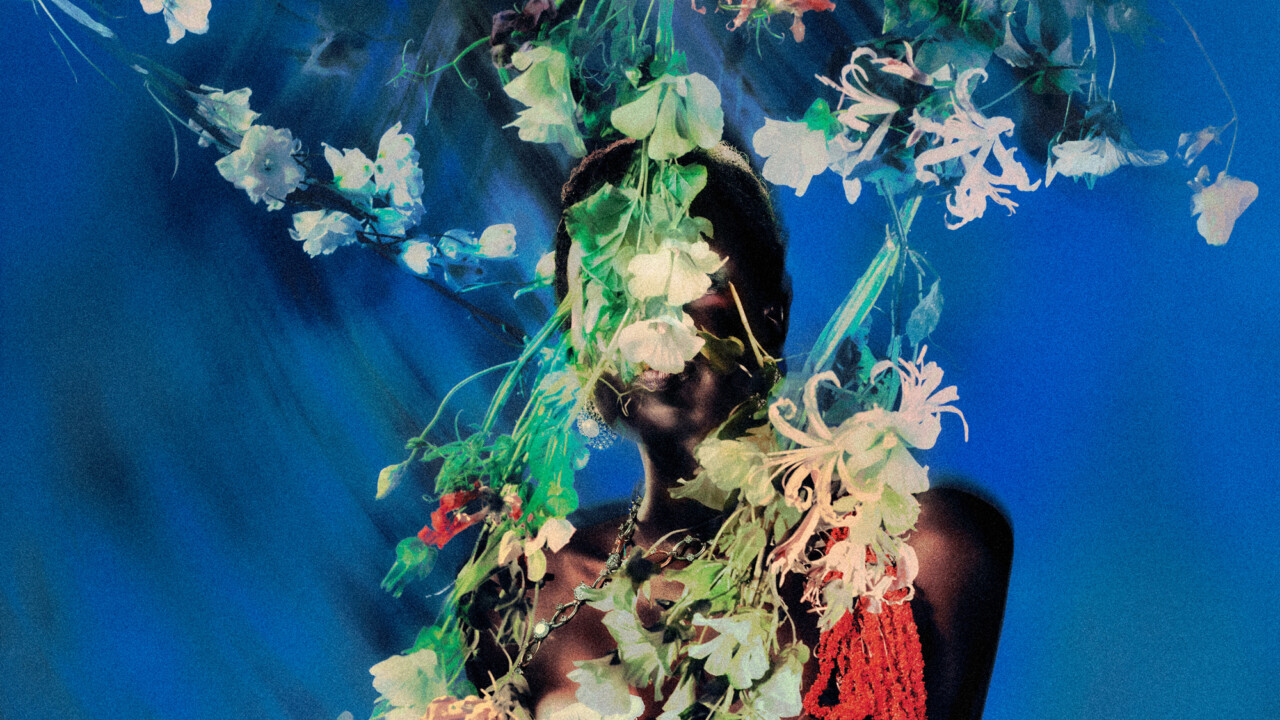
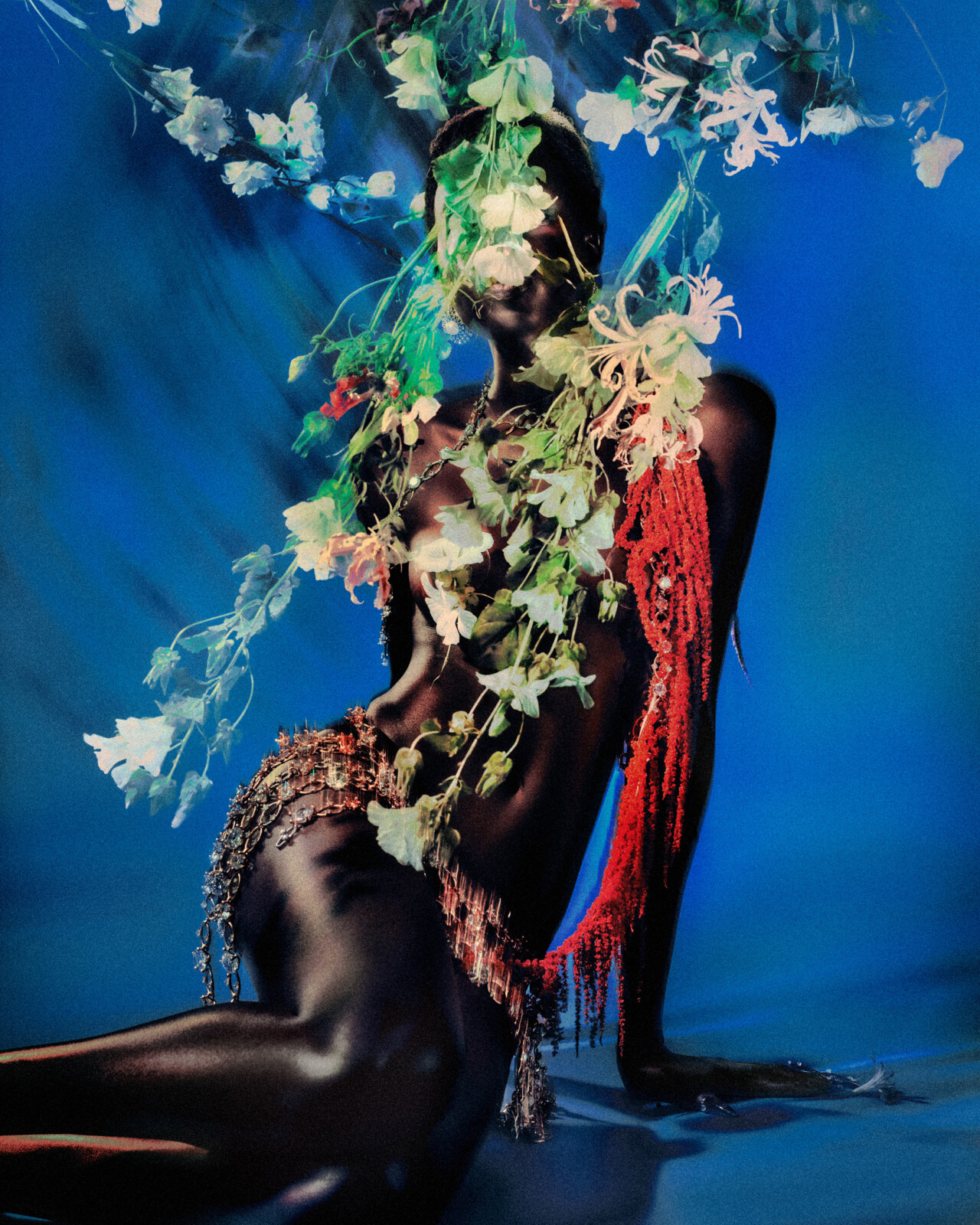
photograph by elizaveta porodina
“All flourishing is mutual.” —Robin Wall Kimmerer
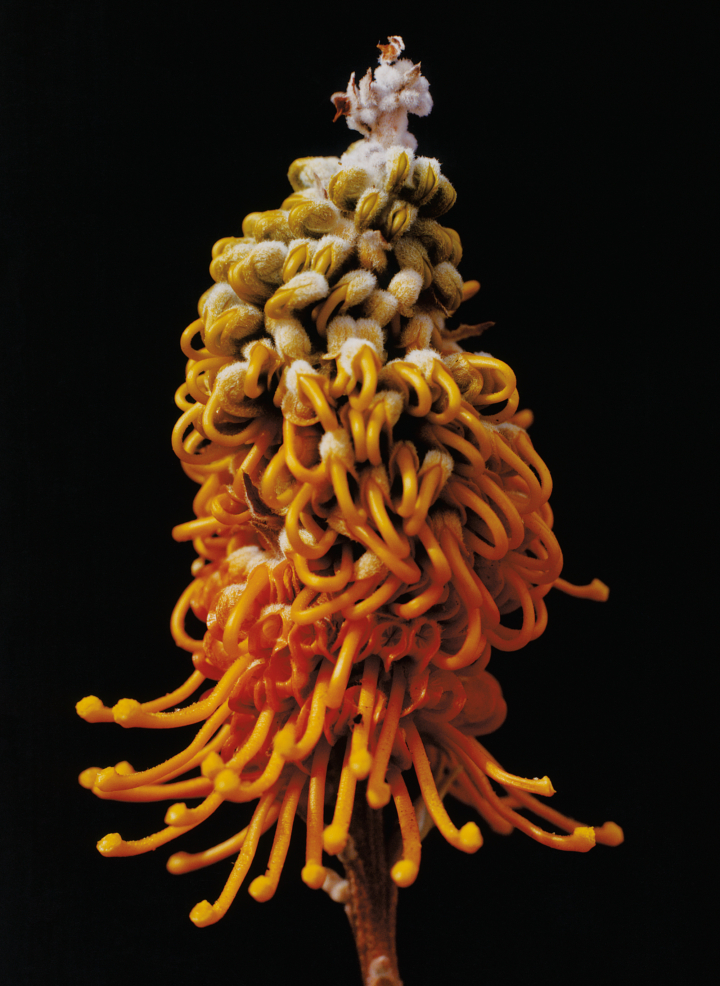
The symphony of time and temperature, sunlight and chemical signals, water and nutrients—for a bud to open, an orchestra of unseen constituents must play in perfect concert, conducted by nature’s peduncular baton. From this delicate balance, the most delicate of beauty appears, a sublimity so ubiquitous it helped inspire the Earth as we know it today: an inflorescence, a flowering. But as with all forms of becoming, the architecture of blossoming varies vastly.
Some flowers bloom singularly, a perfect expression contained in one form atop one stem. The lotus emerging from muddy water, the impossibly bright red poppy, the exquisite cup of a tulip: Each of these represents botany investing everything in a solitary, exquisite blossom. These flowers are often ostentatious by design; sizable and swathed in vivid colors meant to attract pollinators who will spread the plants’ magic. Singular beauty, but with a relational purpose.
The word inflorescence is itself illusory. In botanical terms, it can refer to any form of flowering, but it can also be used with specificity to describe a cluster of flowers. Consider what we call a single sunflower—on closer inspection, a galaxy of florets is revealed. Every Queen Anne’s lace is a constellation emerging from a solitary stem; every hydrangea, a floating planetoid. Are our own nebulous notions of selfhood not similarly, deceptively plural? We are multitudinous.
Some inflorescences blossom sequentially along stems, many flowerings unfolding from a single stalk of becoming: foxglove with its toxic florets, lavender with its mollifying fragrance. The gradient blooms of lupine open from the bottom up, a temporal ladder known as a raceme. These structures allow the plant to bloom slowly over time, enticing repeat pollinators with fresh flowers while drawing out its reproductive window. Flourishing need not be rushed.
Others unfold in umbels and flat-topped clusters, a single stalk branching out into many more, forming planes of beauty offering their bounty to the world: the culinary delight of dill, the anti-inflammatory properties of yarrow, the medicinal remedies of elderflower. These plants create landing platforms for pollinators, setting a hospitable table for insect generalists to have their nectarous feasts, dusted with pollen grains of wisdom: Abundance begets abundance.
Flowers reveal a world in which what appears singular is often not—and yet, we often imagine ourselves as such. We conflate selfhood with identity, and style ourselves apart from the life that flourishes around us. But identity is not the entirety of our being; it is what flowers from the soul. We bloom and wither, expand and adapt. Each of us has a multiplicity of florets and facets; blossoms radiating from a central axis of self. And this inflorescence can’t be forced.
What prompts the subterranean to flower is not so different from what moves the subconscious to blossom: the counting of clocks, the fall of rain, the passage of energy. And there is no one path to blooming or becoming, just as there is no single self, singular as we may be. Flowers are not so much individuals as they are events, phenomena—inseparable from the fields and forests in which they flourish. They are as we are, as life is: beautiful, ephemeral, and inflorescent.
Join our membership community. Support our work, receive a complimentary subscription to Atmos Magazine, and more.
The Inflorescent Self: Botanical Notes on Becoming