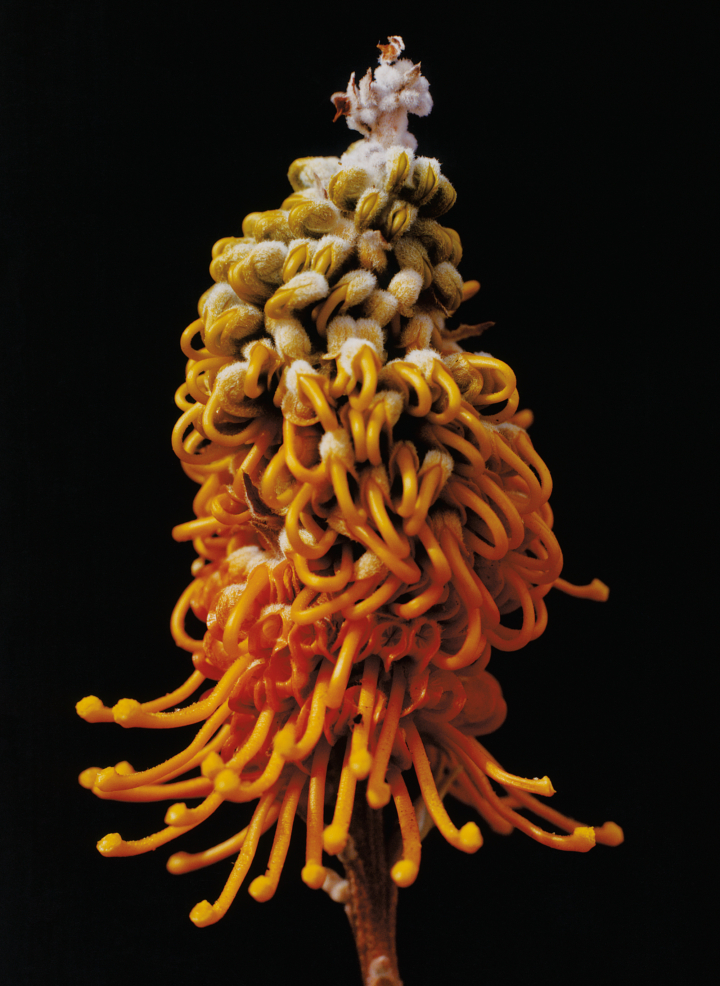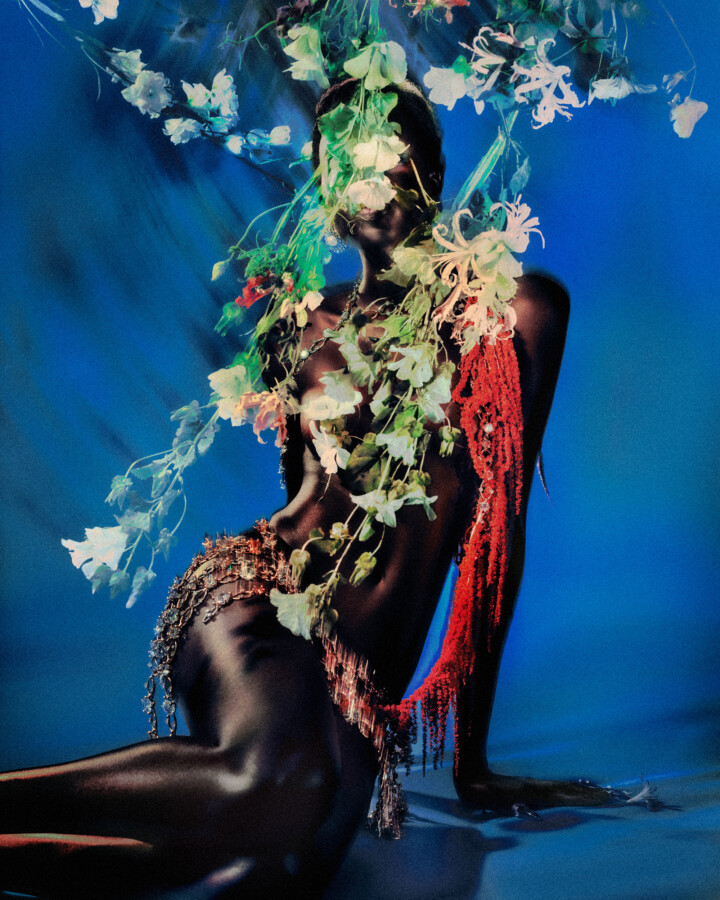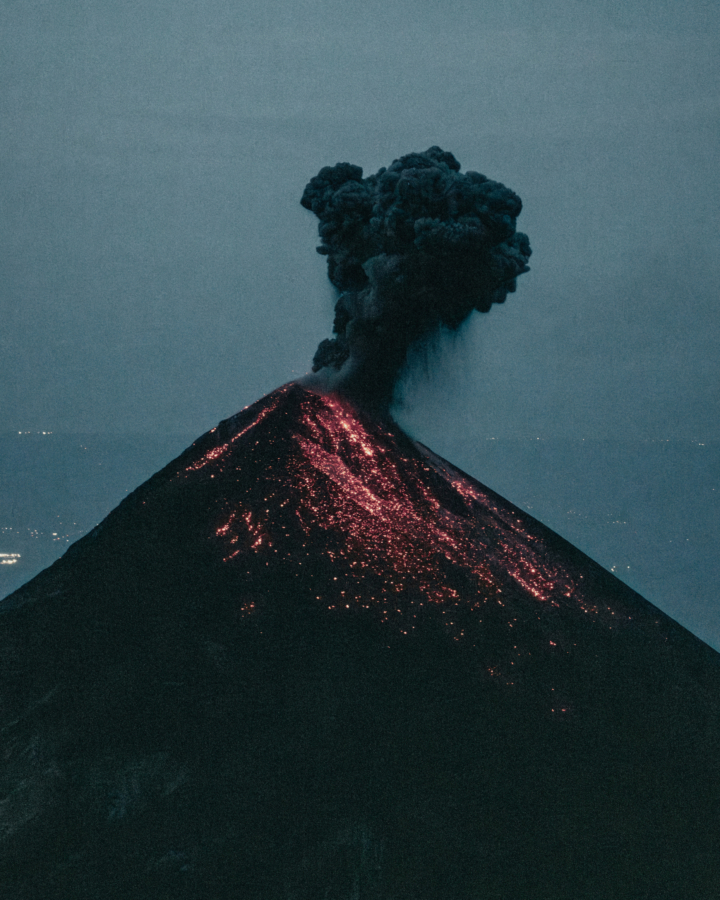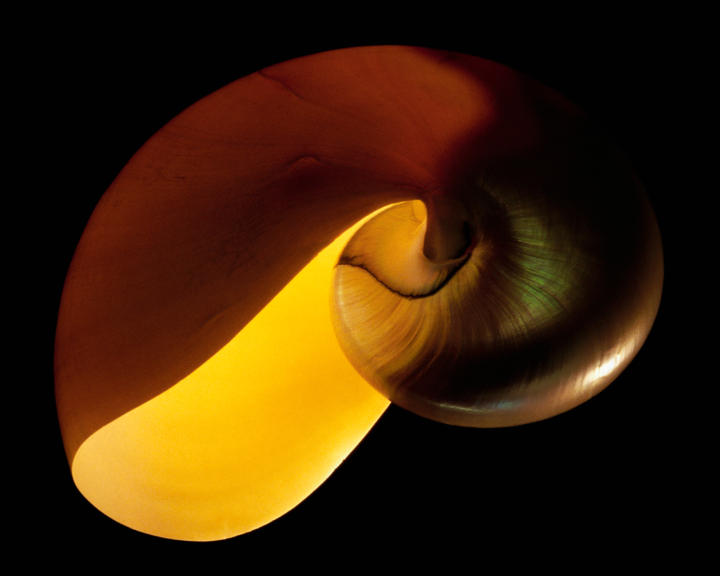
Photograph by Nathan Sokul / Stills
words by willow defebaugh
“The feeling of awed wonder that science can give us is one of the highest experiences of which the human psyche is capable. It is a deep aesthetic passion to rank with the finest that music and poetry can deliver.” —Richard Dawkins
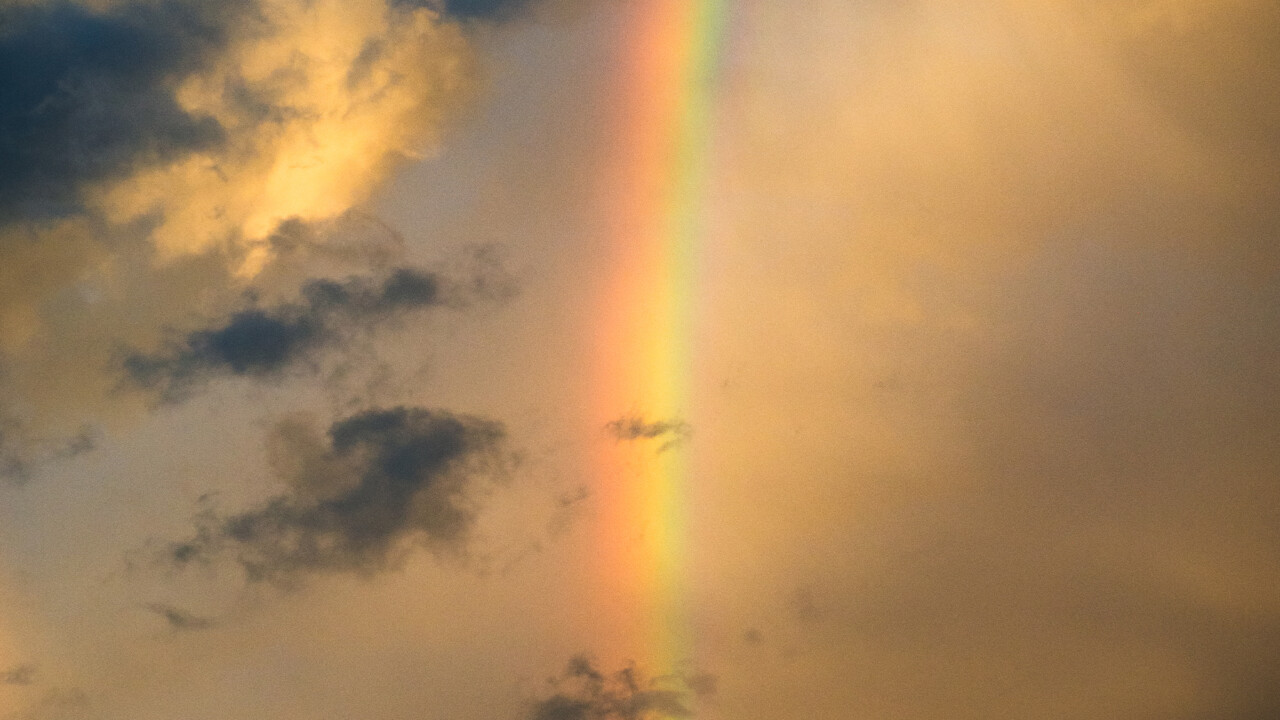
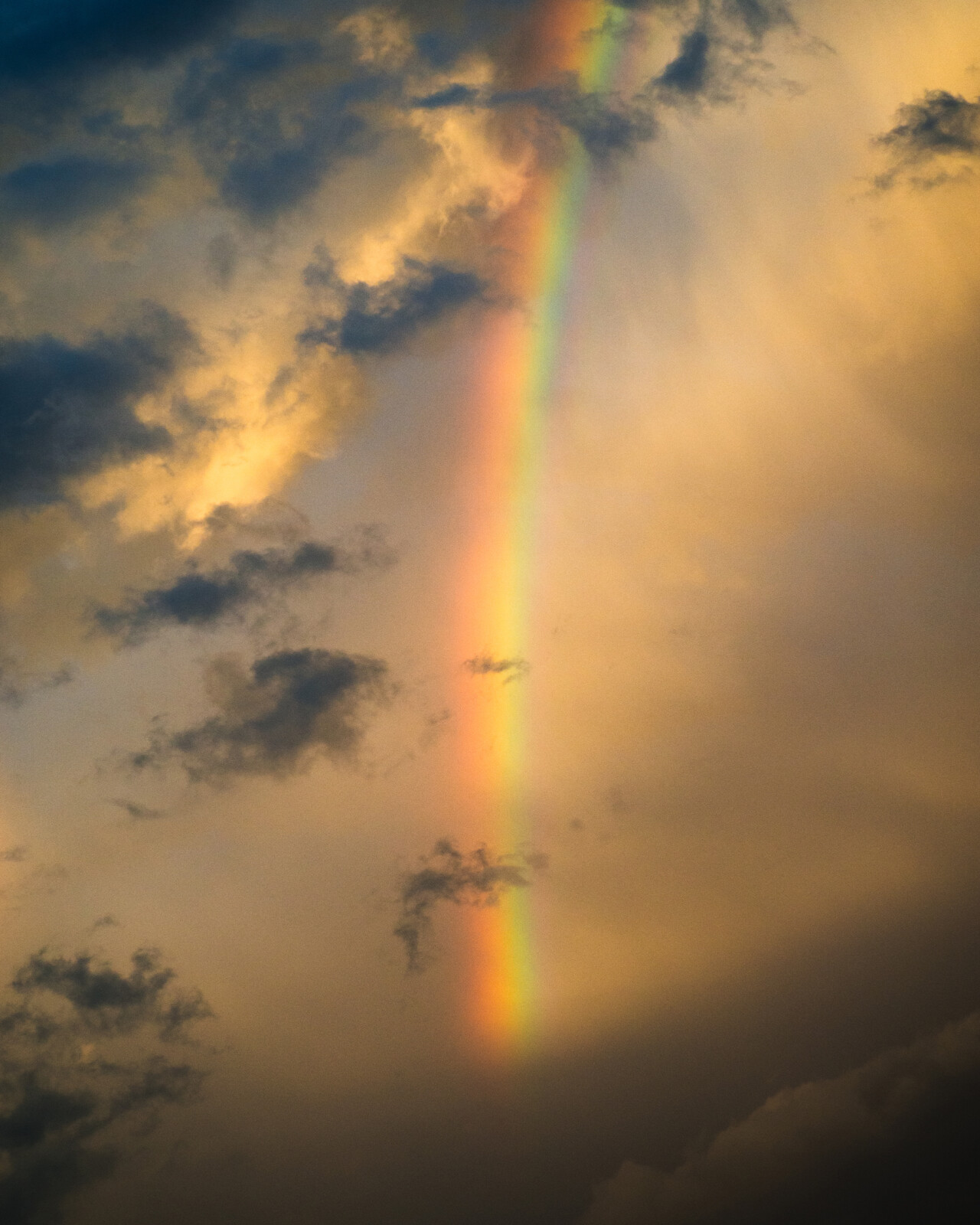
Few symbols seem more contrived than a rainbow, and yet what could be less so? A stroke of the universe’s virtuosity painted across the sky in the wake of weather, seemingly spontaneous, yet revealed through science’s lens to be a careful fresco of physics. Suspended fields of water droplets become imperceptible prisms, catching sunlight and refracting it into its component colors, bending the light that renders life visible into its many parts.
A rainbow is the opus of optical phenomena: Rather than existing at a fixed point in space, its appearance is dependent on where the observer is situated in relation to the sun or the source of light casting its shine. Even more elusive, the arc of a rainbow is not just an arc but a circle, the full curvature of which we can rarely grasp. With half obscured by the horizon, only from a higher elevation might one see for themself that the end of a rainbow is endless.
At a dinner party in December of 1817, the romantic poet John Keats raised his glass and echoed writer Charles Lamb’s decree that Sir Isaac Newton, who untangled the science behind rainbows around 150 years earlier, had “destroyed the poetry of the rainbow by reducing it to a prism.” Keats revisited this sentiment two years later in his poem “Lamia,” lamenting that science might dispossess nature of its magic and mystery, and thus “unweave a rainbow.”
How could science—which refracts reality into comprehensible parts, including how light can enter a suspended sea and emerge an arc of wonder—possibly diminish nature’s enchanting grandeur? And how could science be a threat to its poetry, when poetry is but another endeavor to unravel the world into smaller parts, the enormity of life dispersed through tiny droplets such as words? As Maria Popova says: “No: Science only magnifies the magic.”
It was Maria who first made me aware of Keats’ unimaginative take. We met at a loom on a farm, where she introduced herself by saying that I resemble another of the romantics: Mary Shelley, who created a creature called Frankenstein, its own assemblage of science and poetry. We were delighted to uncover a shared love for the magic of science, which Maria has chronicled over two decades on The Marginalian—a monumental record of humanity’s search for meaning.
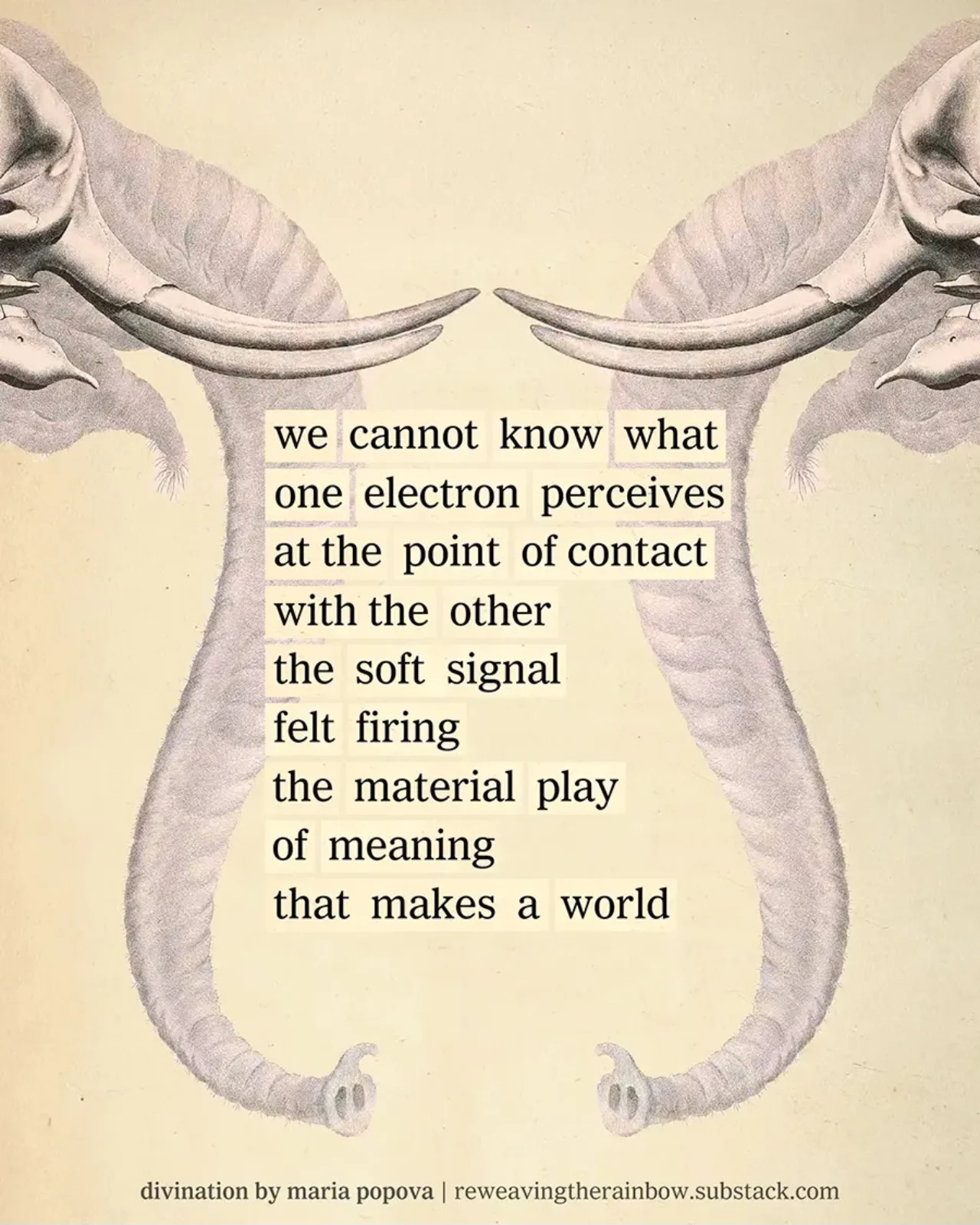
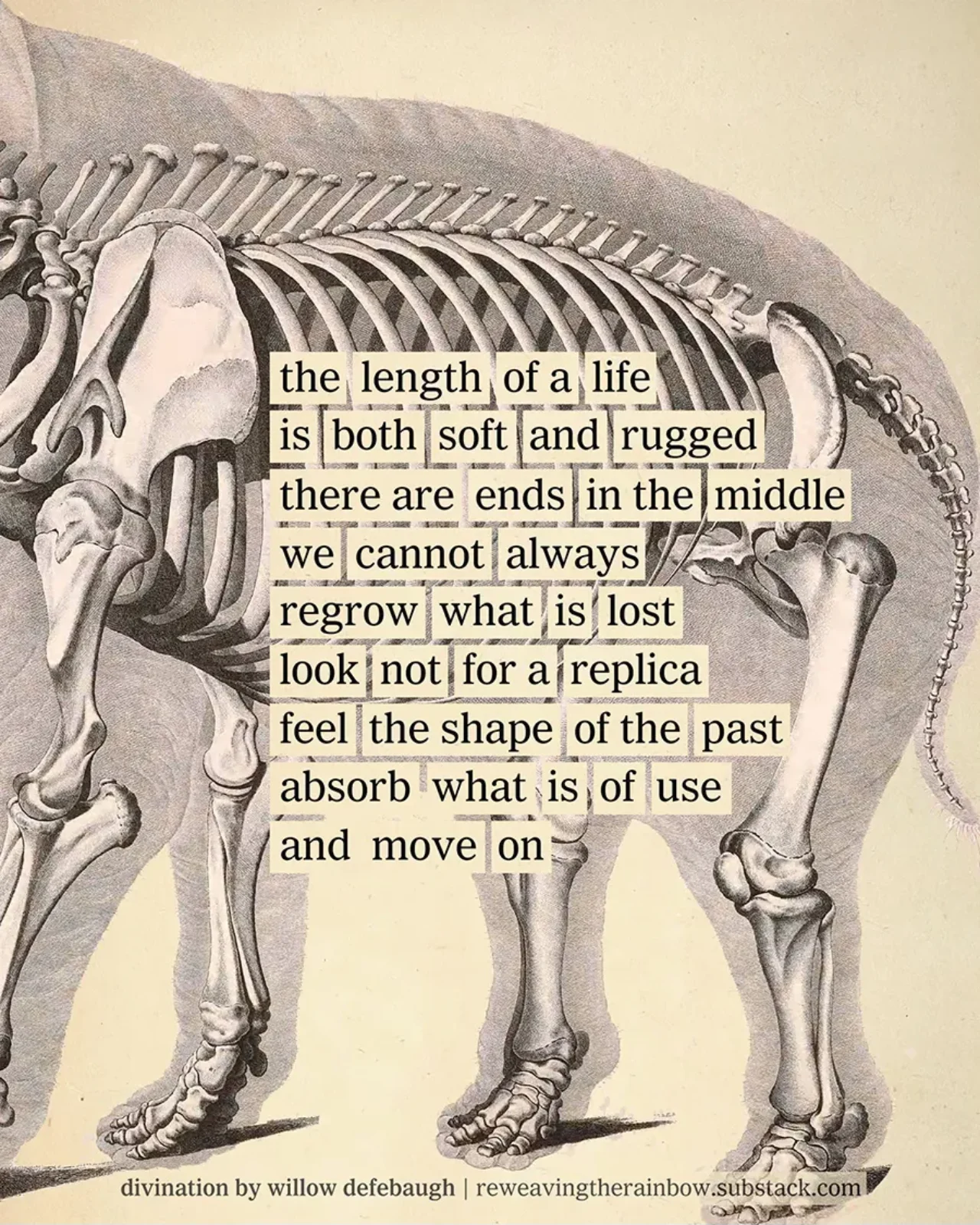
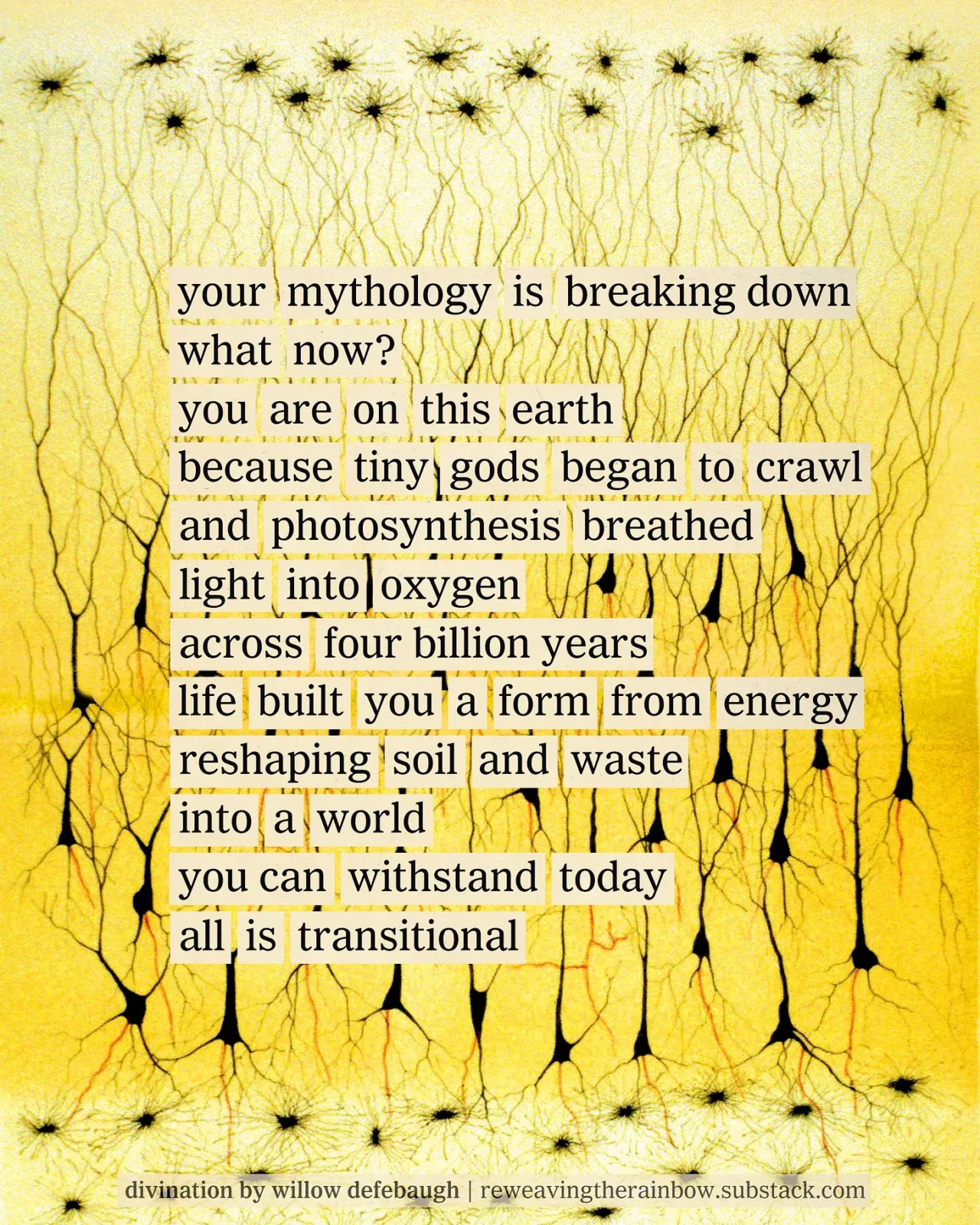
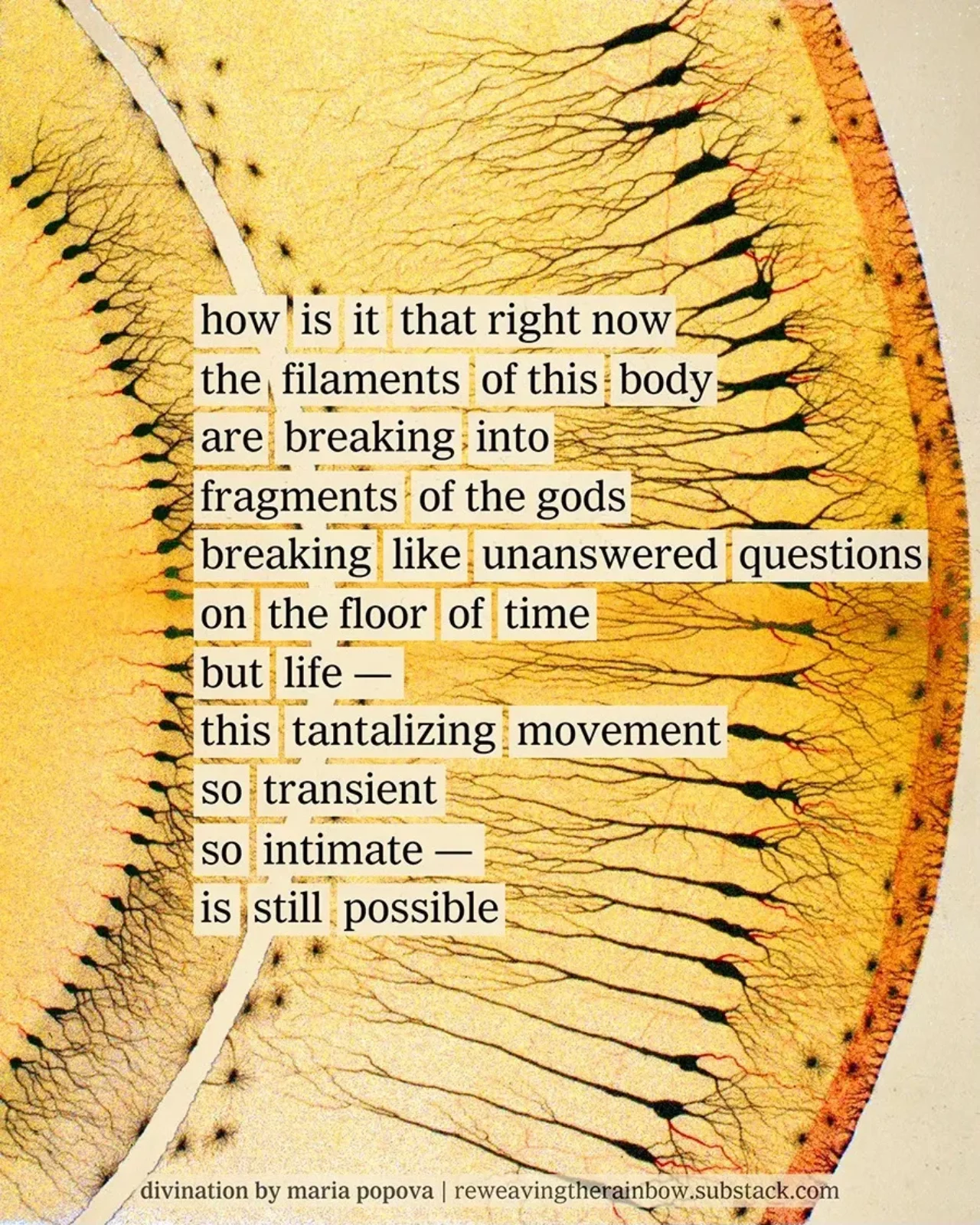
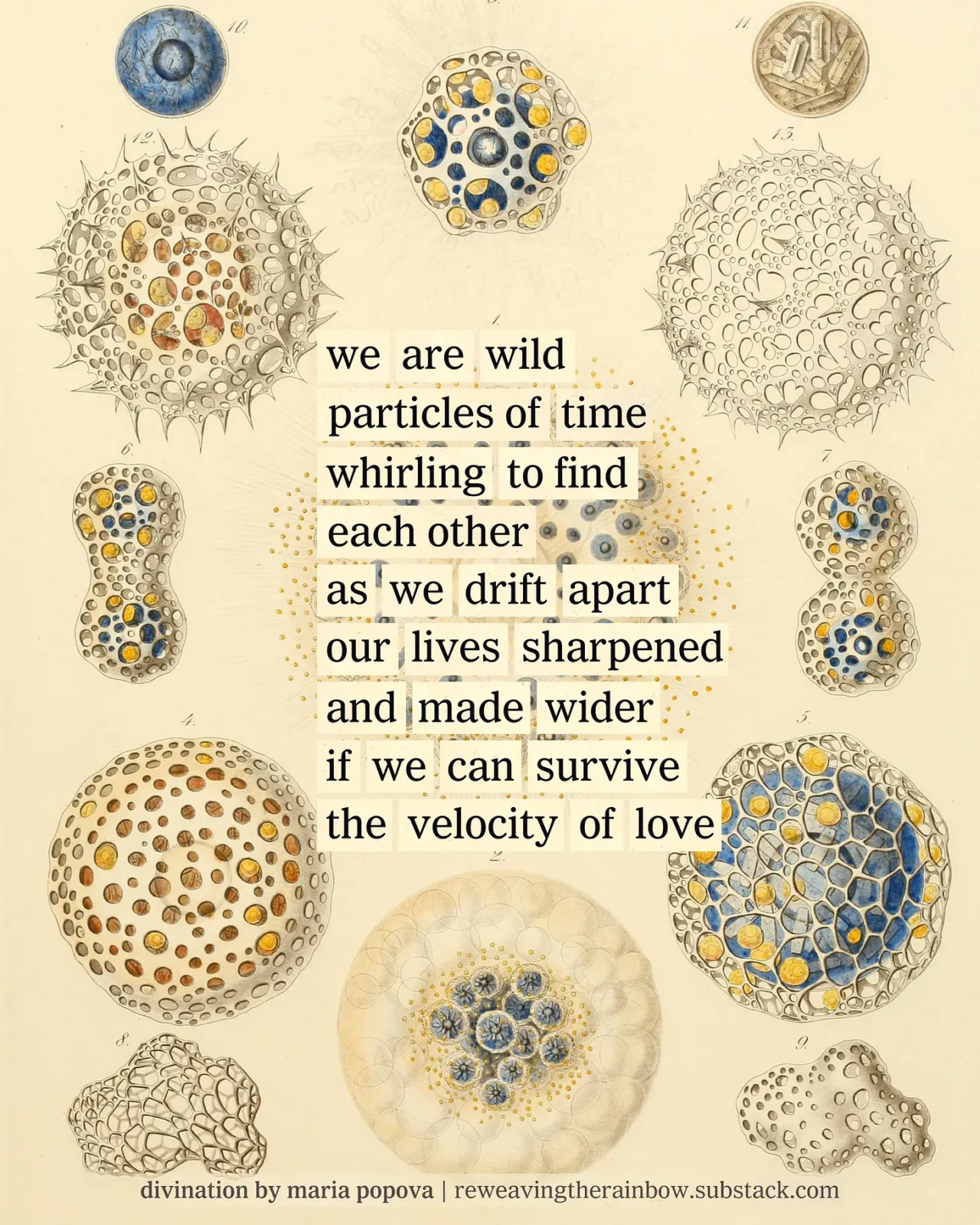
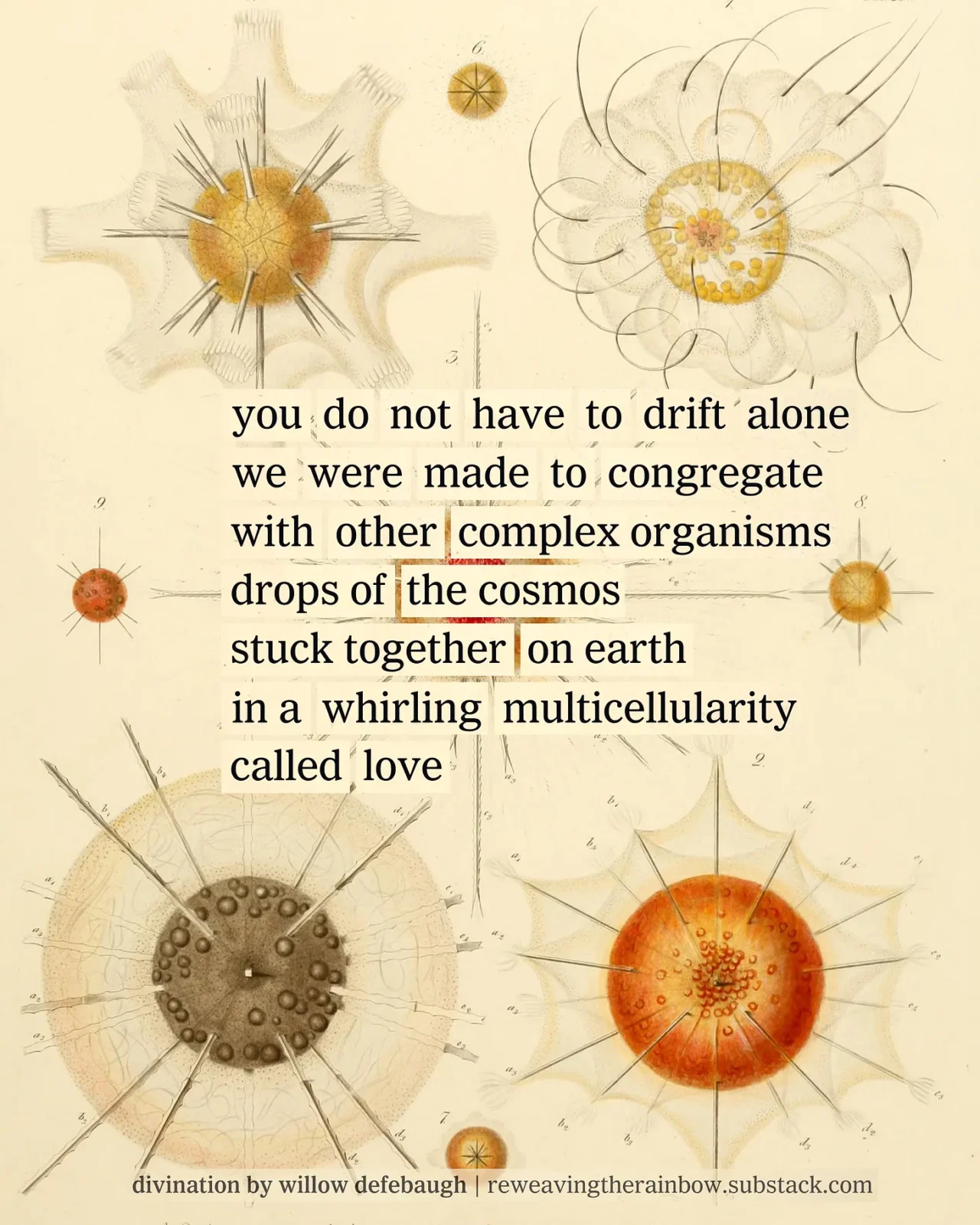
Maria was there leading a workshop based on her bird divinations, rearranging words from old ornithological books into poems. I was so taken with this practice that she proposed we start our own. Each weekend since, we have taken one science news article and written poems using only words from the text, revealing what “the subconscious wants to say to the mind” and exchanging the results. Now, we’re sharing them weekly in a free Substack called Reweaving the Rainbow. You can view a few of our favorites below.
The rainbow can never truly be unwoven, because a rainbow is itself the universe unwoven: threads of color spun from our stellar source of life, unspooled by an invisible loom. How lucky are we to have physics to understand how it works, and poetry to capture how it feels? Science is not an adversary of magic any more than language is of life: an anthology of our attempts to explain and articulate the ineffable, the full bend of which we may never know.
Join our membership community. Support our work, receive a complimentary subscription to Atmos Magazine, and more.
Reweaving the Rainbow