words by willow defebaugh
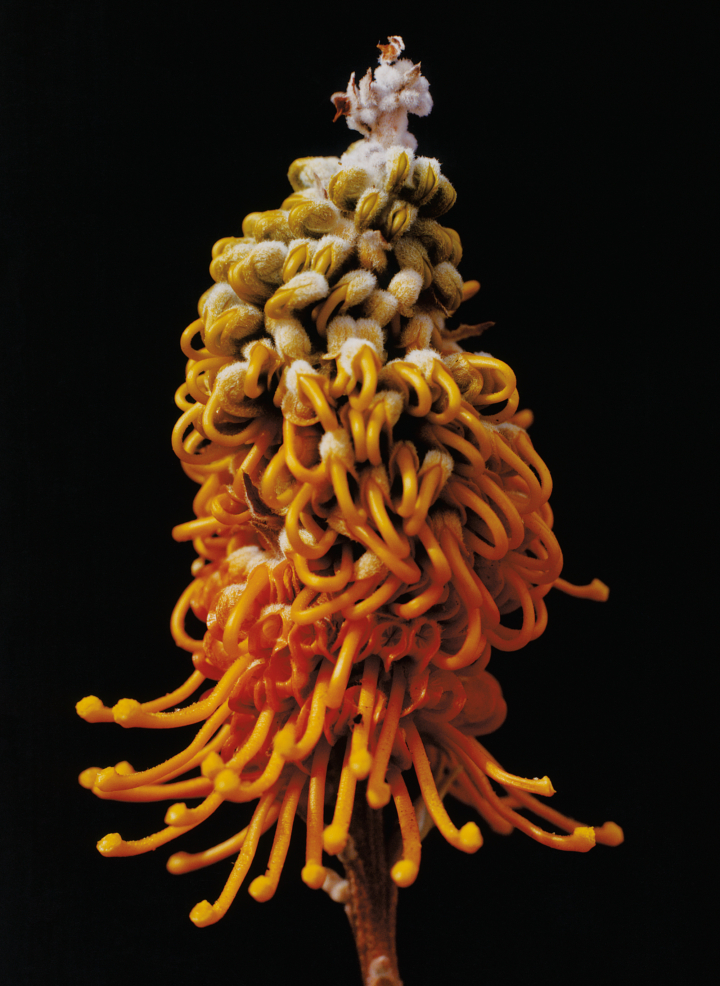
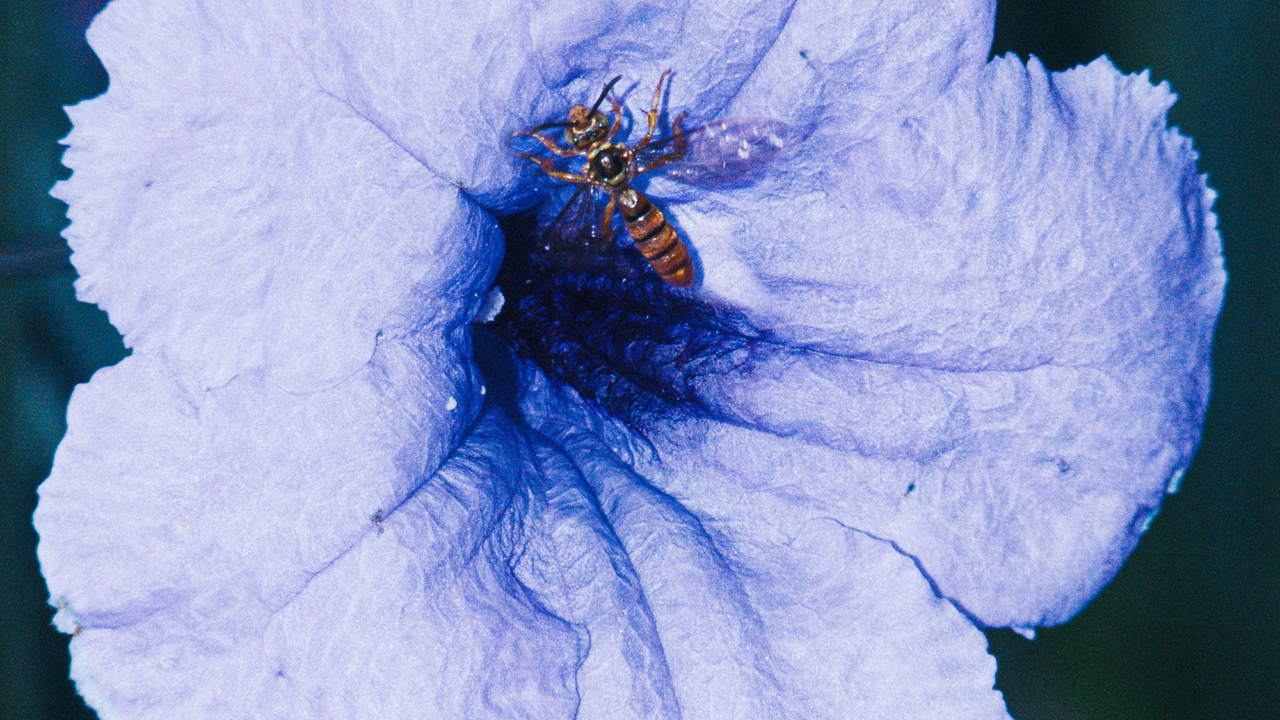
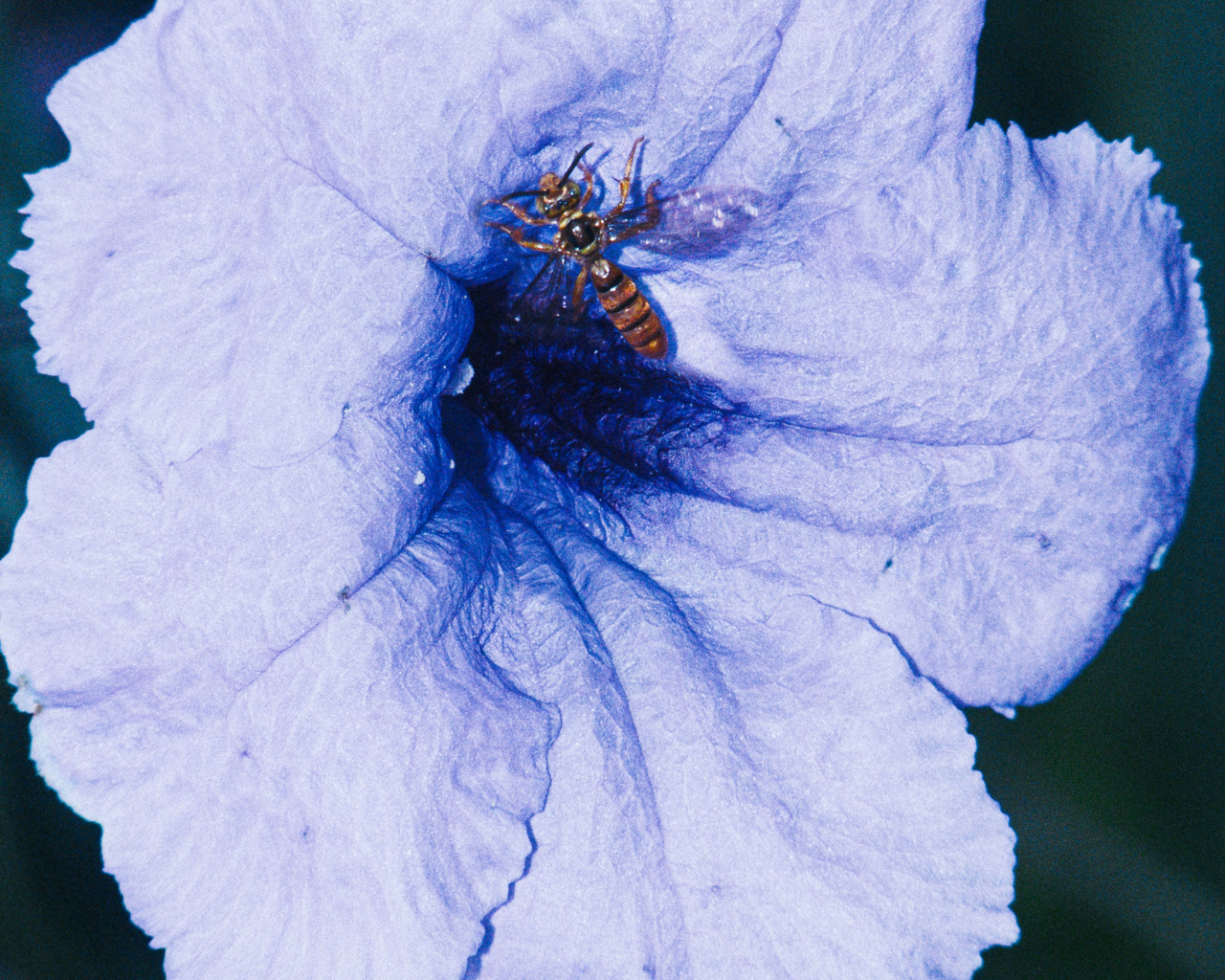
PHOTOGRAPH BY DANIEL SHEA
“Ideas at first are frail as seedlings, but they grow with time and tending. You never know which will bear fruit.” —Rebecca Solnit
A single grain of golden pollen carries within it a genetic blueprint: half of what is required to create a new generation. These schematics are encased in a protective armor called exine, which is one of the most resilient substances in nature, allowing the pollen to weather extreme heat, cold, and even burial underground. This unassuming grain is capable of feeding life—rich in fats and proteins, it sustains pollinators like birds and insects. It can also create life, should the encoded pollen land on a stigma where fertilization occurs, a union that bears fruits or seeds.
Ideas are not so different. They have humble beginnings: synapses firing in a brain, encrypted in thought, protected by bone. Should we find the courage to offer them, they are carried on the wings of words and stories—ones that inspire and nourish other beings. Depending on where they land, through collaboration, our imaginings might create new containers for life, seeding the next generation. I believe this is the work of our lifetimes: to pollinate a thriving future.
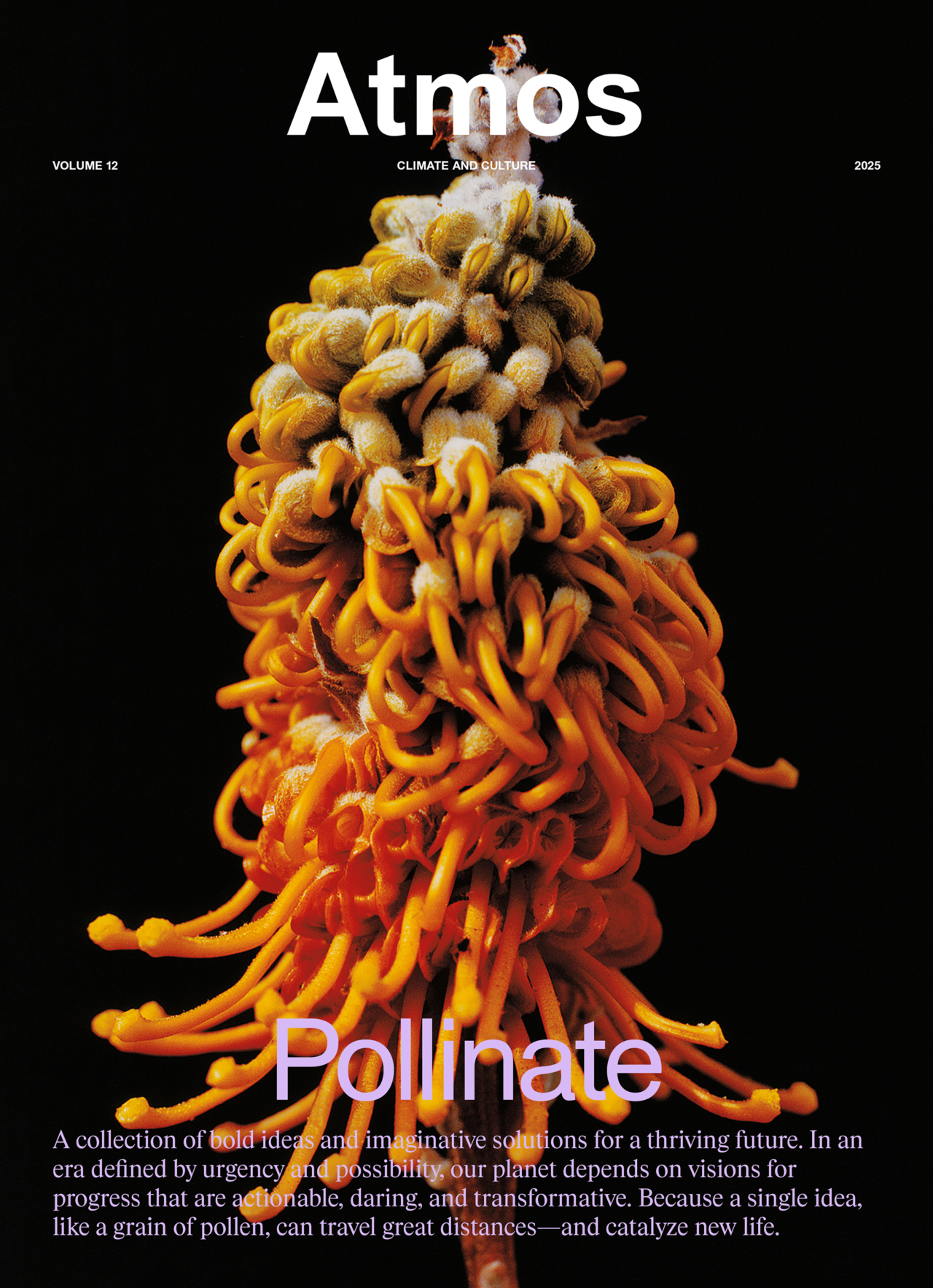
It is also the heart of our new issue, which is available for purchase here. In a time where our future depends on bold dreaming, Atmos Volume 12 gathers ideas we believe in pollinating—visions for climate and cultural progress that are actionable, daring, and transformative. Our intention was simple: to gather many grains of thought and scatter them to the wind, in the hopes that they might sprout new life. Each story centers around an audacious and achievable idea that reimagines the world as we know it.
In “The Earth Demands Counsel,” MOTH’s César Rodríguez-Garavito and Jacqueline Gallant raise the question: What if more-than-human life had legal rights, too? They describe how reimagining the law—which is, in itself, imaginal architecture—can help reshape our relationship with the rest of nature. Because, as Rodríguez-Garavito put it: “Unless the biosphere, the Earth as a whole that we’re embedded in, the forms of life that we’re entangled in—unless all of that is protected, we as humans don’t stand a chance of thriving.”
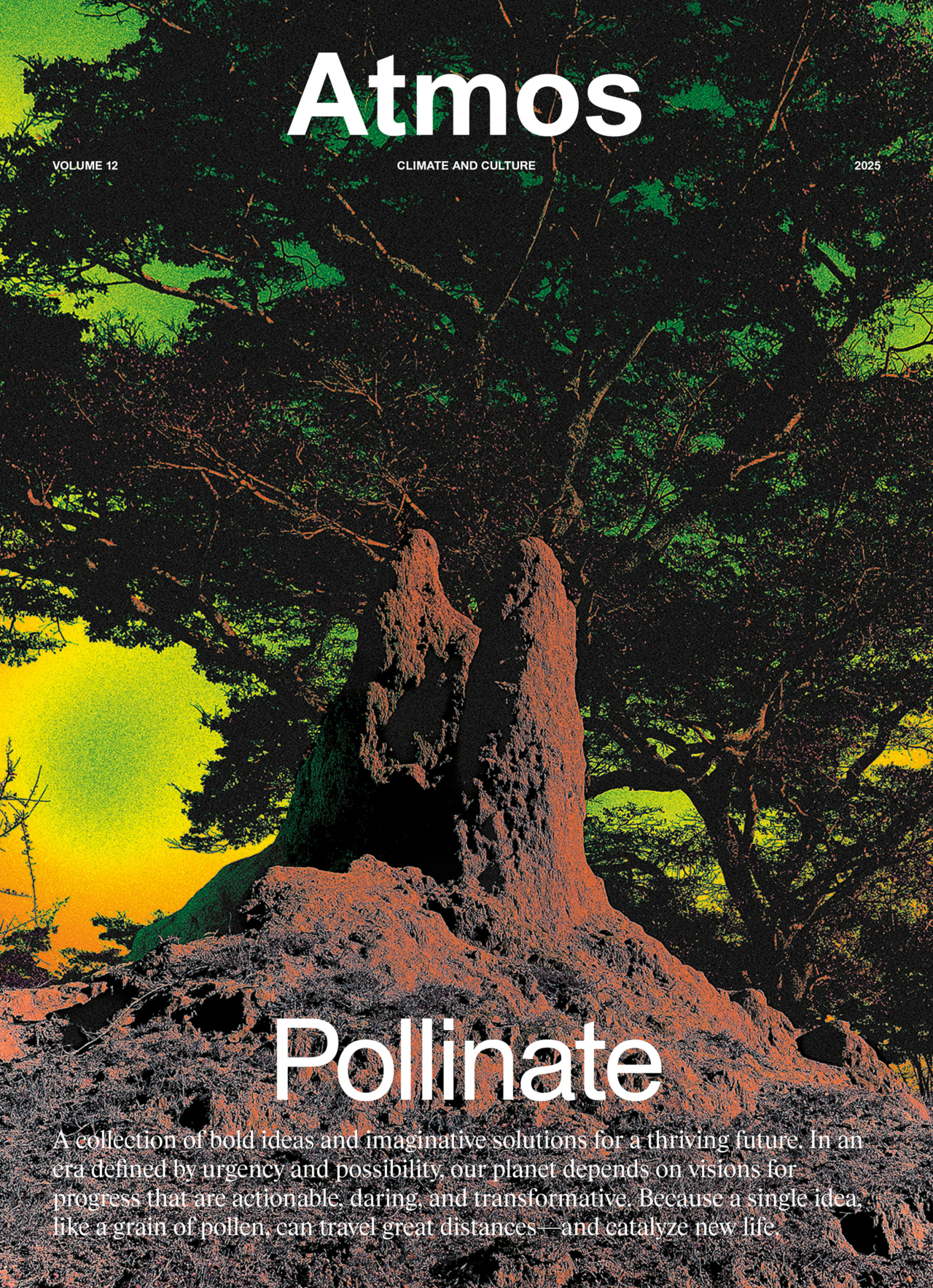
Another story focuses on redesigning the literal structures we live within. In “Architecting the Future With Biomimicry,” Amanda Sturgeon of the Biomimicry Institute advocates using nature’s genius to transform our built environment, citing inspiring examples of buildings that function like termite mounds or Douglas fir trees. As she explained, “If we look to nature, we will find systemic solutions that create conditions conducive to all life.”
Other ideas contained within this issue widen the scope of imagination even further. Award-winning storyteller Baratunde Thurston’s “Declarations of Interdependence” is a rallying cry to move beyond independence as the defining story of America, to a story of reciprocity. He calls on the wisdom of elders from the Haudenosaunee Confederacy, who have long lived by ecological democracy. Interdependence, as he explained, is a reorientation: “from relationships built on hierarchy and transaction to ones rooted in reciprocity; from governance that concentrates power in the hands of the few to governance that liberates the many.”
These are just a few of the many grains of pollen that dust the pages of this issue. As a reader, you have a part to play in their dissemination. I hope they stick to your limbs, that they feed and inspire you to spread them so that a new generation can germinate. We can see the problems that have proliferated in our world as overwhelming, or we can see them as an opportunity to reshape the imaginal structures we live within—to pollinate new ways of being human and let life bloom.
This story first appeared in Atmos Volume 12: Pollinate with the headline, “Editor’s Letter.”
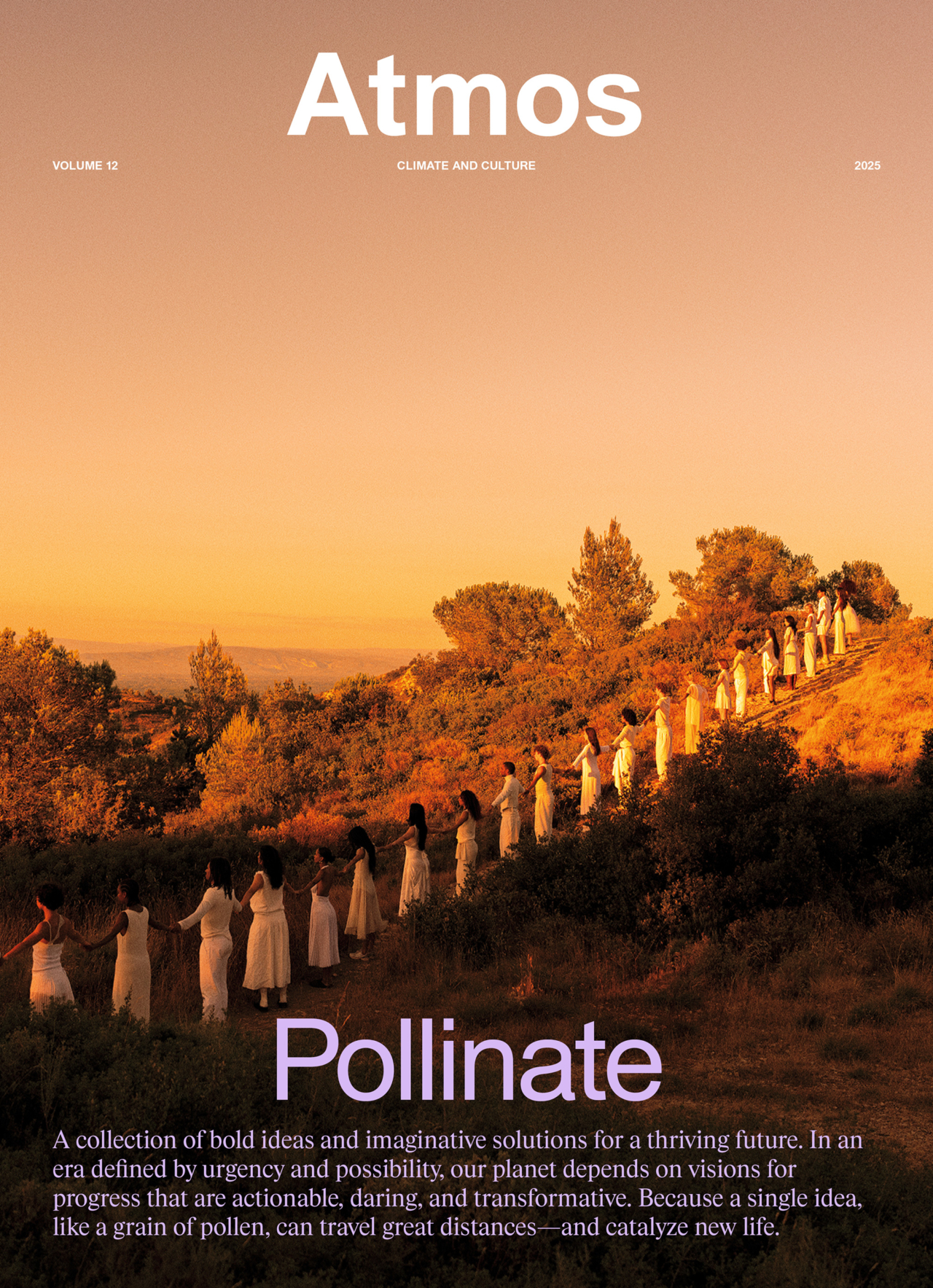
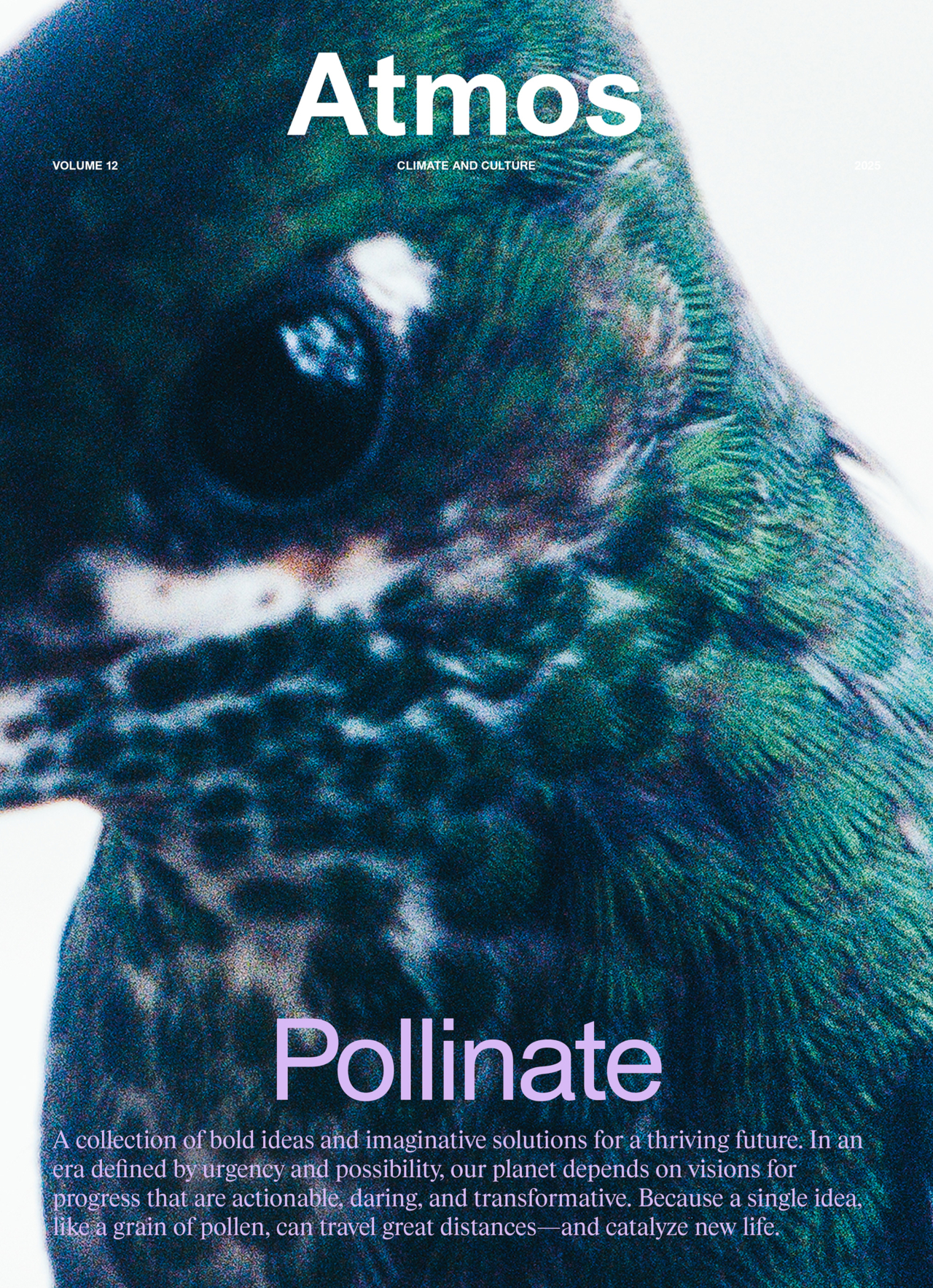
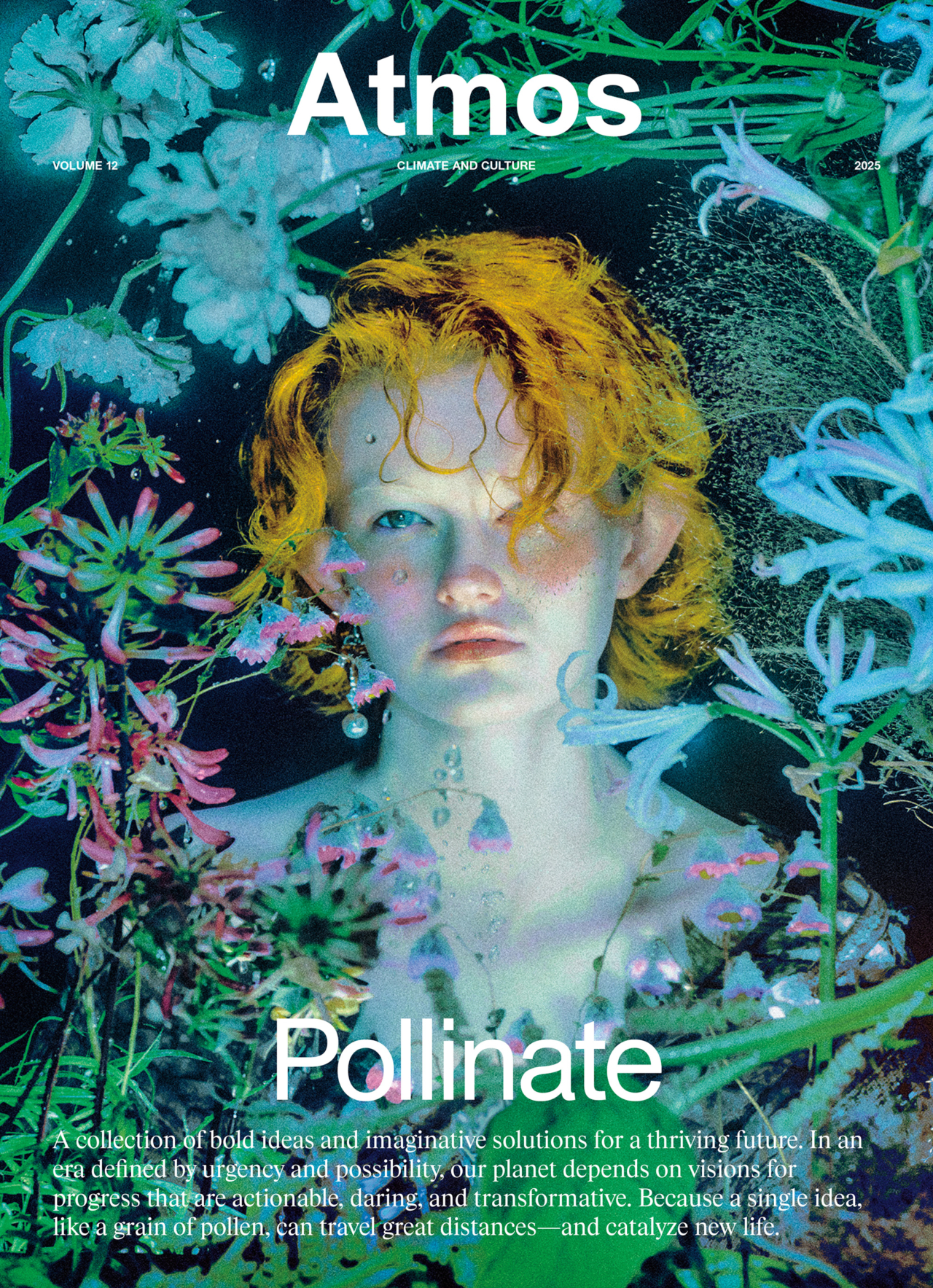
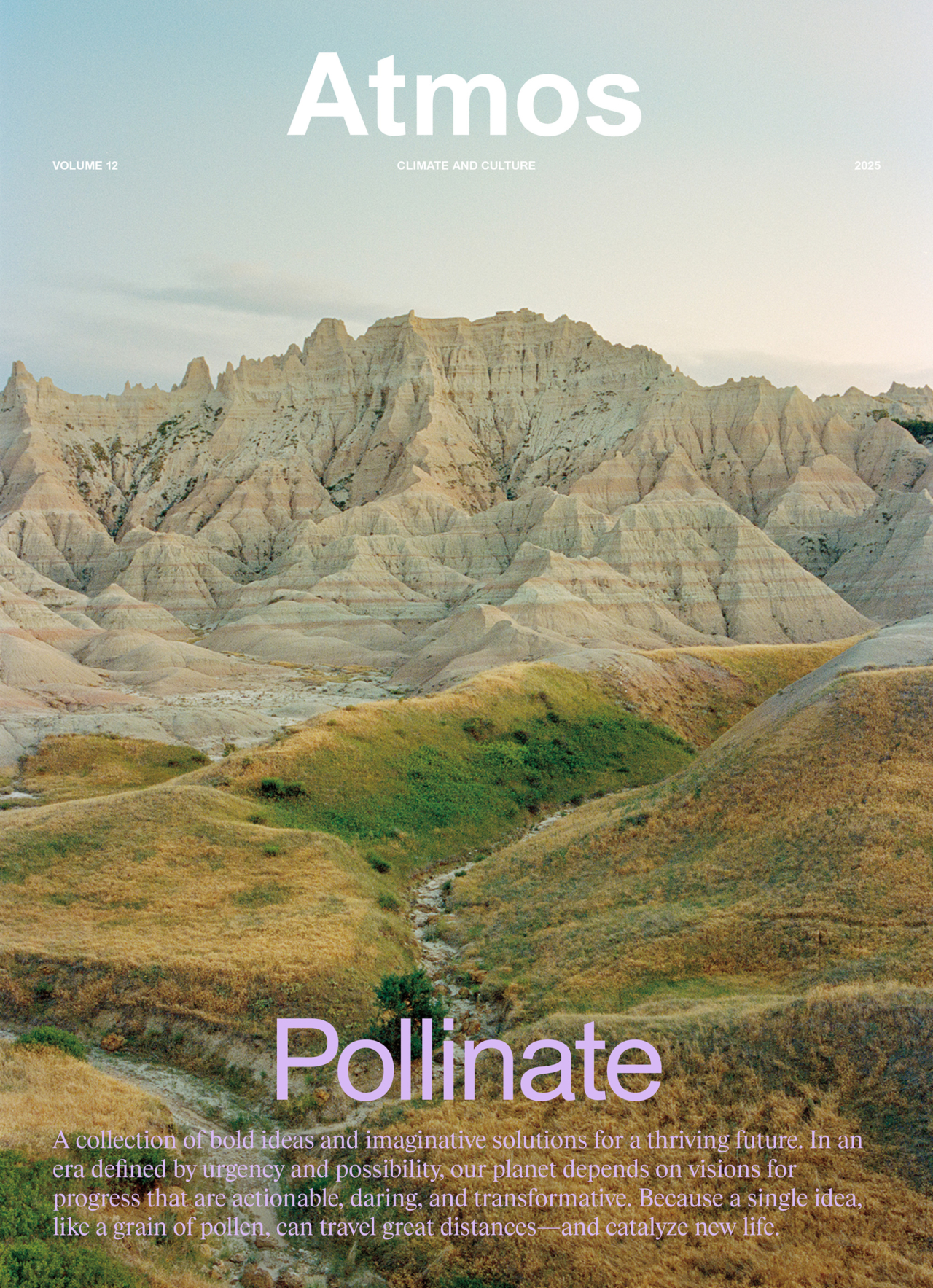
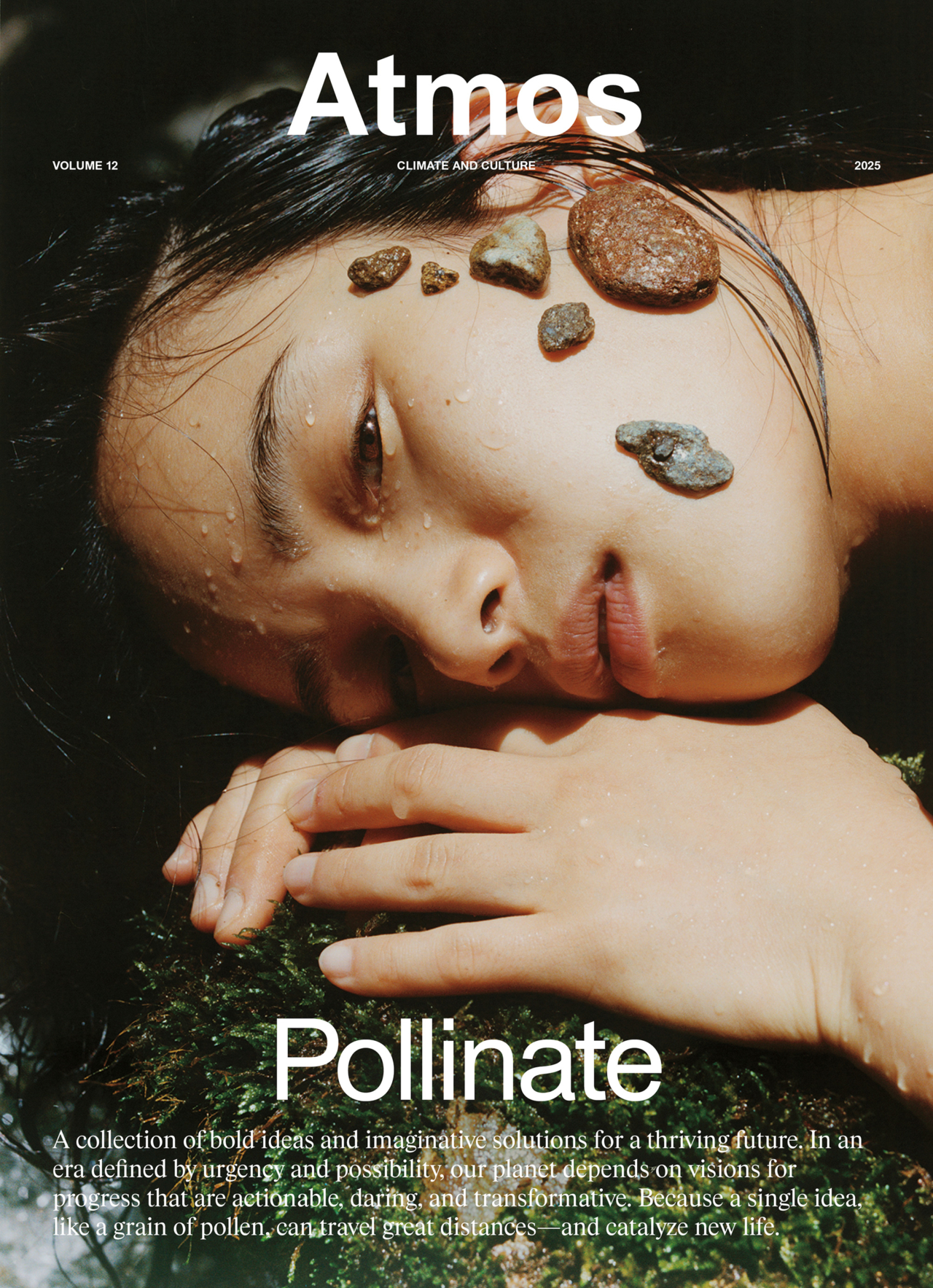
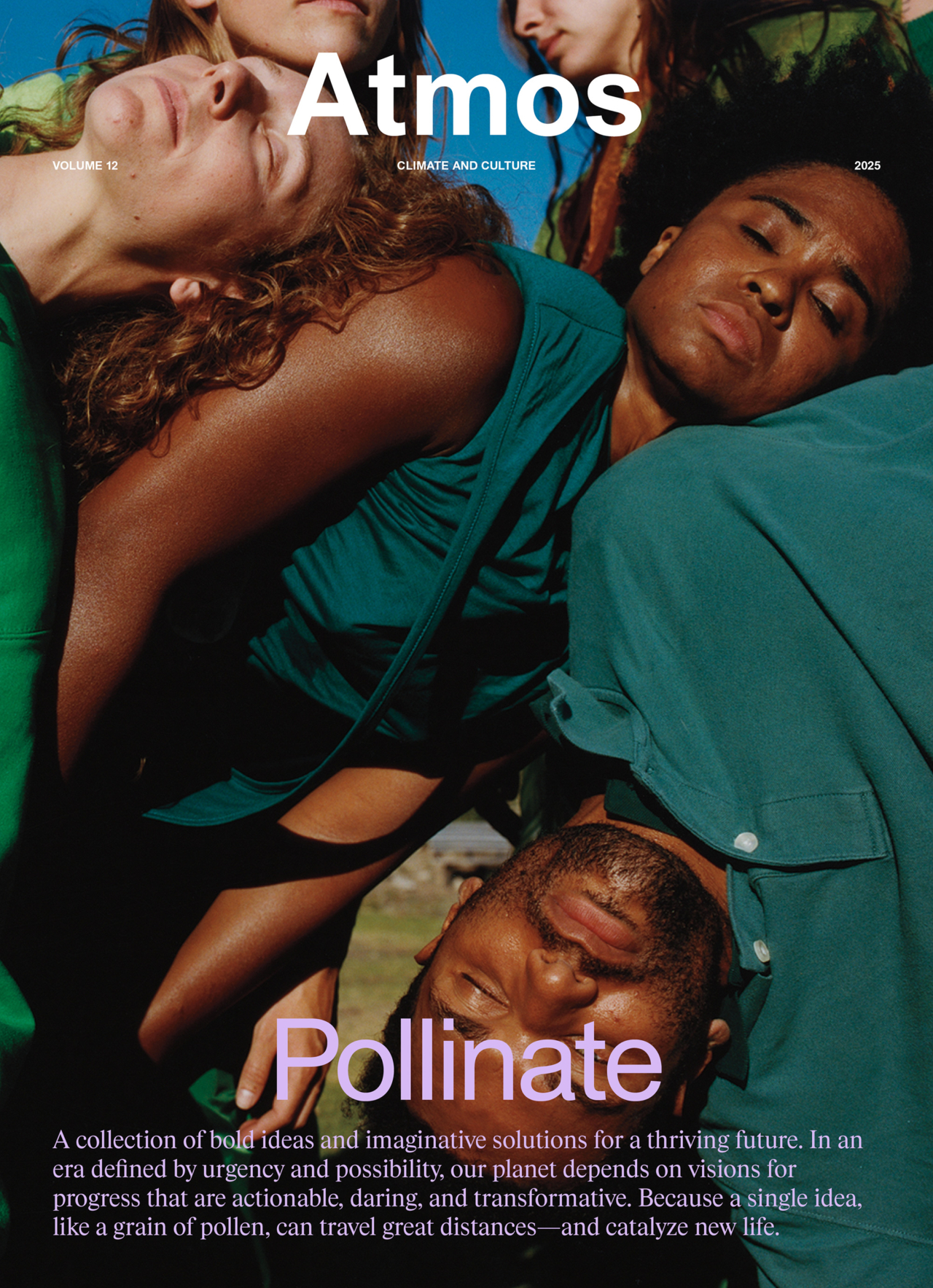
A collection of bold ideas and imaginative solutions for a thriving future. In an era defined by urgency and possibility, our planet depends on visions for progress that are actionable, daring, and transformative. Because a single idea, like a grain of pollen, can travel great distances—and catalyze new life.
Pollinating the Future