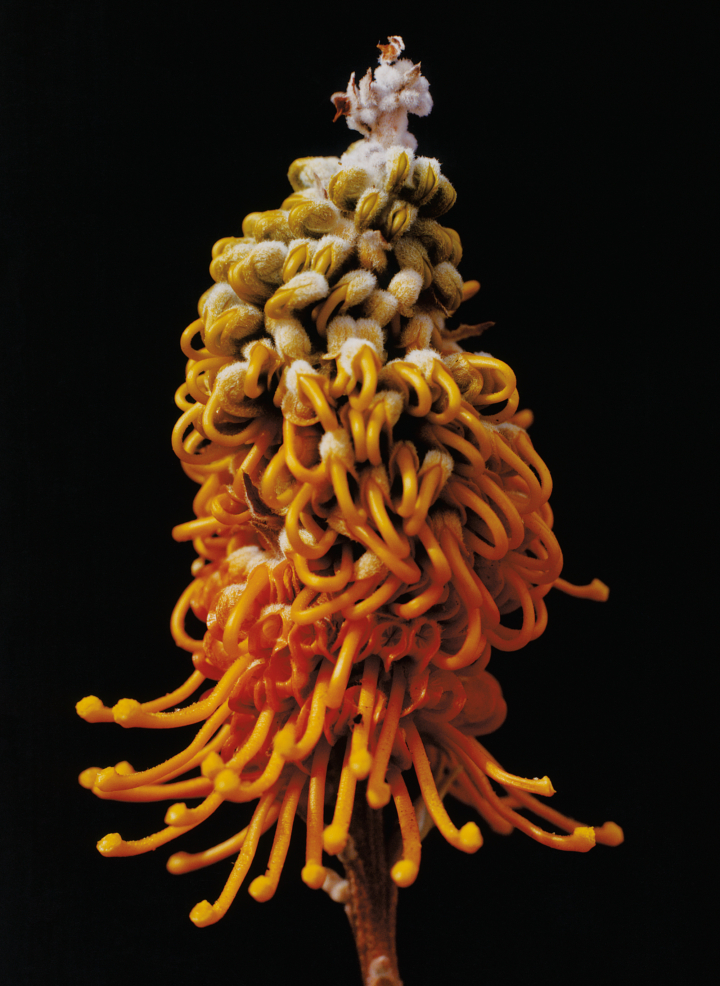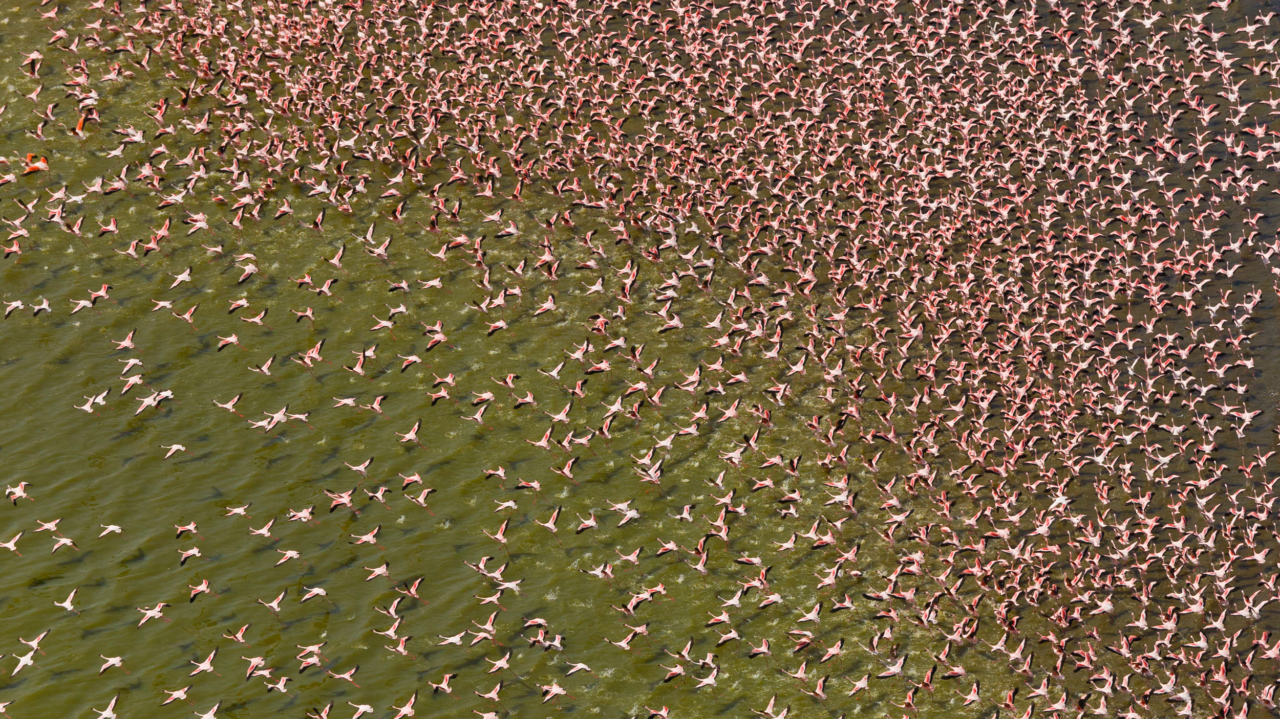
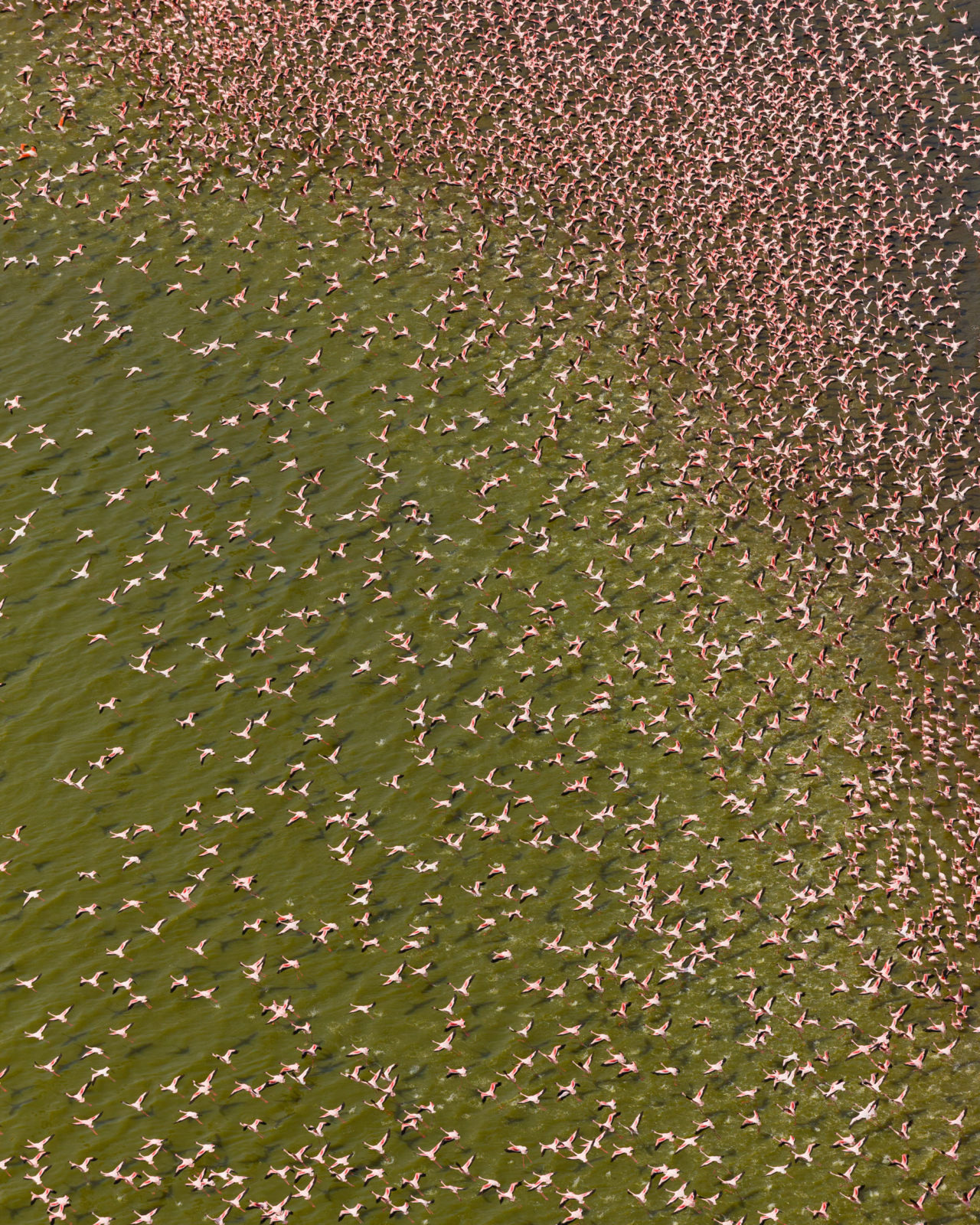
Photograph by Juan Carlos Munoz / NaturePL
words by willow defebaugh
“Our lives are not our own. We are bound to others, past and present, and by each crime and every kindness, we birth our future.” ―David Mitchell, Cloud Atlas
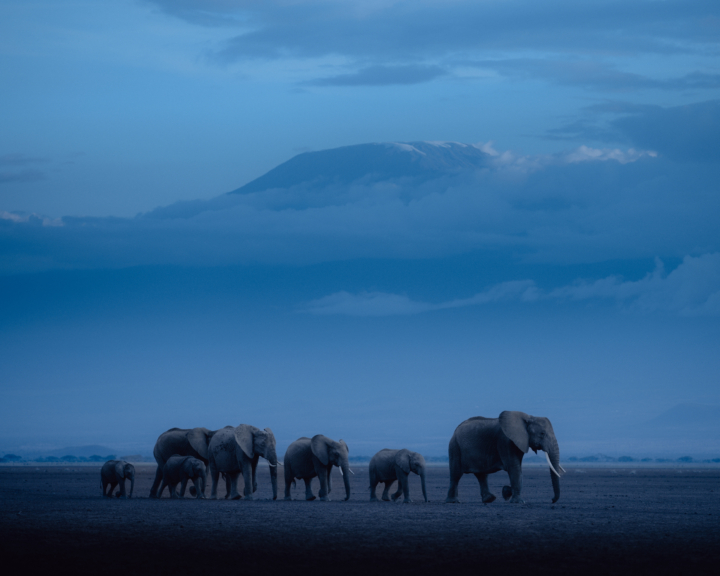
Life happens in relationship. This is a lesson I have learned again and again, but has felt particularly germane during these times in which many public health officials and mental health professionals have described loneliness as a modern epidemic. We are social creatures, and we aren’t alone. The iridescent shimmer of a charm of hummingbirds fluttering around a garden, the ethereal beauty of a bloom of jellyfish swaying in the water: More than just the whimsical names we give them, there is a specific kind of magic that emerges when animals gather.
A murder of crows. With their midnight wings and starless eyes, crows are among the most intelligent animals in the world—capable of problem solving and basic geometry, long-term facial recognition, and generational learning. Of all their behavior, what marvels most is that they have been observed holding funerals for the dead: gathering around their fallen kin and even placing objects on the body. While admittedly morbid, there is a tenderness beneath their macabre reputation, as if they know that grief need not be felt alone.
A confusion of wildebeest. Some group behavior is more closely linked to survival. Every year, 1.2 million wildebeest move through the Serengeti–Mara. Their migration is decentralized; rather than leaders, they follow rainfall and grass growth. Some 500,000 calves are birthed synchronistically in just three weeks, allowing the herd to quickly scale and overwhelm predators by number. Wildebeest earn their moniker by moving in vast, unpredictable unison to confuse any would-be attackers. They find safety in numbers—and chaos.
A flamboyance of flamingos. Seas of pink signal the presence of flamingos, who flock together in the thousands for safety. When breeding season arrives, they can be seen performing elaborately synchronized mating dances. Many flamingos choose long-term partnerships, not only for mating but also friendship. Within the larger group, they have been studied forming smaller friend circles of five or six like-minded birds which improve their chances of survival. More than just the quantity, it’s also the quality of relationships that matter.
A shrewdness of apes. Given how close these ancestors are to humans, it should come as little surprise that apes form complex social structures, varying from species to species. Mountain gorillas are led by a silverback male leader who organizes the troop’s day-to-day activities. Chimpanzees form strategic coalitions, clashing for power in towering treetop hierarchies. Bonobo societies, meanwhile, are led by females and use sociosexual interactions to fortify bonds and prevent conflict. Keen judgment can be its own power.
A murmuration of starlings. Few displays are as mesmerizing as the synchronicity of starlings, who ripple through the sky as if of one mind. The secret to their elaborately orchestrated dance is that each bird focuses on the seven surrounding it, which scientists think may be as many as their brains can handle while conducting flight. In finding alignment with just their immediate neighbors, mass mobilization suddenly becomes possible. This happens not through leadership, planning, or even communication—just a devoted dance of avoidance and attention.
We are living in an age of illusory connectedness, when time online acts as a deceptive stand-in for togetherness. But it’s not enough. Our animal kin reveal countless ways and reasons to be in community: to find safety and survival, to mourn and love. Fortifying our relationships—both with one another and with the more-than-human world—is a counterspell to the glamour of individualism and loneliness of the anthropocene. The shape of connection may vary, but the need for it is universal. Because in nature as in life, nothing exists in isolation.
Join our membership community. Support our work, receive a complimentary subscription to Atmos Magazine, and more.
On Murders, Murmurations, and Other Ways of Being Together