words by willow defebaugh
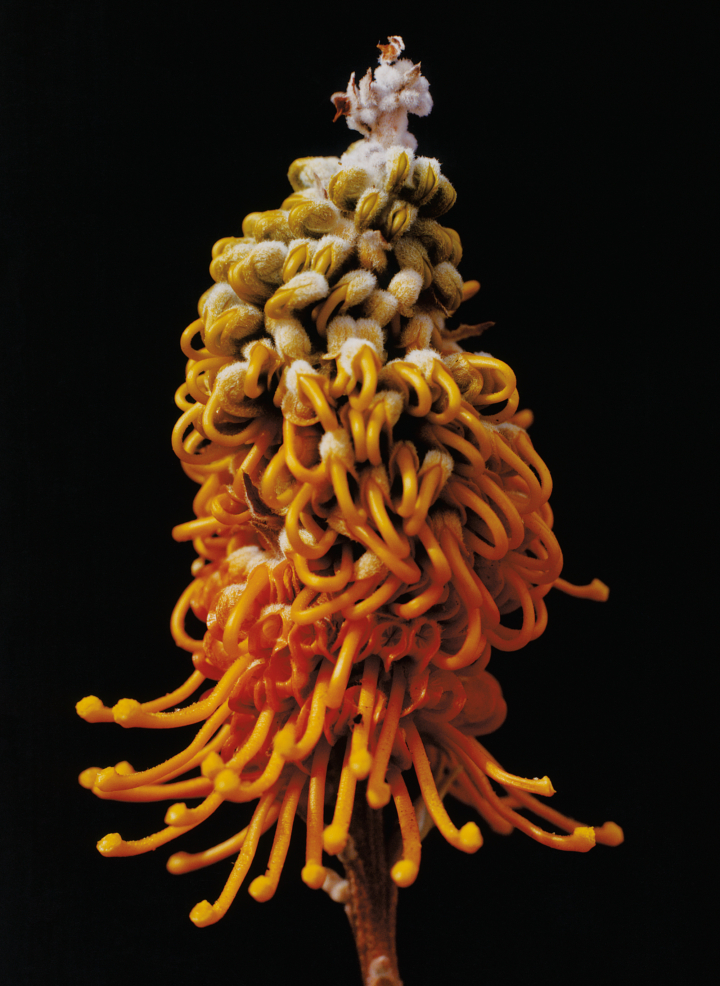
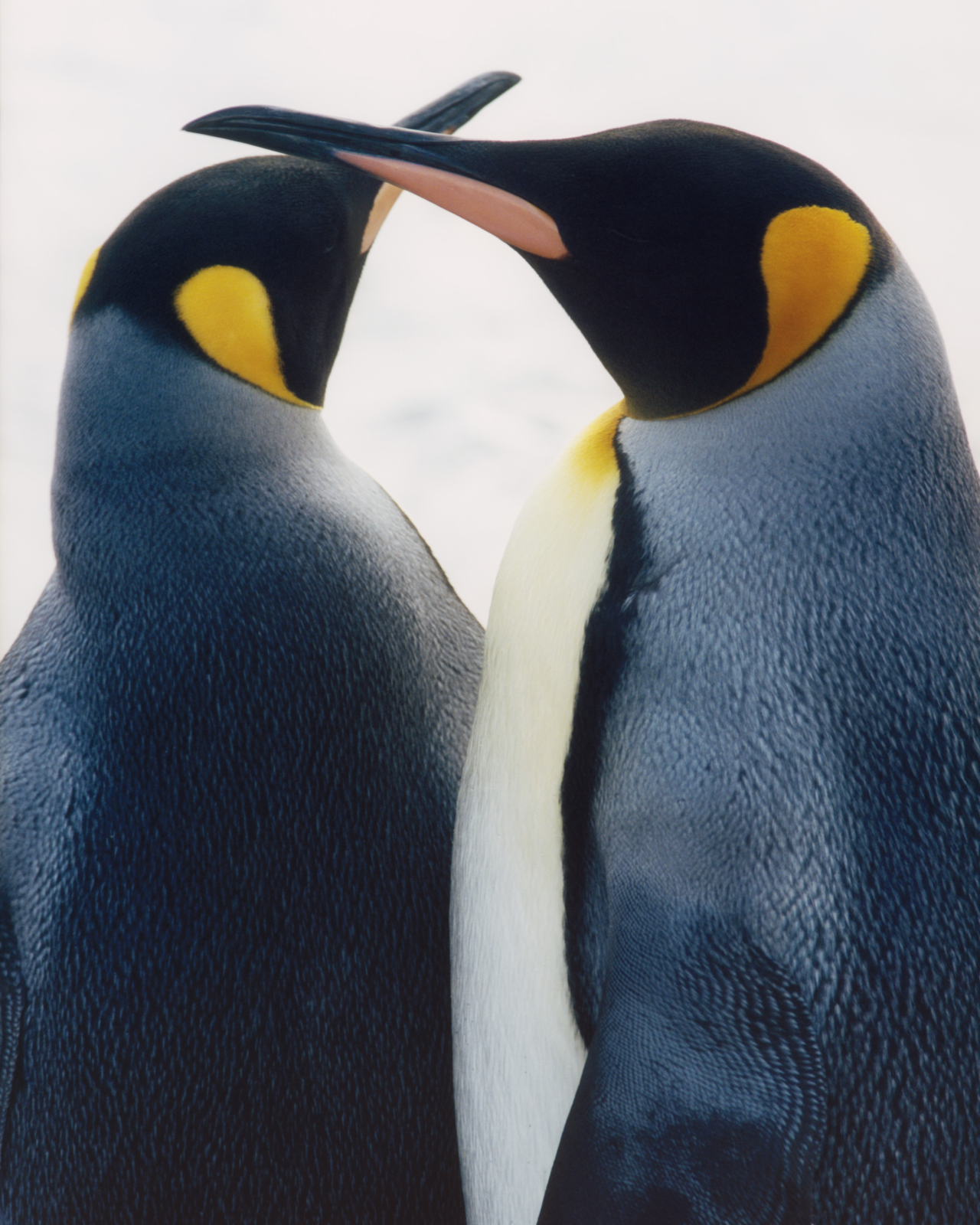
photograph by jacques brun
“When we have to accept and keep a job that doesn’t inspire or feel meaningful in the least, for the purposes of survival and caring for our family, what can nature teach us about sacrifice? And relatedly, are there examples in nature of beings who create with no obvious purpose, the way humans have hobbies to express their creative instinct?”
—Reader query
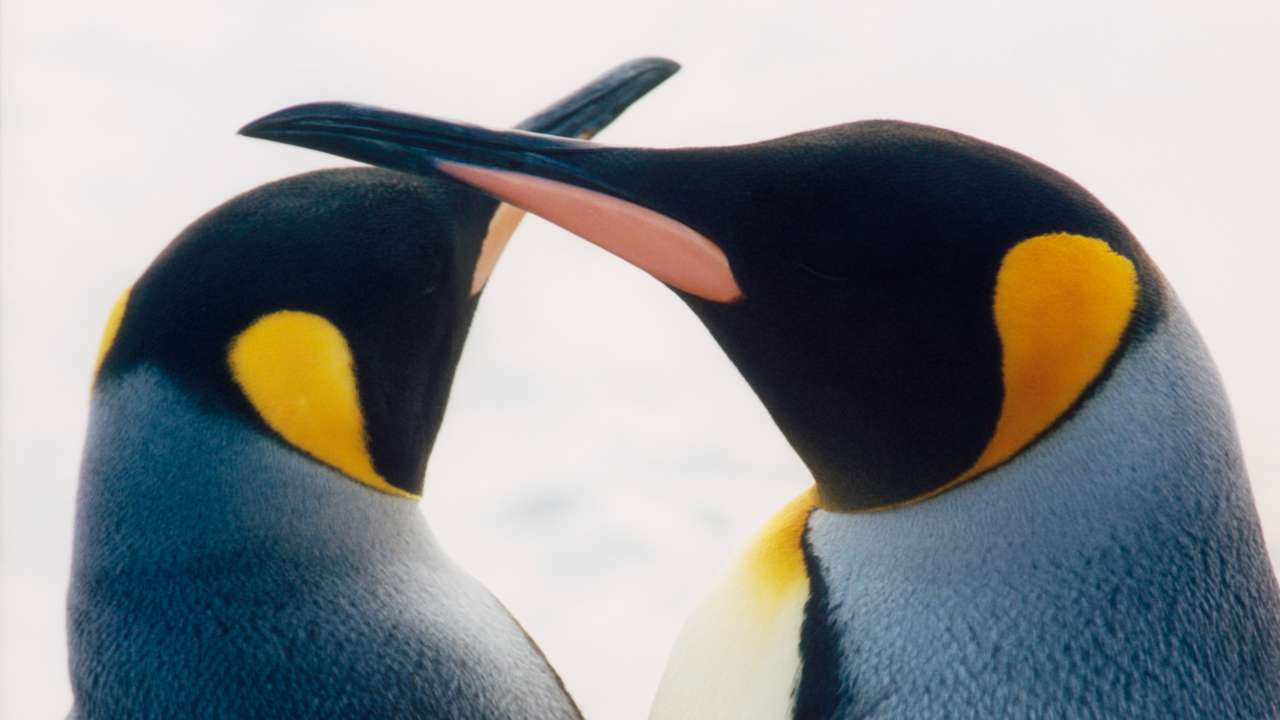
In Antarctica, after a pair of emperor penguins mate, the female produces a single egg. If she wants to survive the toll this takes, she must leave for the ocean to feed while the male stays with the egg. Should it touch the ice for even minutes, it will die. So he balances the egg on his feet under a brood pouch, fasting for two to four months in the −58 degrees Fahrenheit cold and 124-mph winds. Many lose nearly half their body weight. Purpose can feel like standing still.
A worker honeybee earns her title with a lifetime of labor. Functionally sterile, she will never raise young of her own. Instead, she cleans cells, feeds larvae, attends the queen, makes wax to build honeycomb, and fans her wings to cool the hive. Only at the end of her life does she leave to forage, traveling miles for nectar she herself will never taste. Each small task is an act of oblation for a larger living whole: the hive, and a shared future she will never see.
On the ocean floor, a giant Pacific octopus mother lays thousands of eggs in her den. For six to 10 months, she guards her offspring, aerates them with water currents, and cleans them constantly. Then, a release of hormones causes a death spiral: refusing to eat, she slowly starves to death and even bludgeons herself against rocks. Why? Because octopuses are cannibals, this ensures mothers do not eat each other’s (or their own) kin. Sacrifice is written into their biology.
Creativity exists in nature, too. Flowers and shells, berries and beetlewings, glass and bottlecaps—all are artistic ingredients for male satin bowerbirds. They are architects of aesthetics, collecting soft-colored objects to build elaborate constructs known as bowers. No young are raised in these structures. Rather than nests, they are built to attract females. While this does serve a purpose, it’s no less an example of creative instinct driving their work.
I can’t say whether tedium ever befalls an emperor penguin or if octopuses ever doubt their choices when the hour grows hungry—whether honeybees dream of a life beyond the hive or if bowerbirds ever question their artistic endeavors. Nor do I think there’s anything I could say that would ease the wintry ache of doldrum, when the days feel long and inspiration is in short supply. But I do think notions of purpose and what work is meaningful should be interrogated.
I feel grateful that I get to do work that inspires me. That doesn’t mean it doesn’t feel like work some days, or that it has not required sacrifices. We have to compost this notion that if you love what you do, you’ll never work a day in your life. Throughout history, whether in capitalist or socialist societies, most people have worked. What’s insidious about modern culture is the idea that purpose can only be found in our jobs, rather than the lives we touch and the seeds we plant.
Work is a human construct. For other species, there’s just life: trying to survive, providing for kin, ensuring continuity, finding companionship. Many of these stories involve sacrifice. And what does sacrifice mean if not to make sacred? When someone gives you a gift, is it the gift that’s meaningful, or is it the time and resources they gave up for you? Is life itself not the greatest gift then—and if so, what could be more meaningful than giving back to it?
Join our membership community. Support our work, receive a complimentary subscription to Atmos Magazine, and more.
Labor of Love: Lessons from Nature on Sacrifice