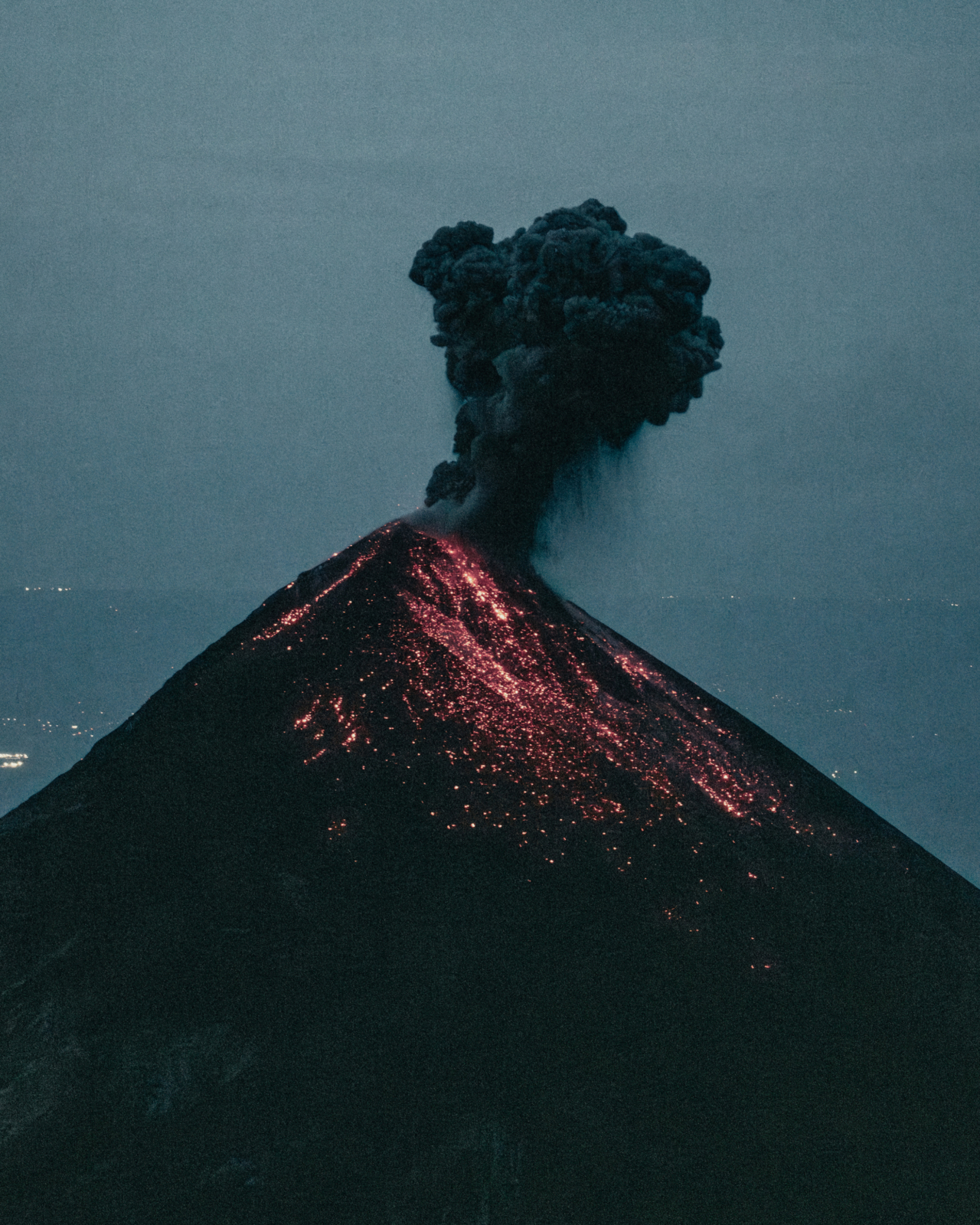
Photograph by Ain Raadik / Kintzing
words by willow defebaugh
“The most incomprehensible thing about the universe is that it is comprehensible.”
—Albert Einstein
It is extraordinary that you are here, made even more so by the fact that there even is a here: a universe that appears fine-tuned for the unlikely lottery of existence. If any of physics’s fundamental constants were even remotely different, it wouldn’t be. If gravity were slightly stronger, stars might snuff out too quickly for planets to form; if it were weaker, matter might never turn into stars in the first place. We are each born on the paper-thin edge of improbability, from which came a cosmos with laws capable of building the blocks of life.
From those blocks came our solar system, a swirling nebula of cosmic dust and gas that collapsed into a sun and disc of debris. That wandering rubble congregated into pebbles, into boulders, into a planet, the only home we’ve ever known. For it to even become such, it had to be perfectly positioned relative to that furnace of energy and possibility we call the sun. Scientists refer to this as the habitable zone: the sweet spot where temperatures would not be too hot or too cold, where a chemical compound called H2O could exist on the planet’s surface.
For tens of millions of years, the Earth’s surface was molten, bombarded by the cosmic warfare of chance, relentless comets and asteroids that left it too hot for life to form. Among those collisions was a Mars-sized planetoid called Theia—named for the Greek titan of sight and sky, mother to Selene, goddess of the moon. The same moon that scientists hypothesize would be born of the floating debris from this improbable impact, which would slow our planet’s pirouette enough to help our planet stabilize, our tides and seasons and days to dance as they do now.
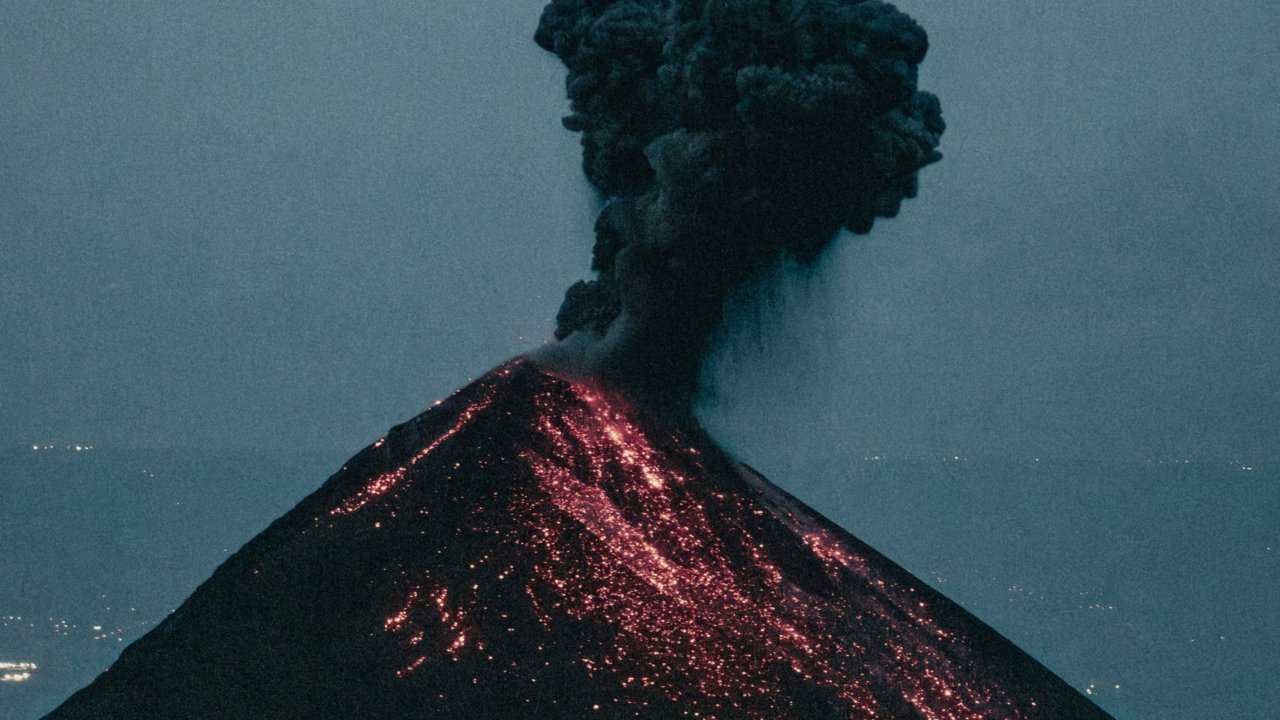
As the Earth cooled and its crust formed, volcanoes exhaled in catharsis: breathing water vapor and other gases from deep within to form a cloud of steam shrouding our planet. Simultaneously and serendipitously, more comets and asteroids delivered more water and carbon molecules. When the temperature finally dropped enough, the vapor precipitated into rain. Scientists estimate that the first time it rained on Earth, it did so continuously for millions of years. Every tear and drop of rain, a memory carried here by clashes of coincidence.
The perfect planetary conditions eventually allowed plate tectonics to emerge, for rainfall to find equilibrium as ocean, and the cycles of carbon and water to form. This epic of unlikely exactitudes set the stage for abiogenesis—inorganic matter turning into organic matter—which was by no means inevitable. For all that planetary chemistry and cosmic collisions had wrought, the seas were still empty of biology. In that primordial soup, nonliving chemistry had to mystify us once more, performing the most miraculous feat of all: becoming life that self-replicates.
It took billions of years for our spontaneous universe to birth consciousness, minds capable of looking back at this scattering trajectory of possibility and recognizing the miracle of it. I used to think that it was all too improbable to be coincidental, and saw the events of my life through a similar lens. Sometimes I still do. But I don’t think things have to be cosmically designed to be worthy of reverence. Which is more remarkable: the idea that I was meant to write you these words and you to read them, or all the unlikelihoods it took to arrive here?
There are times when the heavens seem to be raining down on us, when the very ground beneath our feet feels unfinished. In these moments of chaos, when my mind starts its grasping reach for meaning, I am learning instead to wonder what new moons might be forming, what the seawater that spills from my sight will become next, what an improbable gift it is that I am here pondering at all. We are made of atoms whisked by space weather into arcs of the spectacular, attempting to measure mystery and all the forms light can take. What are the chances?
Join our membership community. Support our work, receive a complimentary subscription to Atmos Magazine, and more.
How Chance Birthed Our Improbable World