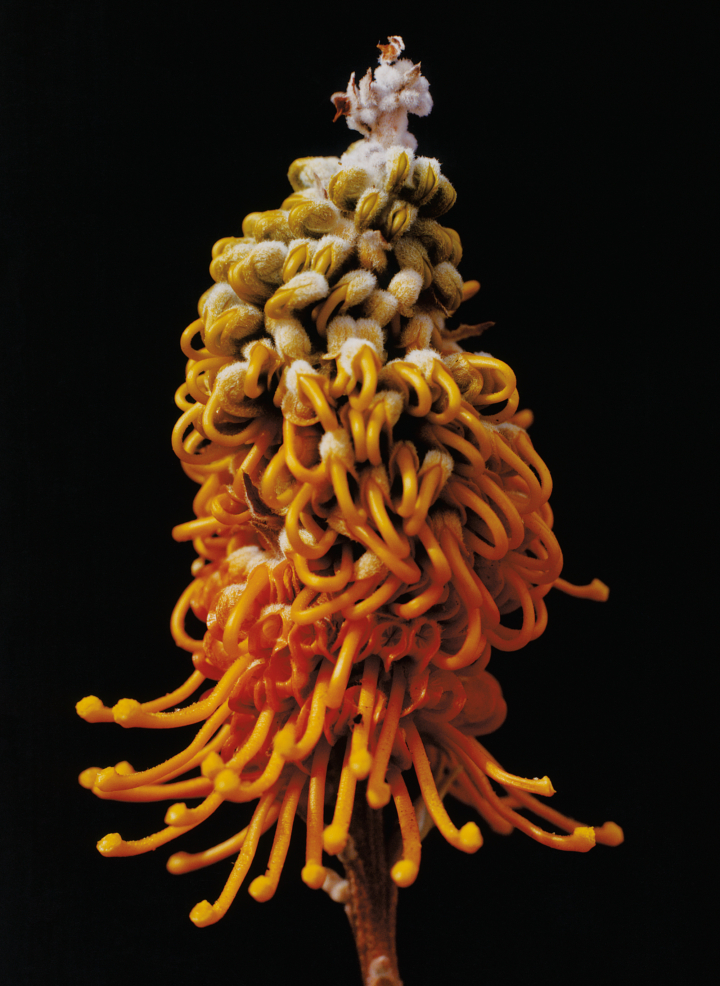
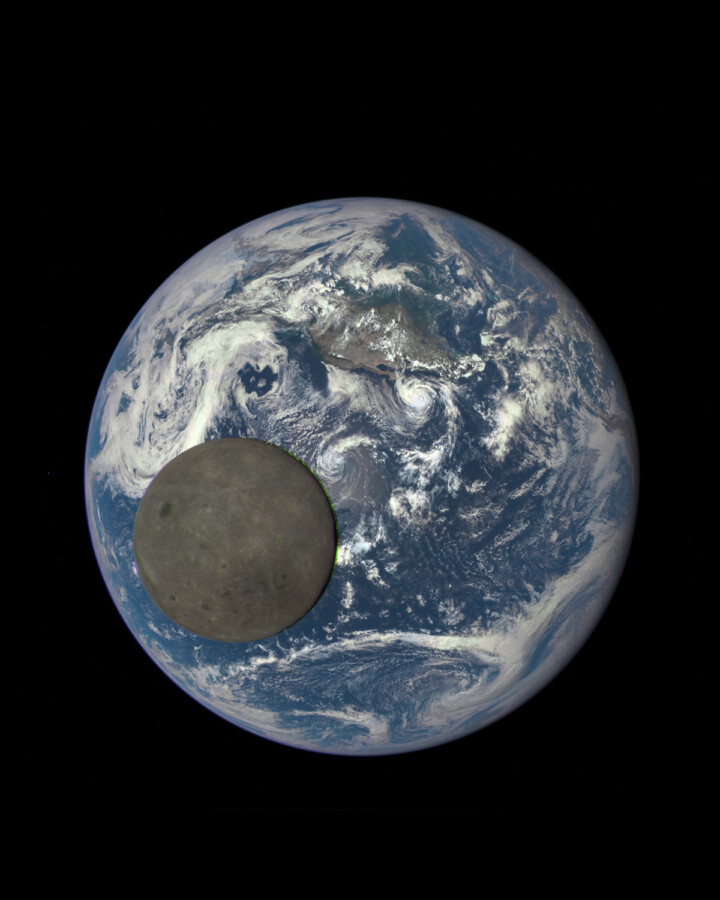
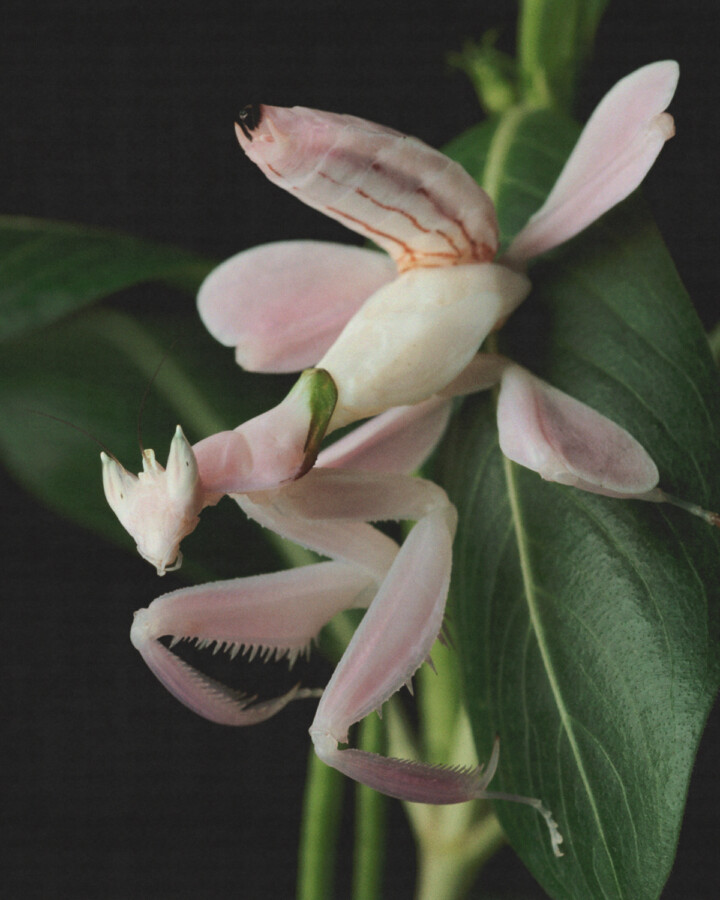
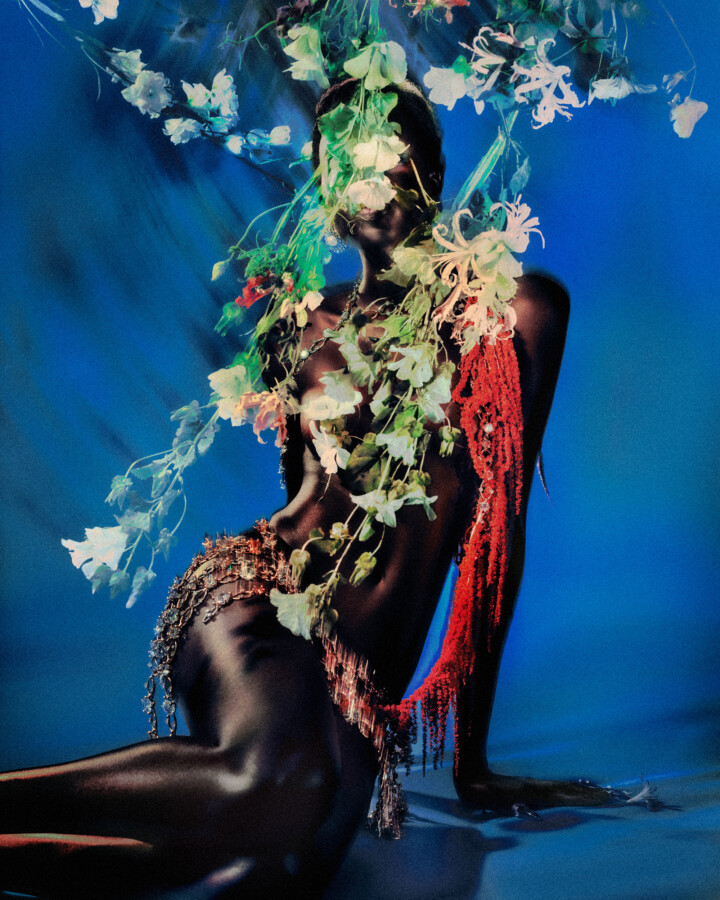
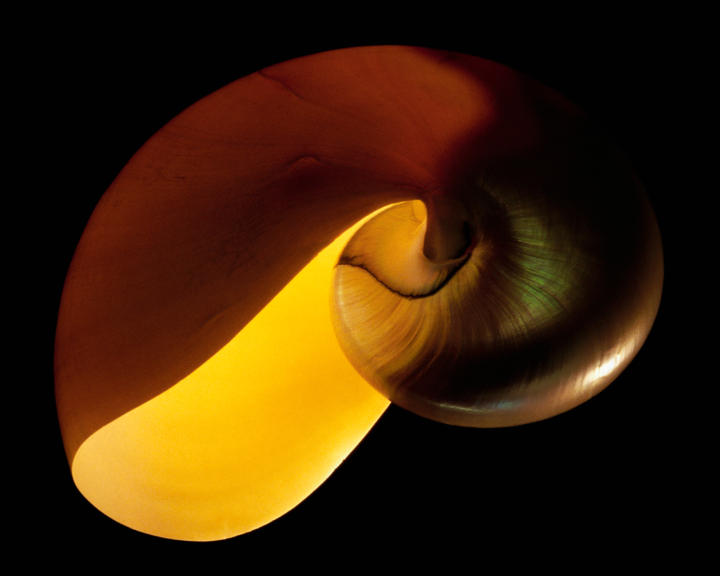
Photograph by Rachele Daminelli / Connected Archives
words by willow defebaugh
“For small creatures such as we the vastness is bearable only through love.”
—Carl Sagan
Recently, I found myself holding a friend as they moved through the moors of depression. They lamented that at 40, they feel they have not accomplished anything of consequence despite having a stable job, a community, a loving partner, and a home. My heart broke as they confessed to feeling like a waste of carbon—and that nothing matters.
I considered their words and how cruel depression can be, how it twists our perception of the world. At the same time, the way my friend felt is a reflection of what society says: that our worth is directly tied to the scale of output and recognition. I turned to them and offered gently: “Would it be so terrible if nothing matters?” Ecosystems are composed of many actors big and small giving and taking in a web of quiet reciprocity. If nothing matters, then everything does.
The cecropia moth—the largest in North America—begins its life as an egg. From this leaf-bound vessel, a tiny caterpillar emerges. Over the course of a month, it gorges on leaves, growing in size and shedding its skin in stages called instars. It eventually spins a cocoon of silk and spends the next 10 months liquifying and reorganizing. When the moth finally emerges as an adult, brown and saffron wings unfurl to reveal crescent-shaped eyes. It lives in this form for just 10 days before dying.
In the arc of this creature’s lifespan, what matters more? The nearly a year it spent in a silken womb hidden, dissolving, and reforming? Or the mere days after it emerged, its short-lived flight through the night sky? What about the many mini sheddings it underwent along the way as a tiny caterpillar? Every shape and stage was integral to this being’s existence. What we choose to call significant is almost always subjective, shaped mostly by the values we inherit.
A few days after that conversation, I came across an essay in The Atlantic that put language to an idea I’d been turning over. Arthur C. Brooks writes that the drive to feel important often breeds anxiety, while relief comes from recognizing ourselves as part of something much larger. His argument affirms what nature makes clear: Value is not derived from scale. We are participants in a universe more vast than ourselves, whether or not we are central to it.
We are continuously told to find worth through magnification. Like moths, we become drawn to these artificial light sources, flames of someone else’s making. But moths are meant to fly transversally, by the light of the stars and moon—all of which remind us that we are so wonderfully minute. In contemplating our smallness, the world starts to reveal itself more generously. Everything becomes miraculous by nature of it simply being here in all of its strange, unique glory.
The world and its problems often feel impossibly large. Perhaps that is why I find such comfort and wisdom in those far smaller than us. It helps me to remember that, cosmically speaking, there is nothing I need to achieve to be more or less worthy. My becoming may take a lifetime. I will lose my way at times, mistake artificial moons for real ones. With any luck, I might pollinate a few flowers along my path. More than anything, it is those relationships that I hope will define my brief time here. From where I am standing, these small things are enough.
Join our membership community. Support our work, receive a complimentary subscription to Atmos Magazine, and more.
Embracing the Beauty of Insignificance