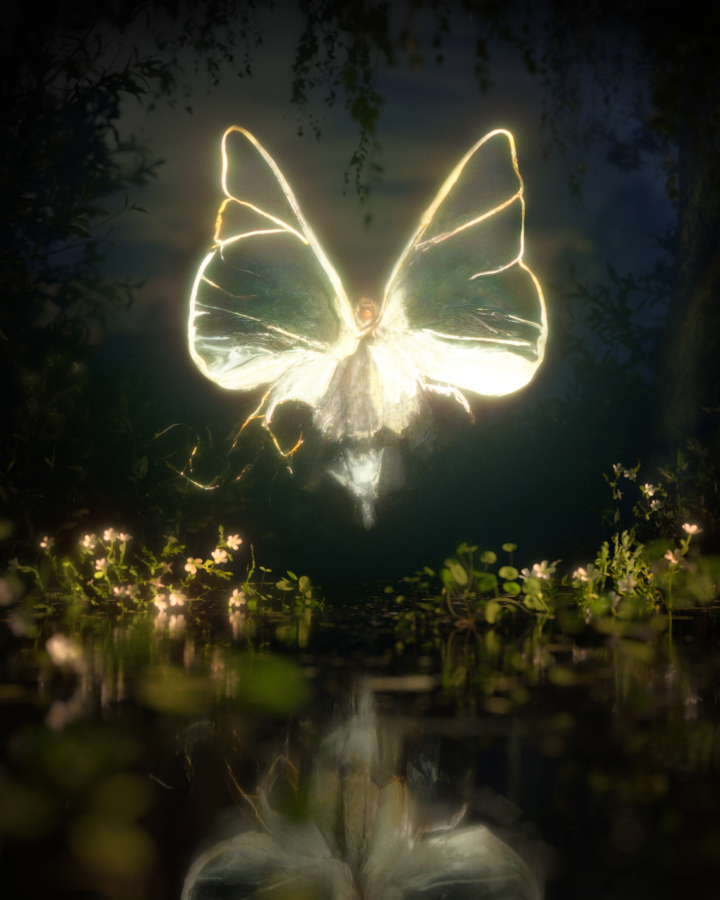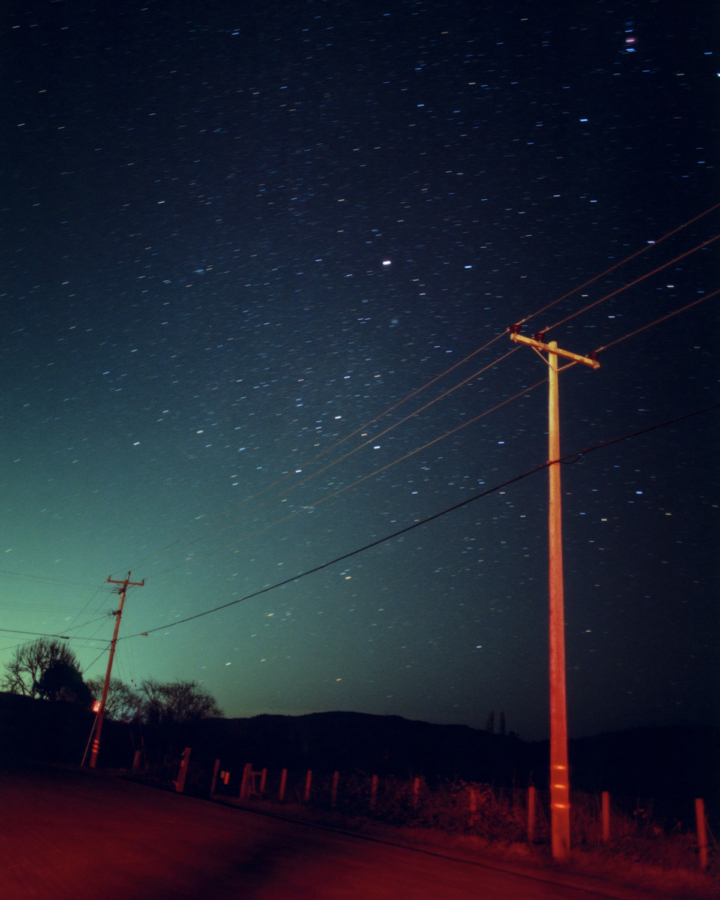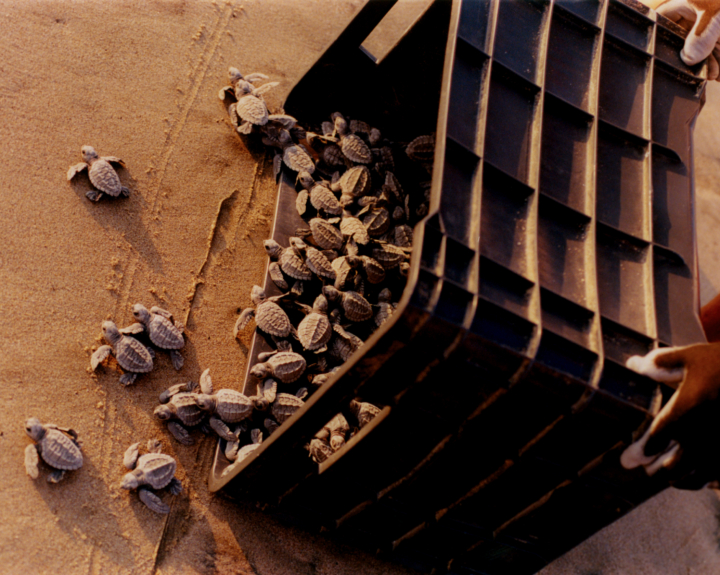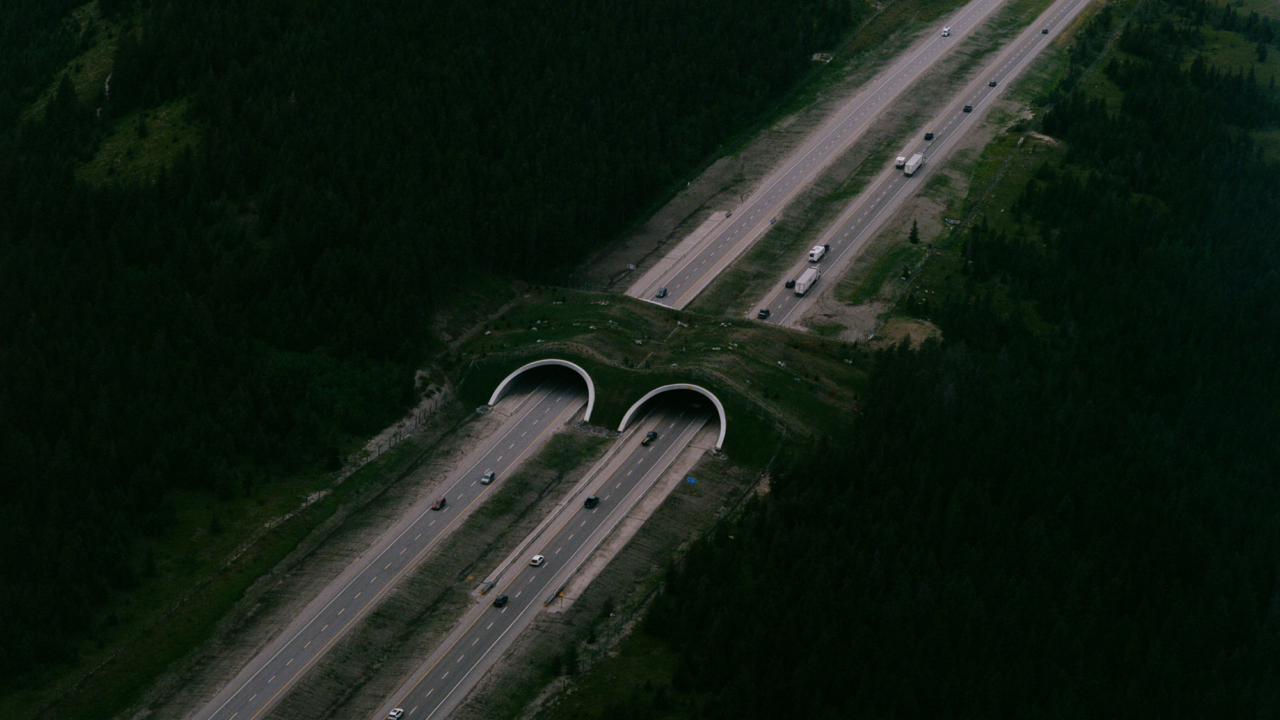
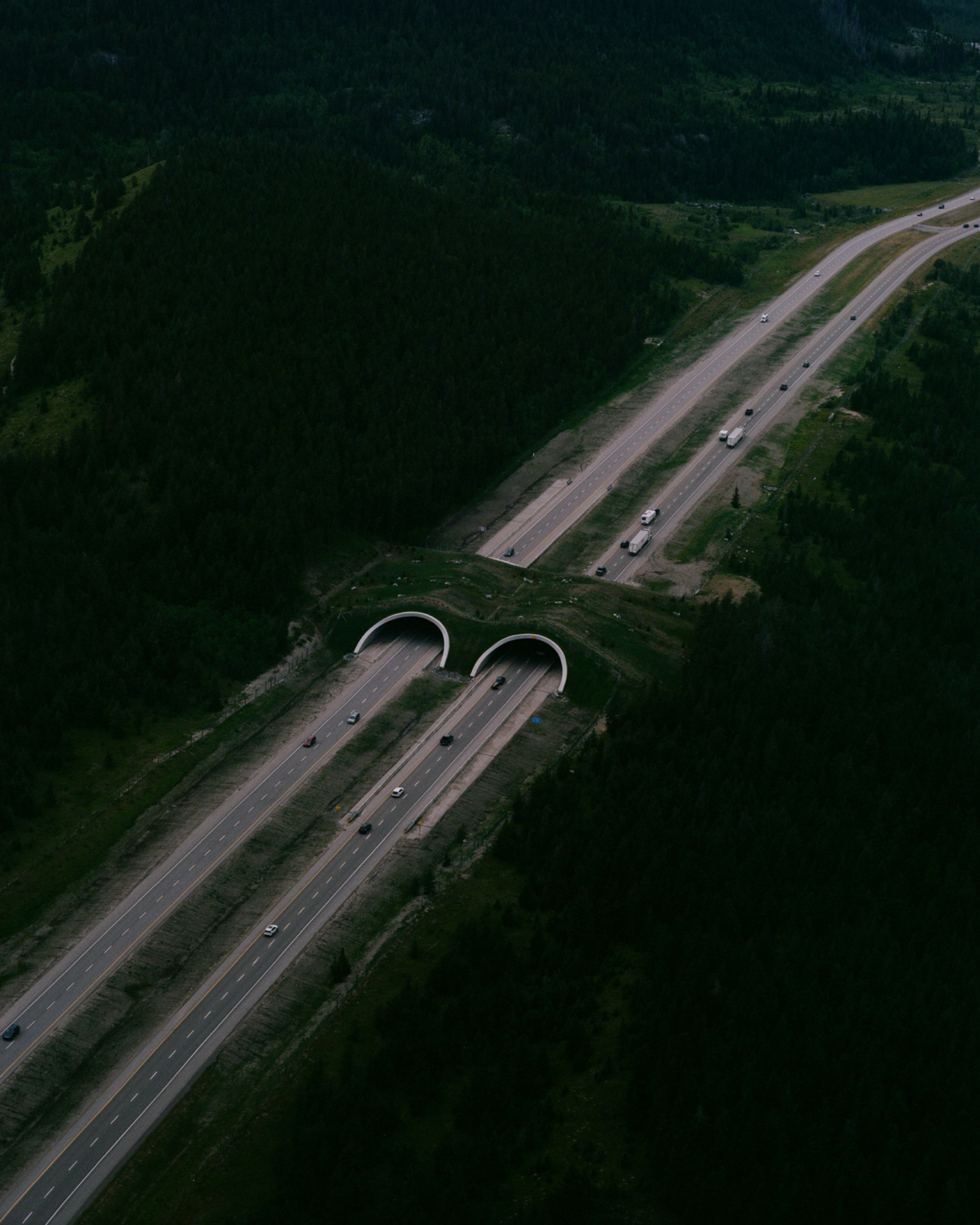
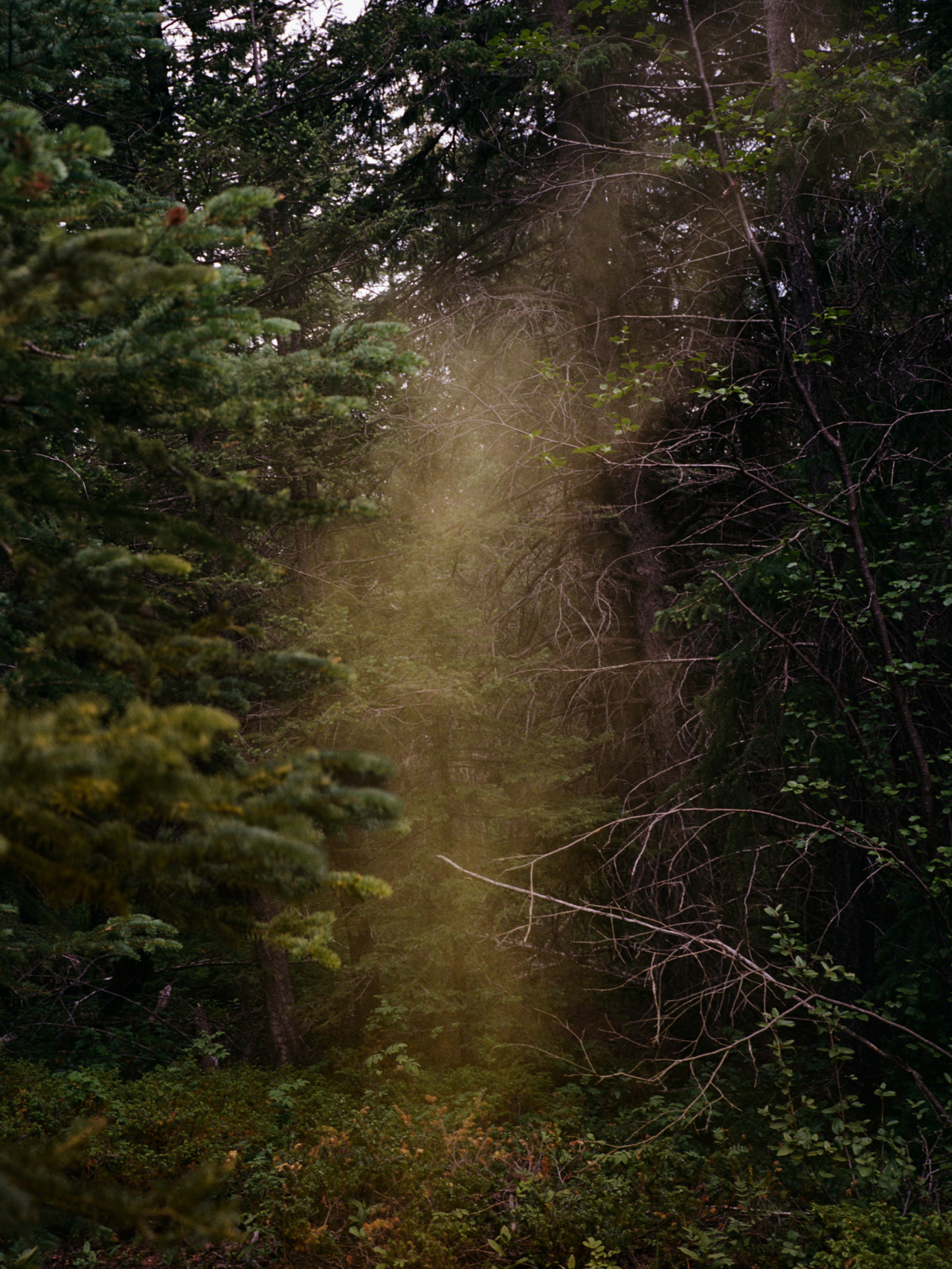
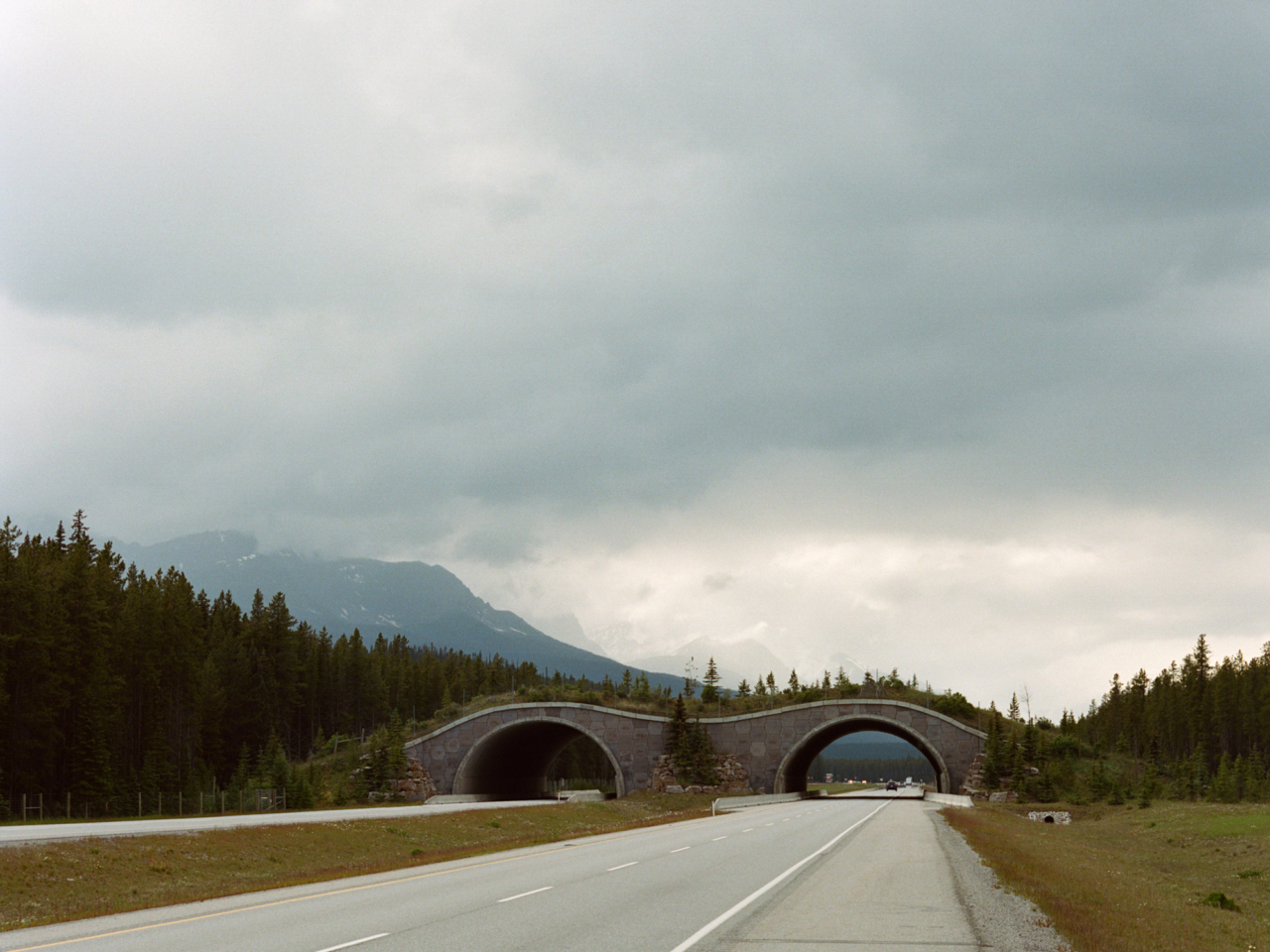
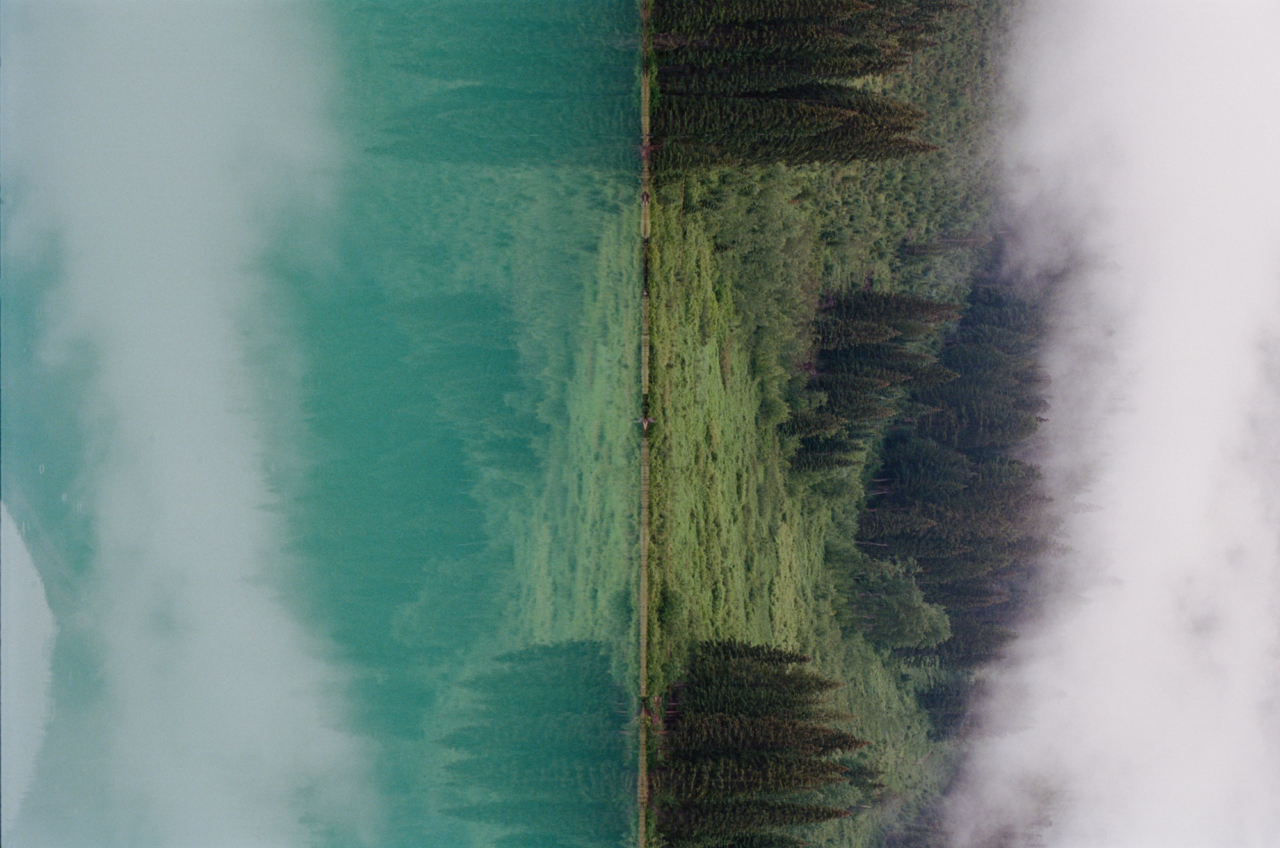
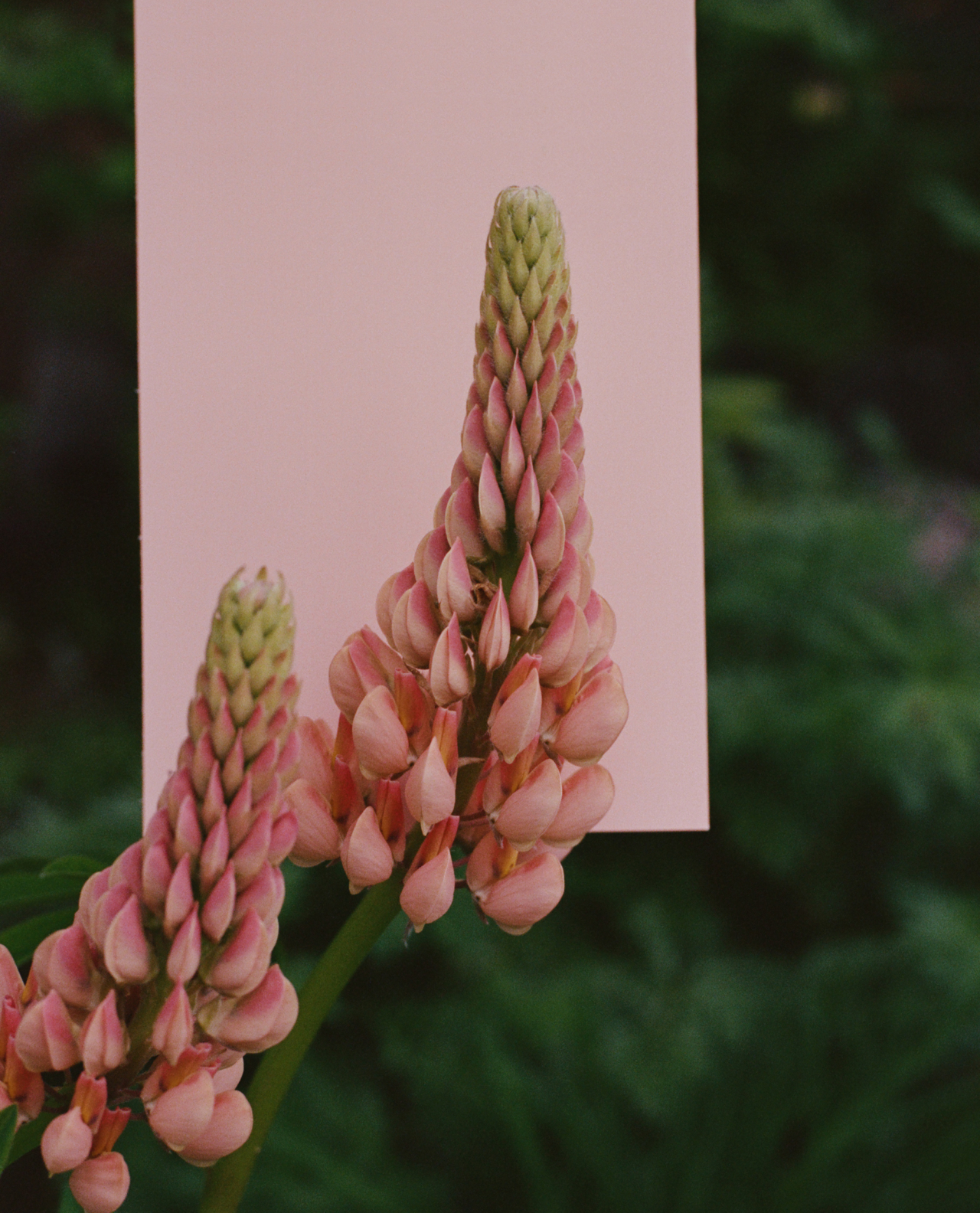
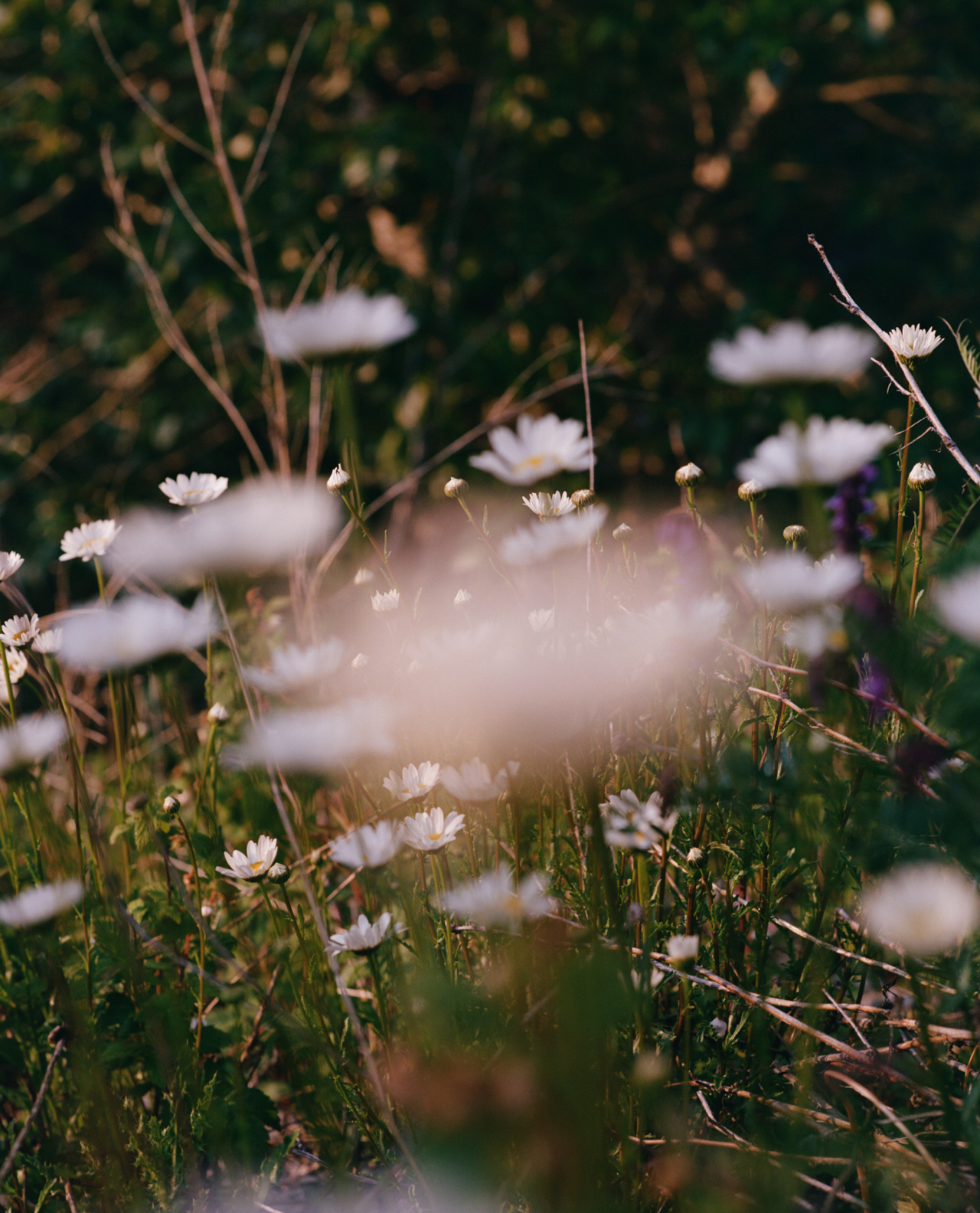
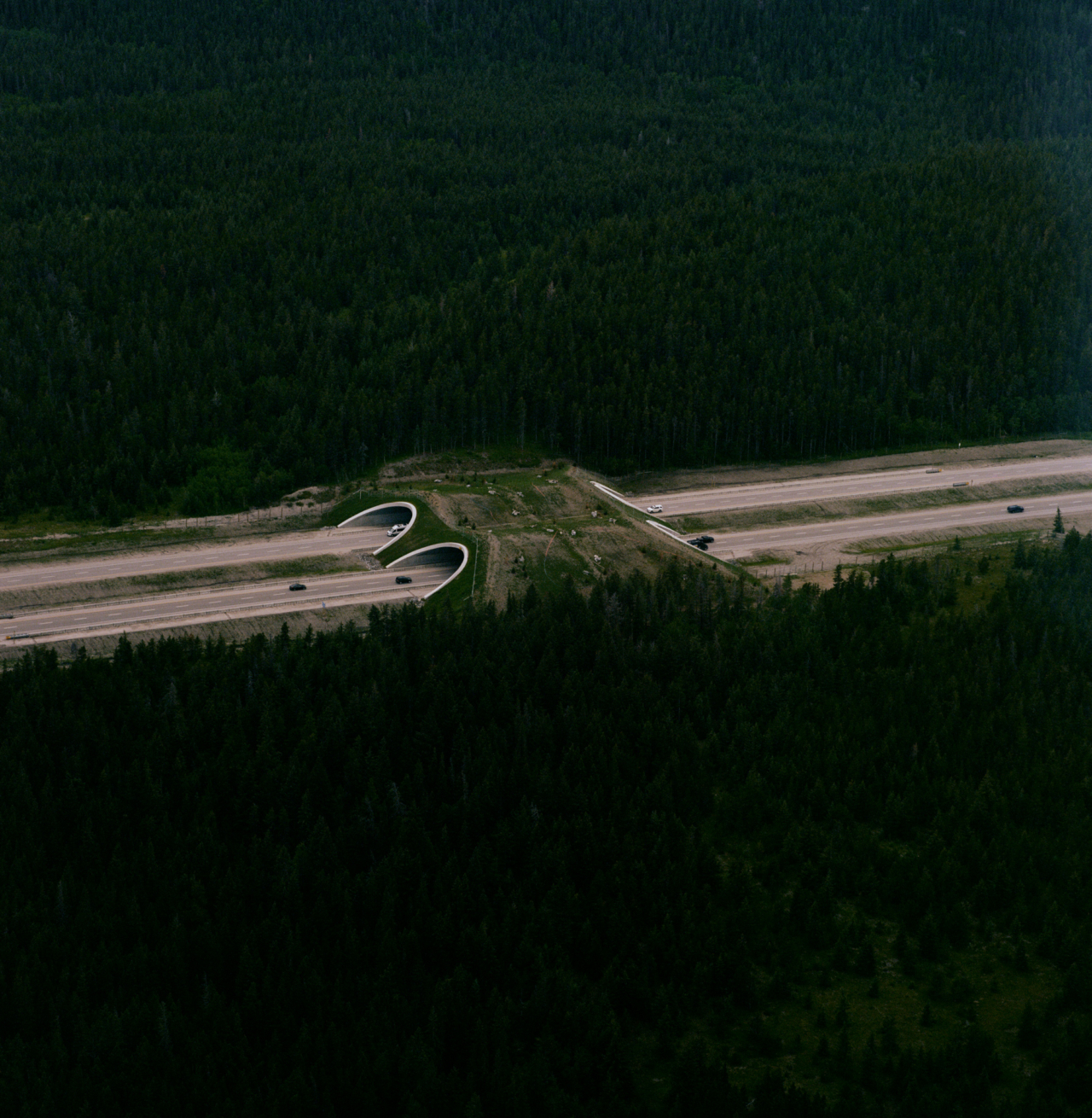
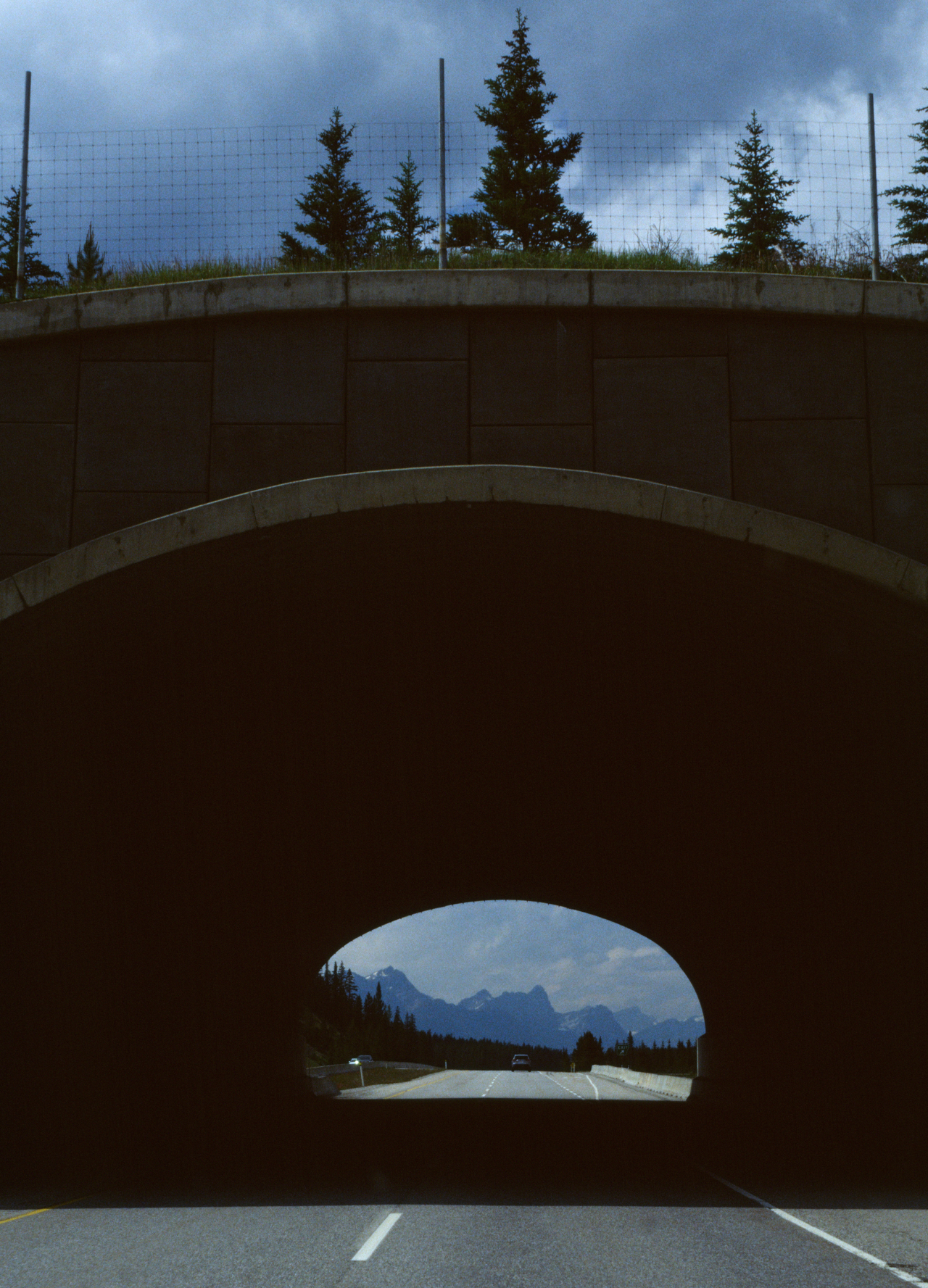
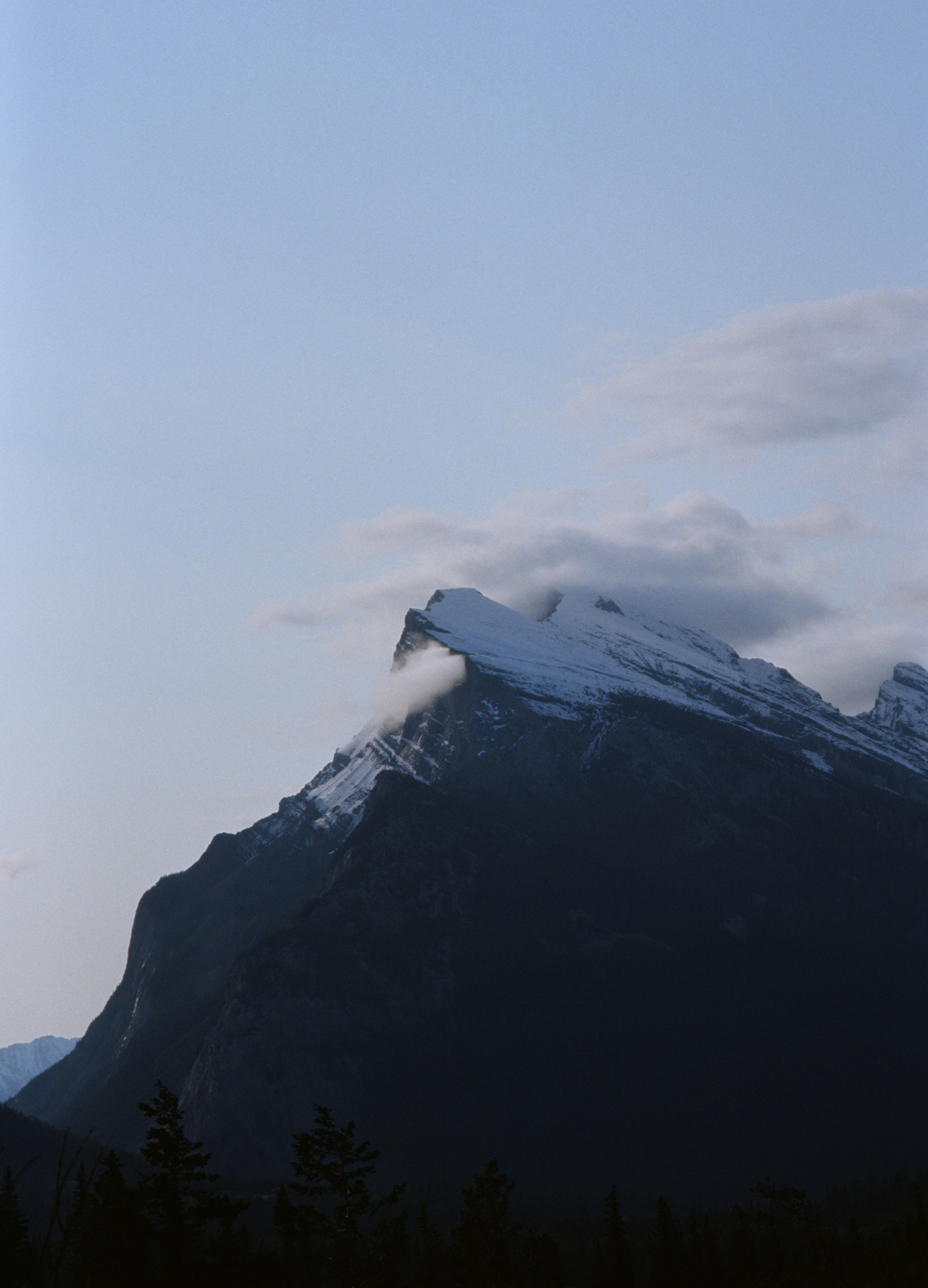
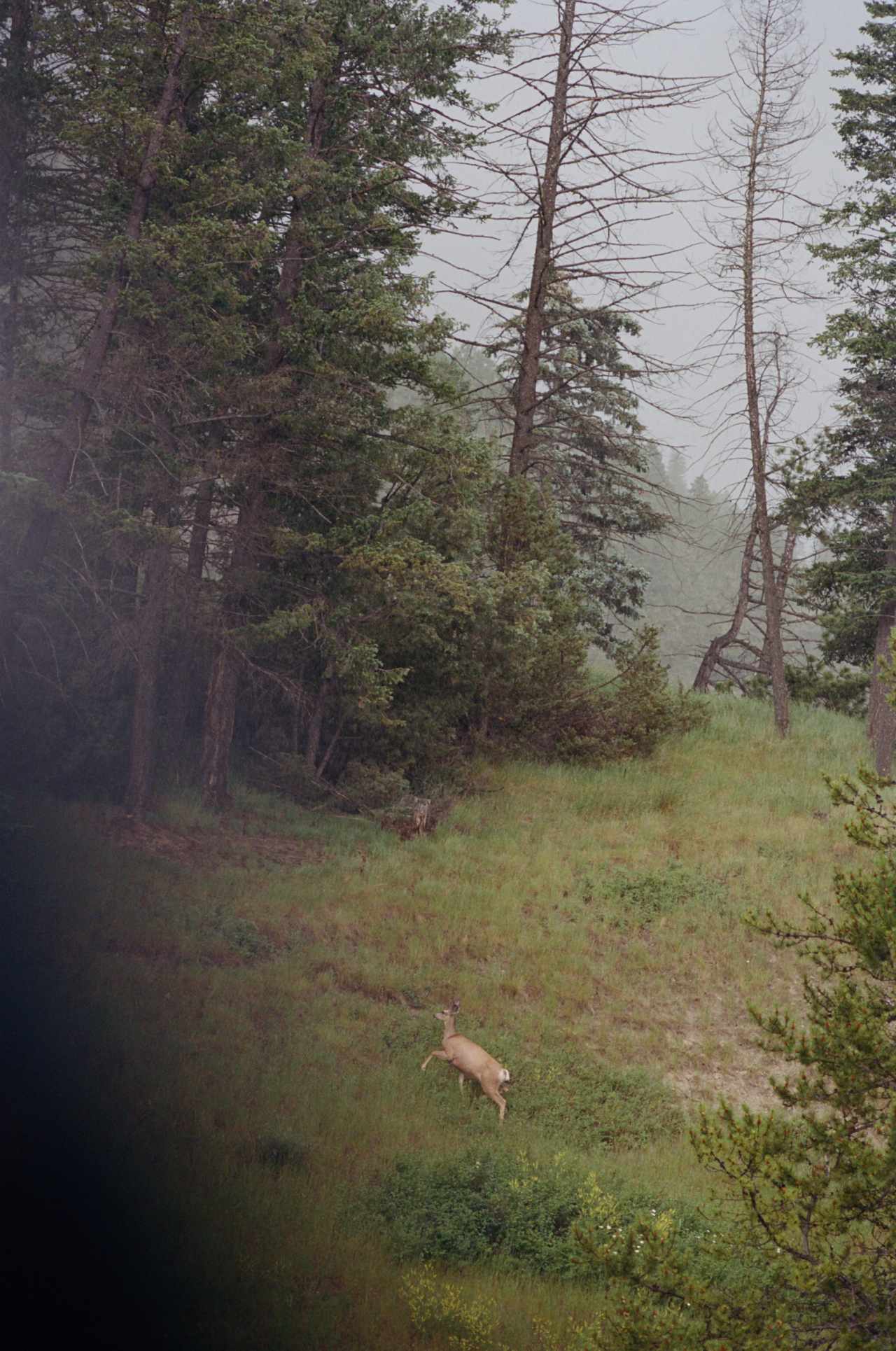
In this series, photographer Jeremy Everett documents the sweeping mountains and untamed wilderness of Banff, Canada’s first national park, as well as the human-made wildlife crossings that run through it.
Words by Ben Goldfarb
Photographs by Jeremy Everett
Southern California is a perilous place to be a wild animal. Car-choked freeways threaten the life of any bobcat, coyote, or butterfly brave enough to venture over the asphalt, and cleave the state’s mountain lion populations so thoroughly that some isolated, inbred groups face looming extinction. And while SoCal’s notorious traffic is especially injurious, it’s hardly the only place where roads and animals clash. Cars crush more than a million vertebrates in the United States each day, cut off the migrations of creatures like deer and elk, and threaten the survival of rarities from ocelots to Yosemite toads. The situation is equally grim abroad, where maned wolves and Asiatic cheetahs are among the species existentially threatened by humankind’s automotive obsession. “We treat the attrition of lives on the road like the attrition of lives in war,” the nature writer Barry Lopez once lamented. “Horrifying, unavoidable, justified.”
But roadkill and habitat fragmentation aren’t inevitable. Wildlife crossings—bridges, underpasses, and tunnels that permit animals to pass over or beneath highways unharmed—have repeatedly proven their worth. Now it’s imperative we build more, and incorporate a broader diversity of species in our safe passages.
In the 1950s, France began building game bridges, or passages à faune sauvage, to permit animals to navigate its roadways: history’s first wildlife crossings. In the decades since, wildlife over- and underpasses—combined with roadside fencing, which funnels animals away from highways and toward crossings—have proven a boon for conservation. Along one Wyoming ridgeline, a network of bridges, underpasses, and fences has allowed tens of thousands of migratory mule deer and pronghorn to traverse Highway 191. It has prevented so many expensive animal crashes that the project will soon recoup its own costs. In Canada’s Banff National Park, once-fragmented grizzly bears have been reunited by crossings that direct the ursids above and below the TransCanada Highway.
Even Southern California, America’s most infamously car-dominated landscape, will soon get a bit safer for wild creatures. That’s thanks to the Wallis Annenberg Wildlife Crossing, a bridge that’s currently being constructed over the 101 freeway west of Los Angeles. The overpass, some 200 feet long and nearly as wide, should allow mountain lions to mingle and mate on either side of the 101, refreshing gene pools and forestalling extinction. Bobcats, coyotes, deer, snakes, and other creatures will take advantage, too. On a recent visit, Beth Pratt, California director for the National Wildlife Federation, even spotted a lizard basking atop the unfinished overpass as construction crews bustled around it. “We wanted to make this ecosystem whole, to create a healthy landscape for everything from monarchs to mountain lions,” Pratt said. “And that means you need to start with the small stuff.”
When Pratt says the small stuff, she means it. While apex felines are the overpass’s primary targets, its designers also intend to entice pollinators and other insects over the 101. That’s a development we should welcome. Wildlife crossings, years of research tell us, indisputably aid deer, bears, elk, and other mammals. Though we sorely need more crossings for big, furry, conventionally charismatic animals, we also need to provide safe passage for invertebrates—which, after all, represent some 97% of the earth’s biodiversity. The future of our ecosystems might depend on it.
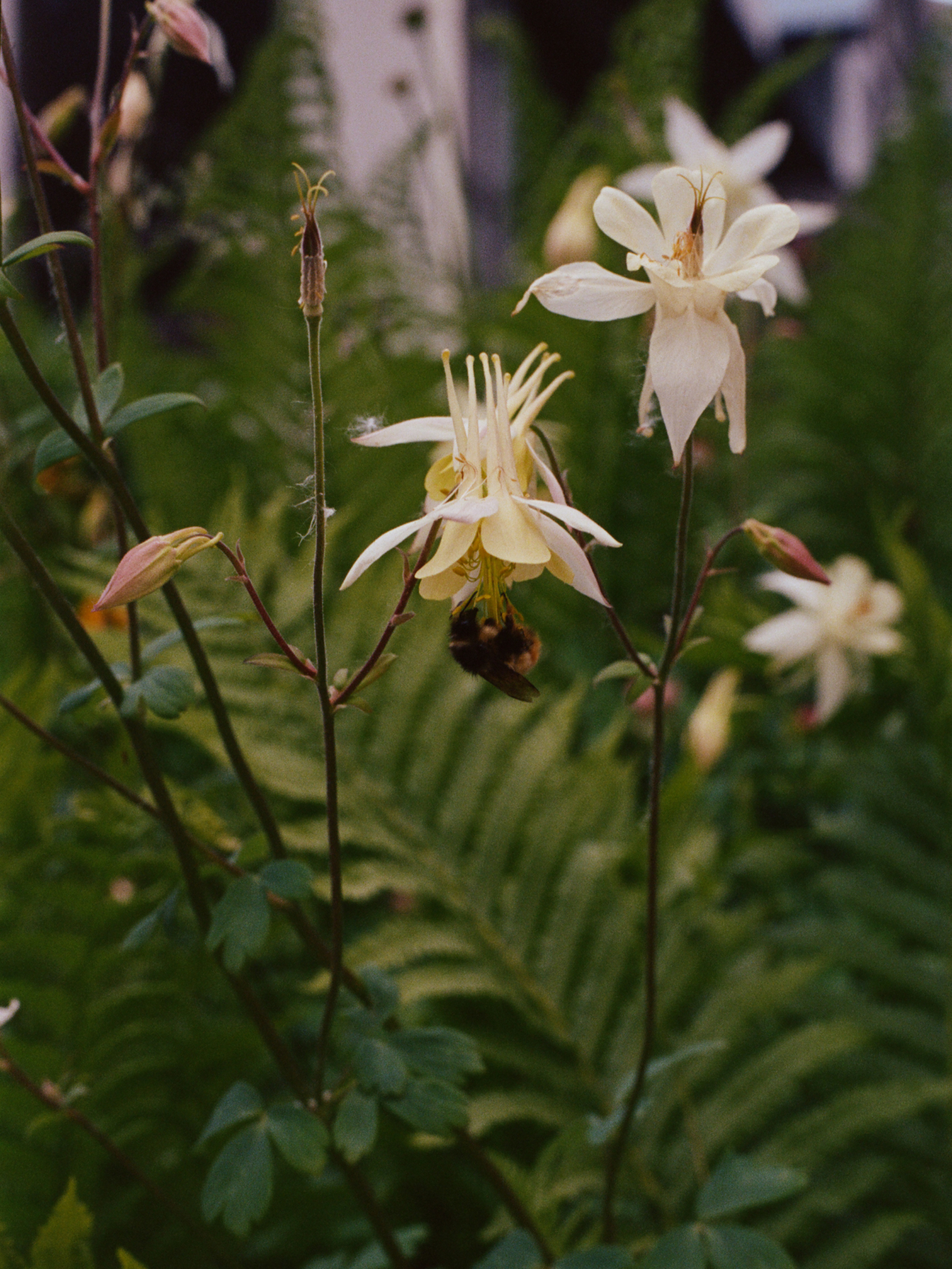
Roads likely aren’t the leading reason that pollinators—which are vital to nearly 90% of the world’s flowering plants and 87 of its most important crops—are in precipitous decline. But combined with other stressors like habitat loss and pesticides, traffic can threaten insects as surely as mammals. One 2015 study estimated that at least 9.3 billion North American butterflies succumb to cars each year. More recent research suggests that tens of millions of bees die on roads in the American West alone every day. Road-related pollutants such as deicing salt, heavy metals, and tailpipe particles can contaminate the plants upon which insects rely. Even the turbulence from passing vehicles can tear delicate butterflies to shreds.
Yet roads also provide insects with surprising benefits. In the Midwest, roadsides afford precious strips of native vegetation in landscapes otherwise carpeted in corn and soy monocultures. Scientists have calculated that some 450 million stems of milkweed, the host plant for monarch butterfly caterpillars, persist along roadsides in the insect’s central migration corridor, and transportation departments from Texas to Minnesota are trying to conserve and restore pollinator habitat along I-35, known also as the Monarch Highway. When butterflies and bees are already foraging along roadsides, says Chris Smith, a Minnesota wildlife biologist, the best way to keep them safe might paradoxically be to make the verge even more attractive with additional insect-friendly plants. “Enhancing that habitat might keep them on one side of the road, rather than hopping back and forth and playing Frogger,” Smith says.
Another option: shepherding pollinators safely across roads via wildlife crossings. Granted, getting a flying insect to use an overpass seems difficult. Unlike deer and moose, bees and butterflies aren’t easily constrained by roadside fences and seem capable of sailing across a highway wherever they like. Yet even flying animals appear to favor the safe, more natural spaces provided by crossings: In Germany, for instance, bats readily cross highways via green bridges and underpasses. And as Smith points out, many bees come to specialize on single flower species. If transportation agencies planted strips of, say, beebalm across wildlife overpasses or urban freeway caps, the bees may well follow.
“There needs to be a lot of research to figure out whether it really works,” Smith said. “But as a hypothetical, it does make a lot of sense.”
That’s a hypothetical that California’s Annenberg crossing, which should open to creaturely traffic in 2026, is prepared to test. Wildlife overpasses are generally funded with scarce public transportation dollars, and their landscaping tends to be relatively spartan. “Most put some dirt or gravel on top and call it a day,” Pratt said. By contrast, the $92 million Annenberg crossing, funded primarily through private donations, will be lushly surfaced in some 5000 native plants—including pollinator-friendly species like buckwheat, penstemon, and milkweed—collected as local seed and raised in an on-site nursery. Its soils will be inoculated with mycorrhizal fungi to ensure those plants flourish; wood and rocks will provide nesting sites for ants and bees. Even the sound-blocking earthen berms that shield wildlife from the freeway’s roar will be carpeted in a matrix of flowering plants that Robert Rock, the landscape architect responsible for designing the overpass’s surface, described as a “pollinator tapestry.”
“We want to create enough diversity in the habitat so that we invite insects to extend into this space,” Rock said. “All of these species are connected to everything that’s above and below them in the food pyramid.”
Though the Annenberg crossing might be the most thoroughly considered pollinator bridge, it isn’t the first. In 2017, the Clinton Keith Wildlife Crossing, an overpass in California’s Riverside County, opened to coyotes, mountain lions, roadrunners, and other critters. The crossing’s location was chosen, in part, to overlap with the range of the Quino checkerspot, an endangered butterfly whose wings are a vivid chessboard of white, black, and orange. Checkerspots have been described as “low-flying flutterers” more likely to bob through traffic than soar over it. “The overpass will get them to go higher than a road, to align them with the topography,” one biologist said not long after the passage opened.
Other wildlife crossings have attracted insects less by intent than as a byproduct of their plant diversity. Consider the Robert L. Tobin Land Bridge, an overpass that spans the six-lane highway that divides Phil Hardberger Park in San Antonio, Texas. The bridge, completed in December 2020, was planted with more than 700 trees, as well as with thousands of native shrubs, forbs, and perennial grasses—everything from cedar elm to mountain laurel to buttonbush. The landscaping is so rich, said Melissa Kazen, executive director of the Phil Hardberger Park Conservancy, that the bridge blends seamlessly into the park at large. “Frequently I’m giving tours and people are like, When are we gonna get to the land bridge?” Kazen said. “And you’re standing right on it.” Along with deer, foxes, and other critters, insects have gravitated to the bridge. “We’ve got this purple thistle that blooms, and the bees are all over it,” Kazen said.
Elsewhere, transportation agencies are installing crossings for invertebrates that don’t fly at all. Every fall, thousands of male tarantulas go on the march in eastern Colorado, wandering the desert in search of females, whom they court by drumming their feet outside their mates’ burrows (and often get eaten by their partners post-coitus for their trouble). Many of these amorous spiders are crushed on roads as they roam. In 2023, the Butterfly Pavilion, a Denver-based insect zoo and research center, embarked on a survey of tarantula road-crossing habits, tallying both living and dead spiders to figure out where males were most likely to venture onto the pavement. Guided by that research, the Colorado Department of Transportation installed low fencing adjacent to a pair of road culverts, which funneled tarantulas to the tunnels and beneath the highway —almost surely the first spider crossings in North America.
And tarantulas weren’t the only beneficiaries. Cameras in the culverts also recorded badgers, skunks, rabbits, salamanders, and even birds like burrowing owls. As Francisco Garcia Bulle Bueno, director of research and conservation at the Butterfly Pavilion, pointed out, this represents an inversion of the usual conservation paradigm, in which the protection of mammals—a tiger sanctuary, a panda preserve—incidentally safeguards invertebrates. “We did it for the spiders, and it ended up saving so many animals,” Bueno said.
Granted, saving animals hasn’t traditionally been the only motivation behind wildlife crossings. Transportation departments embrace passages and fences because they protect drivers from crashing into deer and other large mammals—anthropocentric logic that doesn’t apply when you’re building crossings for spiders or butterflies. Crossings for diminutive critters may not aid human safety, but they’re of profound importance to conservation: as Robert Rock put it, “People are coming to care more and more about species that are smaller and smaller.” One recent study published in the Journal for Nature Conservation, for example, found that underpasses in Vermont cut roadkill of spotted salamanders, leopard frogs, and other amphibians by more than 80%.
Wildlife crossings are nothing short of critical infrastructure, and the survival of biodiversity in the 21st century is partly contingent on our willingness to build many, many more.
This story first appeared in Atmos Volume 12: Pollinate with the headline, “A Haven for Every Highway.”
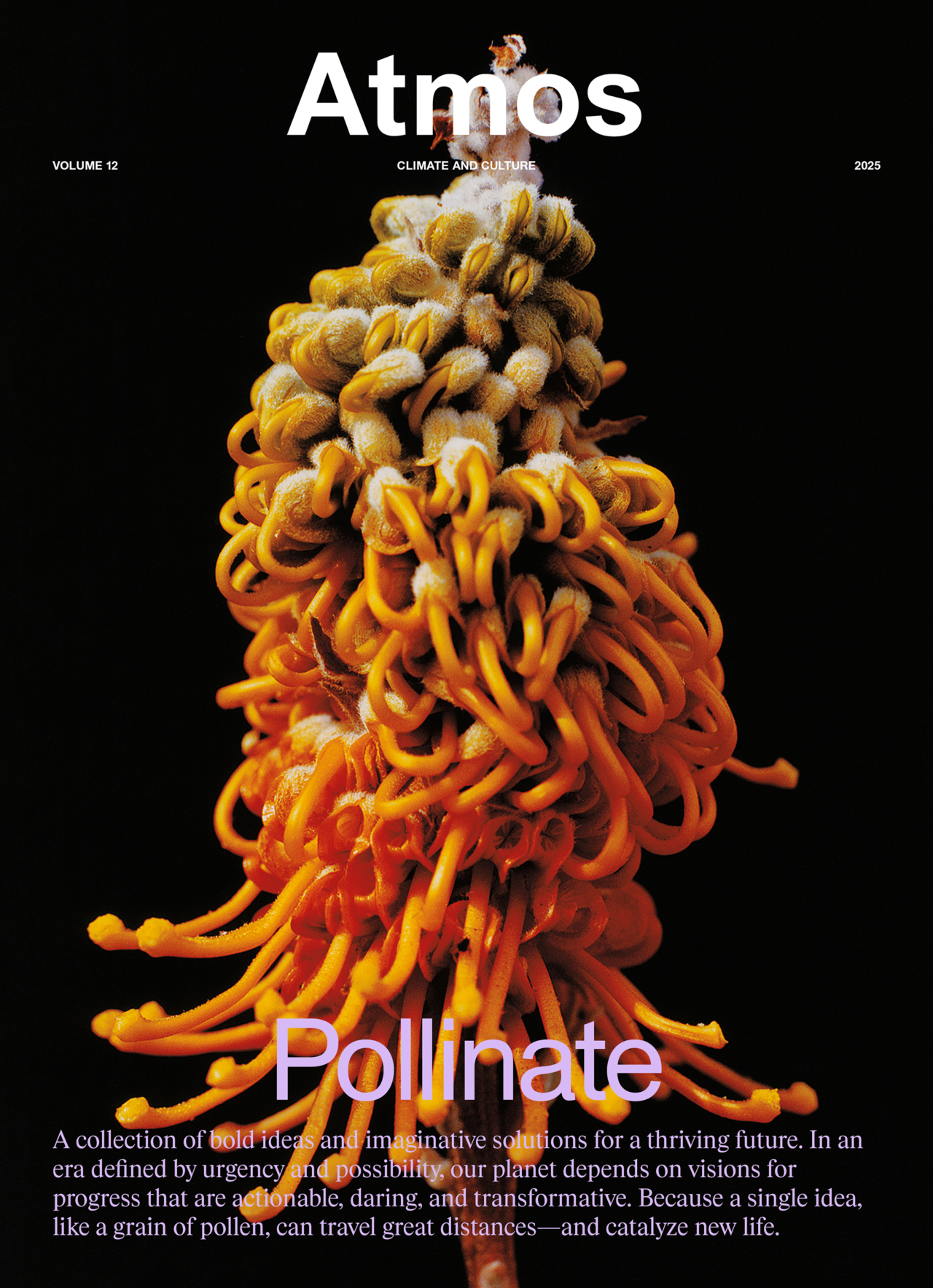
A collection of bold ideas and imaginative solutions for a thriving future. In an era defined by urgency and possibility, our planet depends on visions for progress that are actionable, daring, and transformative. Because a single idea, like a grain of pollen, can travel great distances—and catalyze new life.
Wildlife Crossings Reconnect a Natural World Divided by Highways