Photography by Kristin Bethge / Connected Archives
Words by Michael Grunwald
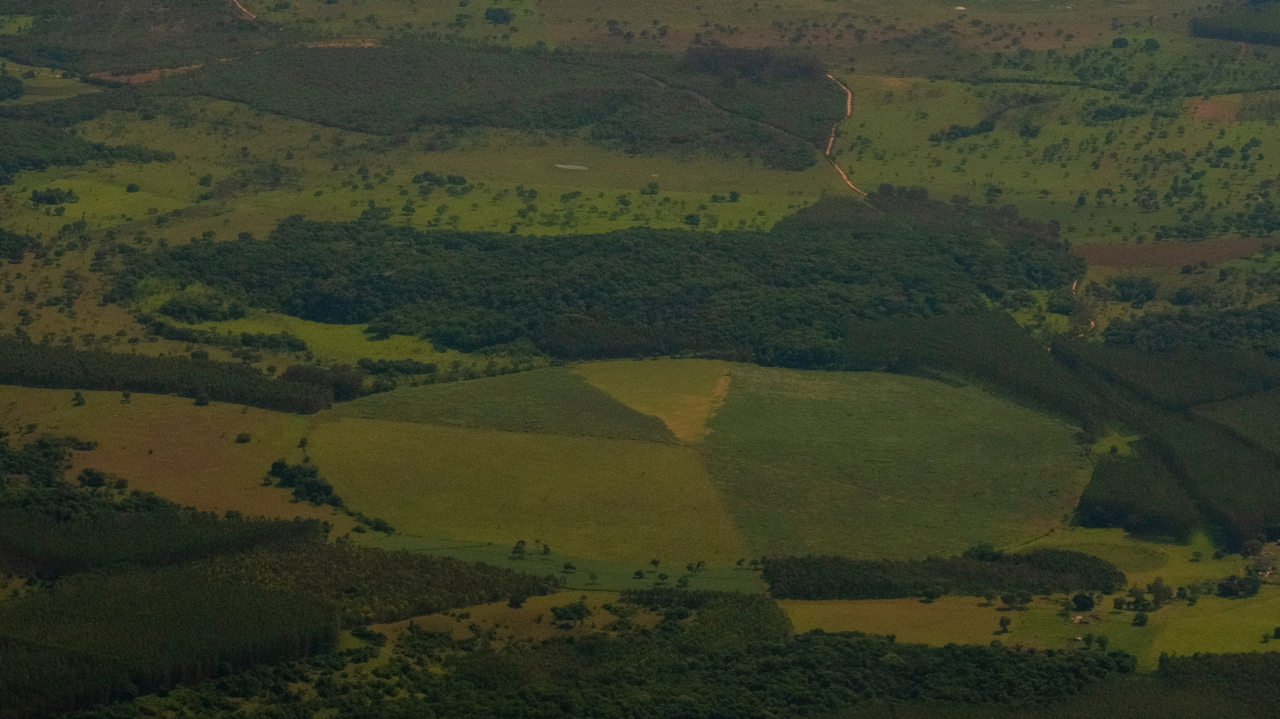
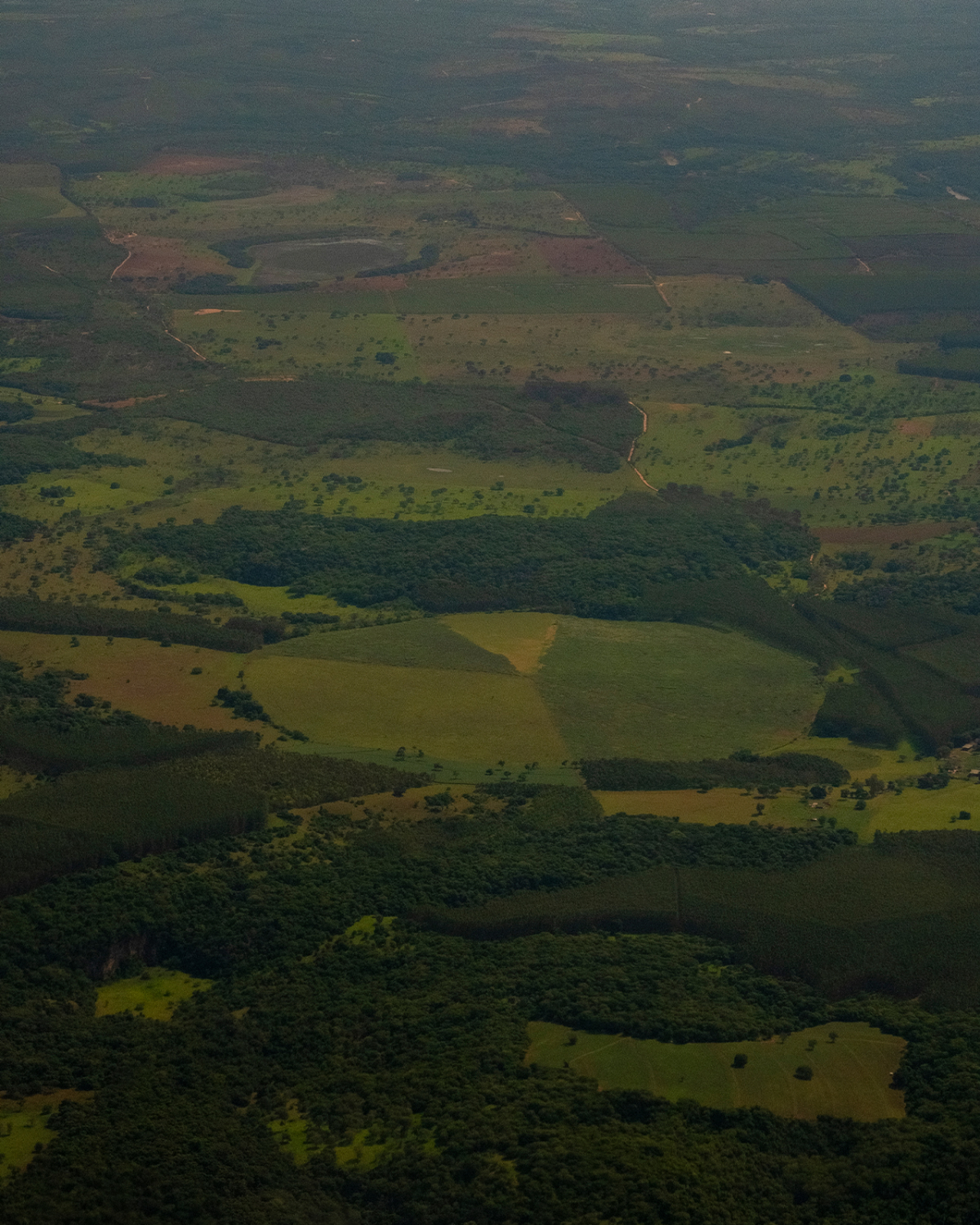
Farms and pastures now cover two of every five habitable acres on Earth. By contrast, cities and suburbs cover one of every hundred. Every six seconds, a soccer field’s worth of tropical rainforest is lost to agriculture. We’re currently on track to deforest another dozen Californias’ worth of land to feed our growing population by 2050, and we don’t have a dozen Californias of forest to spare.
In other words, we are eating the Earth. Our natural planet is becoming an agricultural planet, and it’s our worst environmental disaster. The global food system is the leading driver of biodiversity loss, water pollution, and water shortages. It’s also an unsung climate disaster, generating a third of our greenhouse gas emissions—partly from tractors, fertilizers, and methane-burping cows, but mostly from the clearing of forests that store terrestrial carbon and soak up atmospheric carbon. Trying to decarbonize the planet while vaporizing trees is like trying to clean your house while smashing your vacuum to bits in the living room: Not only do you make a mess, you undermine your ability to clean up the mess.
So we need to stop eating the Earth, or at least eat less of it. By 2050, we’ll need to grow 50% more food without using any more farmland—and we’ll need to do it on a warming planet where harsher heat waves, floods, droughts, and other climate impacts will make it even harder to grow food.
The good news is that there are all kinds of exciting potential solutions, from a miracle tree called Pongamia that can produce enormous amounts of food on lousy land, to plant-based burgers that require far less land to produce than beef burgers and pasture improvements that can produce much more beef per acre of land. The bad news is that none of these solutions have gotten much traction yet, so the problem keeps getting tougher. And while we basically know what we need to do about energy and climate—electrify the global economy as quickly as possible and run it on clean electricity—we’ve just started thinking about food and climate. The twenty-eighth annual global climate summit in Dubai in 2023 was the first to devote a day to food issues, but carbohydrates will be an even tougher problem to solve than hydrocarbons.
“While we basically know what we need to do about energy and climate—electrify the global economy as quickly as possible and run it on clean electricity—we’ve just started thinking about food and climate.”
The first step toward recovery is to admit you have a problem. Even climate activists, understandably obsessed with fossil fuels, have mostly ignored food and agriculture—and when they’ve paid attention, they’ve mostly pushed low-yield farming approaches that make the problem worse. But as the world starts to realize we need to make more food with less land, the next step, in the words of the indefatigable food and farming analyst Tim Searchinger—the protagonist of my book We Are Eating the Earth—will be to “hurry the fuck up and figure shit out.”
In practice, that means we need a multiple-moonshot approach to the eating-the-Earth problem: an all-out research push targeting the demand side (food consumption) as well as the supply side (food production). As they’ve done with energy, governments will need to help figure out what works, then help deploy what works. The additional bad news, of course, is that in the United States the Trump Administration is rolling back R&D, especially climate R&D, so change will be incredibly hard. But if it were easy, it would’ve happened already.
On the demand side, the most urgent moonshots should promote meat alternatives—made of plants, fungi, or animal cells—that can reduce animal agriculture’s land use and emissions by 90%. Livestock are inefficient converters of their feed into our food, which is why we use three quarters of our agricultural land to raise them. Unfortunately, most of us enjoy eating them, so we’re unlikely to eat less of them until alternatives are as tasty and cheap as carcasses. Governments in nations like Singapore, China, the Netherlands, and Israel are starting to invest in research—the Biden Administration kicked in a few million dollars, too—but the funding is still orders of magnitude too low to move the needle. To give a sense of the gap, $3 billion in public and private money has been invested in the fledgling industry trying to brew animal cells into “cultivated meat” in its entire history, versus $500 billion invested in solar just last year.
The other obvious demand-side opportunity would focus on reducing food waste. The world wastes a quarter of its food, which means it wastes a quarter of the farmland and fertilizer used to grow food. And unlike animal meat, food waste doesn’t have a powerful lobby. Just about everyone agrees it’s dumb that we use a land mass the size of China to grow things we’re going to throw away. Research could help supermarkets manage their inventory with artificial intelligence or help develop biotech coatings that prevent fruit and vegetables from spoiling. Governments can also help deploy technologies like Mill dehydrators, which can convert your household food scraps into chicken feed that can replace soybeans.
“Carbohydrates will be an even tougher problem to solve than hydrocarbons.”
There are also dozens of supply-side solutions that could help farmers make more food per acre so that they need fewer acres to make food. This was the triumph of the Green Revolution, which has tripled crop and livestock yields since the 1960s with advanced seeds, chemical fertilizers, large-scale irrigation, modern automation, and other industrial technologies.
Today, the Green Revolution is controversial, even though it has saved billions of people from starvation and billions of acres from deforestation, because it has also made a mess. The modern goal should be a greener Green Revolution that makes even more food with even less land and much less mess. That could include support for crops genetically engineered and edited for high yields, drought tolerance efforts to alchemize crop residues like rice straw into high-quality livestock feed, or precision agriculture technologies that more efficiently deliver fertilizer and pesticides where they’re needed.
And just as Willie Sutton robbed banks because that’s where the money was, policymakers seeking emissions reductions should focus on livestock because that’s where the emissions are—especially cattle, which use 10 times as many resources and 28 times as much land as pigs or poultry. In Brazil, efforts to fertilize pastures, change grazing patterns, and add grain to bovine diets have helped triple beef yields at minimal cost.
There’s amazing stuff in the works. At the University of Illinois, scientists are using AI, genomics, and supercomputers to reinvent photosynthesis, a technology that’s done a pretty good job supporting life on Earth for billions of years but turns out to be riddled with inefficiencies. They’ve already engineered away enough of those inefficiencies to increase crop yields 50% over the next two decades. We should help them try to do it faster.
The larger point is that we need to act as if the eating-the-Earth problem is a problem, as if we’re serious about feeding the world without frying the world, as if land use really matters. Our species is not great at sacrificing for the long-term health of our planet, but we’re extremely good at inventing cool ways to solve problems once we decide we actually need to solve them.
We haven’t made that decision yet, so we haven’t made any progress on food and climate. But the genuinely inspiring news is that 20 years ago, we hadn’t made any progress on energy and climate, and now we’re in the midst of a clean energy revolution. Change really is hard, but it’s not impossible.
This story first appeared in Atmos Volume 12: Pollinate with the headline, “How to Stop Eating the Earth.”
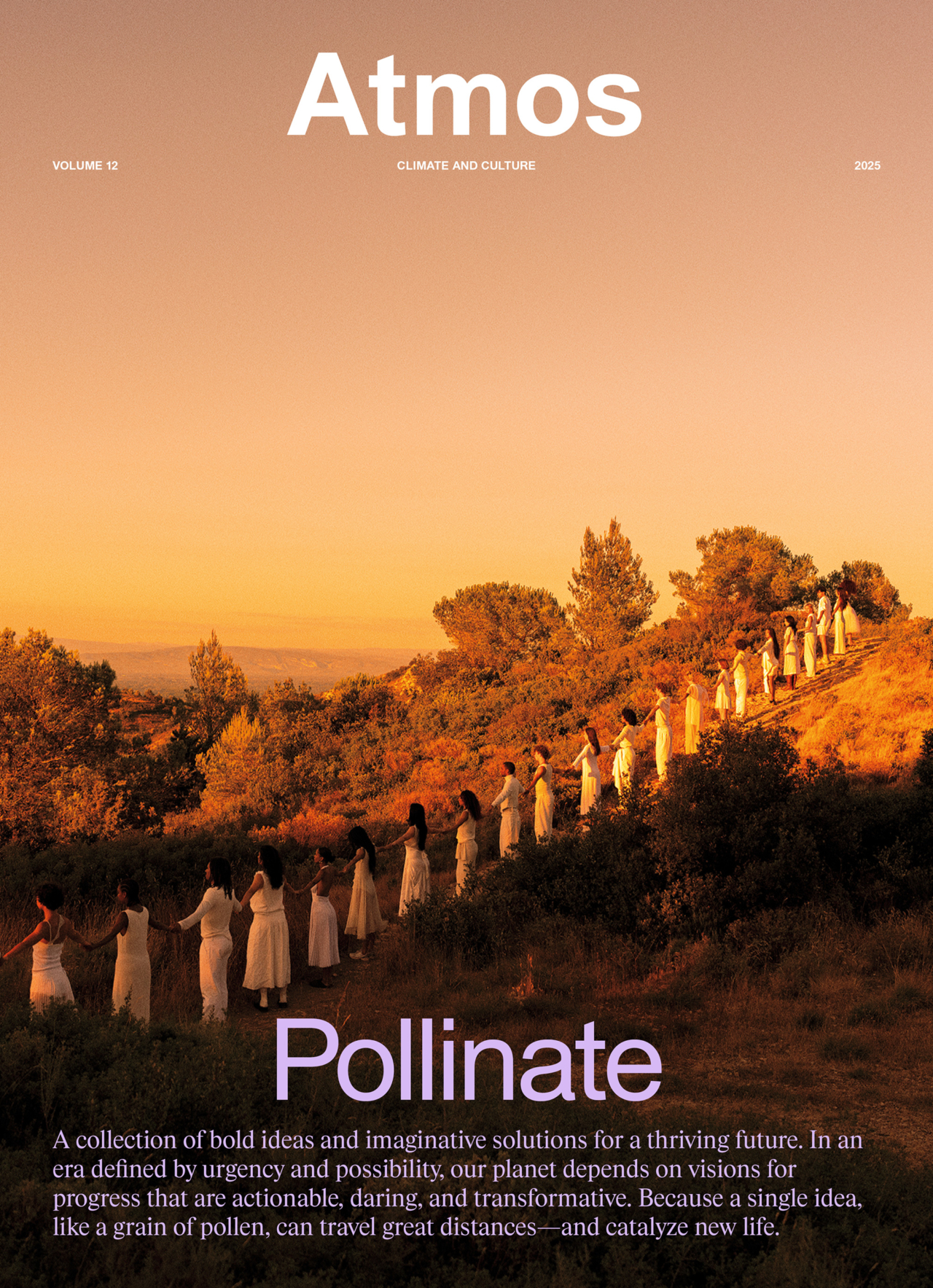
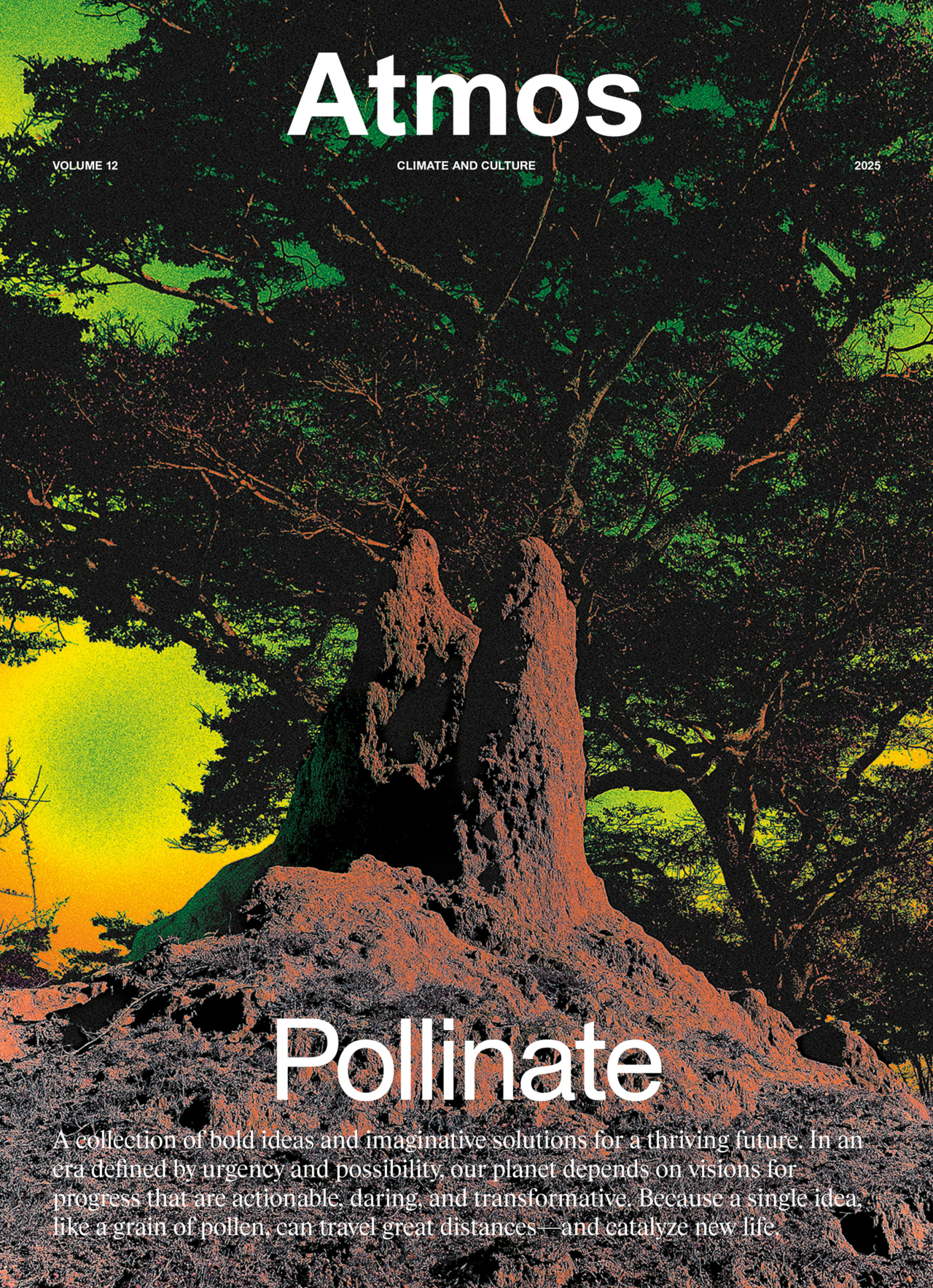
A collection of bold ideas and imaginative solutions for a thriving future. In an era defined by urgency and possibility, our planet depends on visions for progress that are actionable, daring, and transformative. Because a single idea, like a grain of pollen, can travel great distances—and catalyze new life.
The Race to Grow More Food on Less Land