
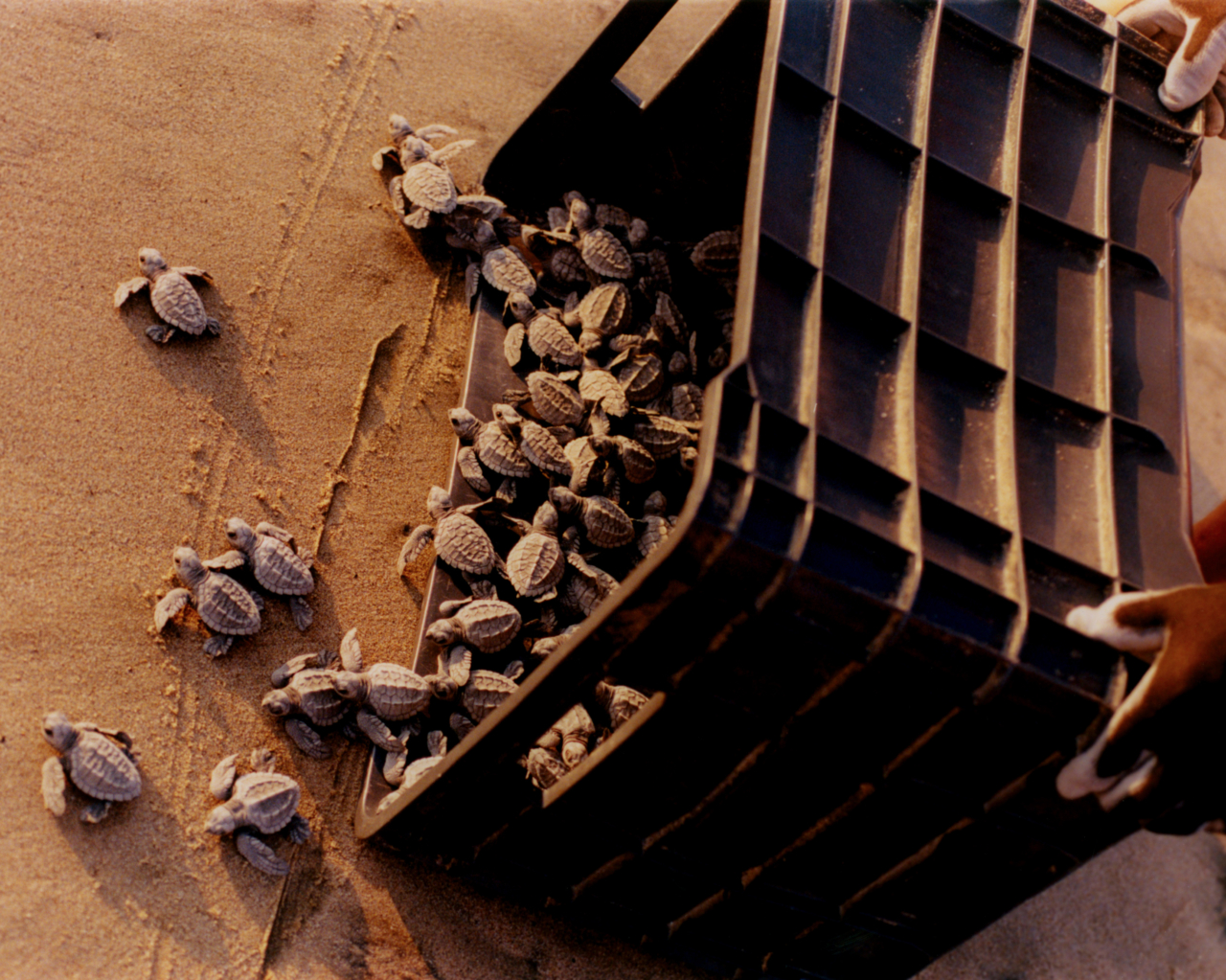
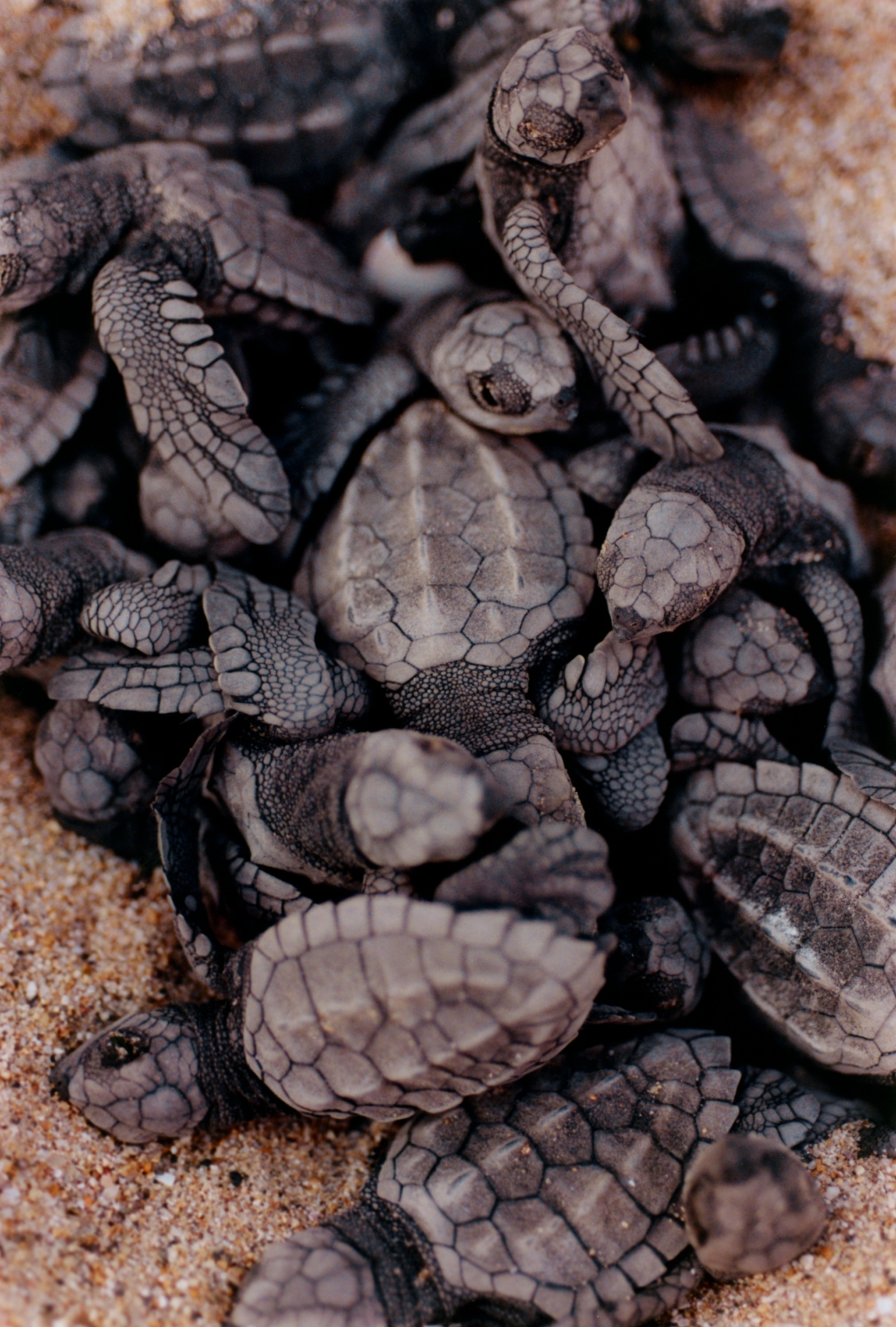

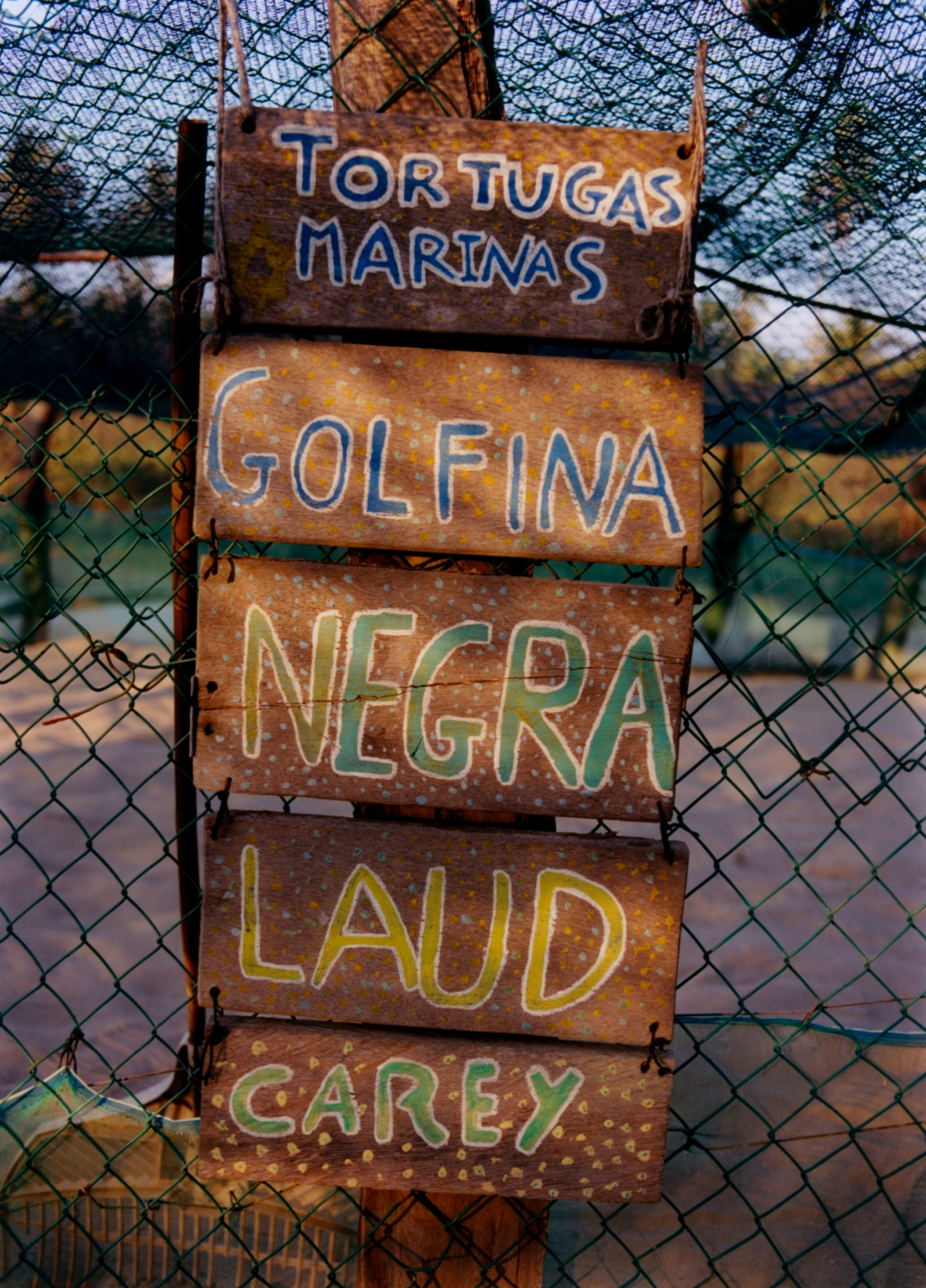

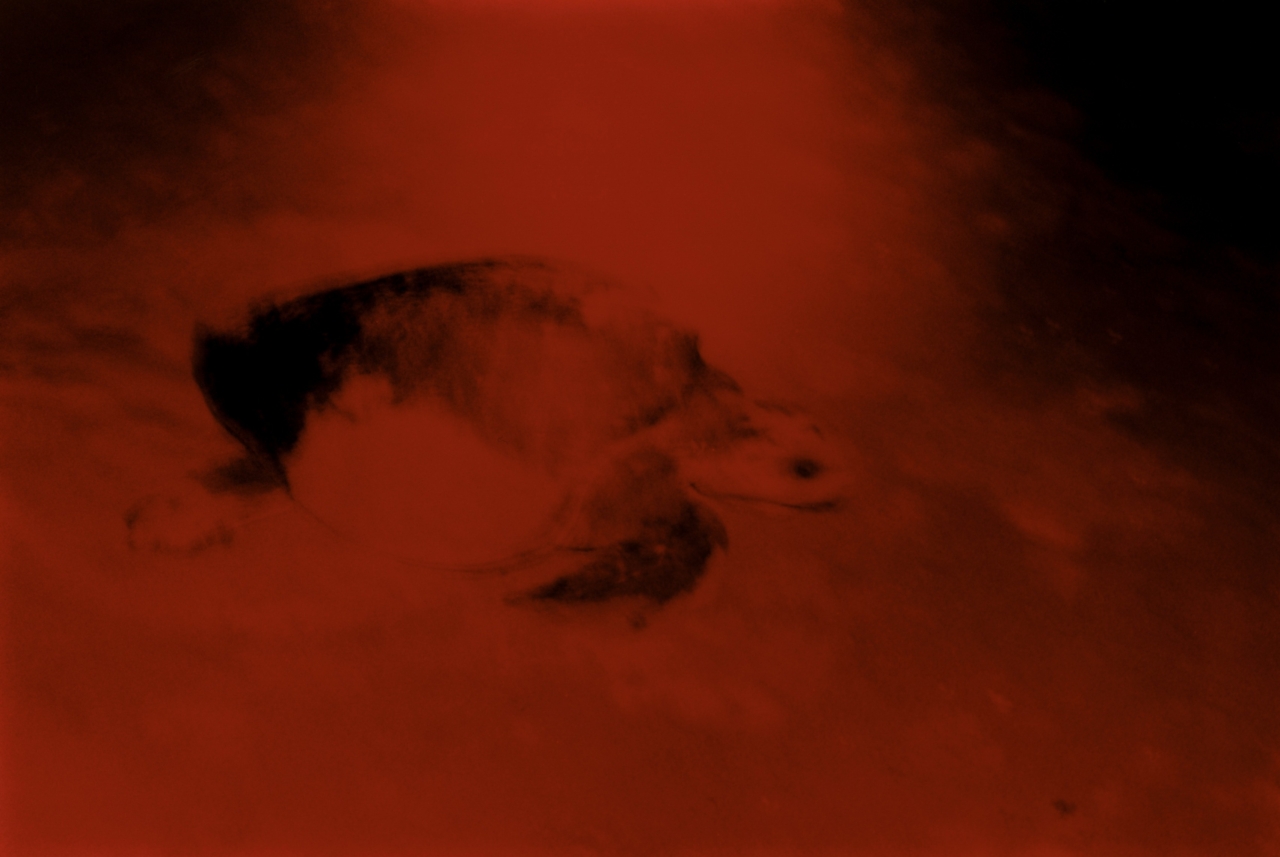
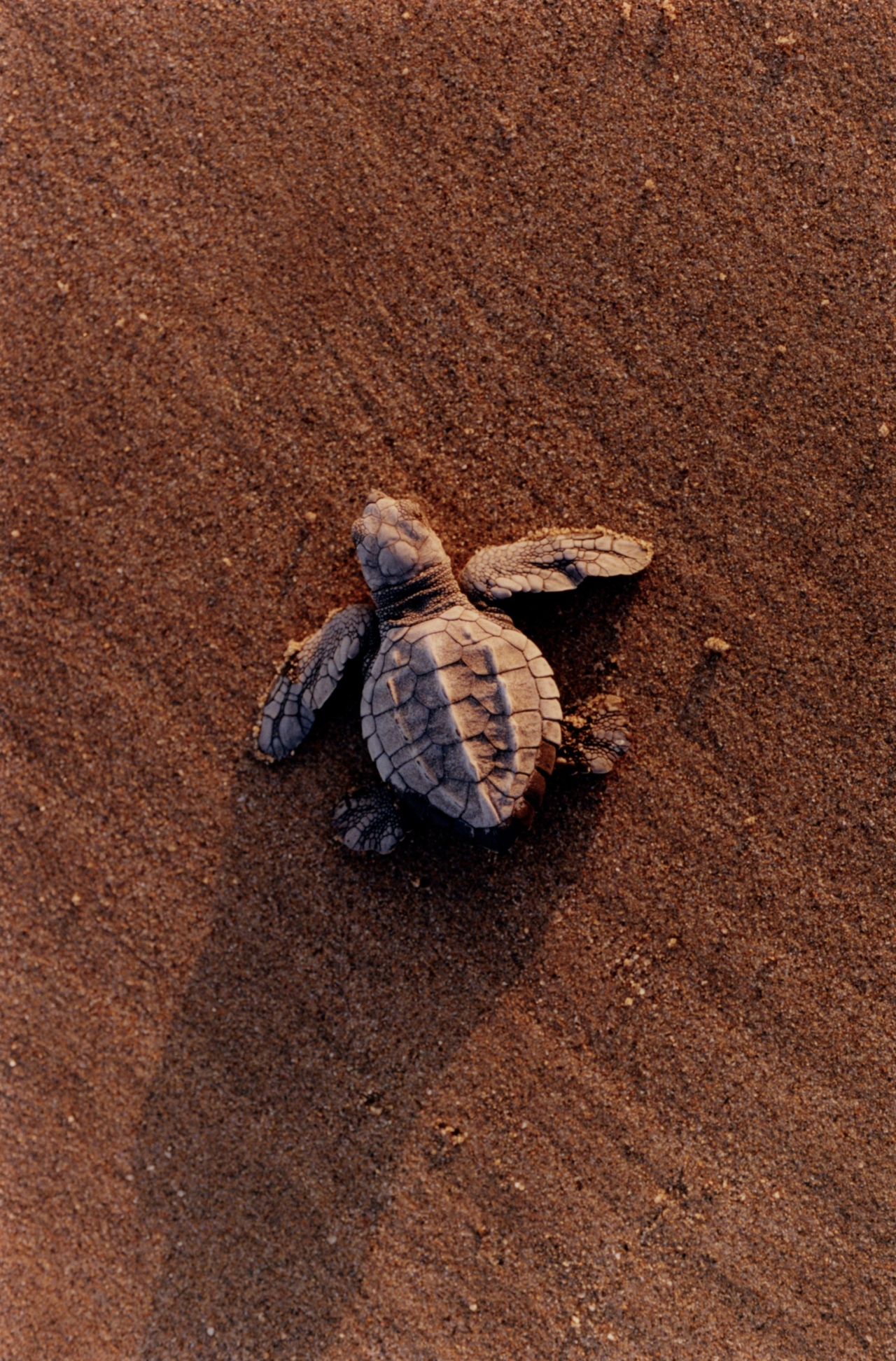
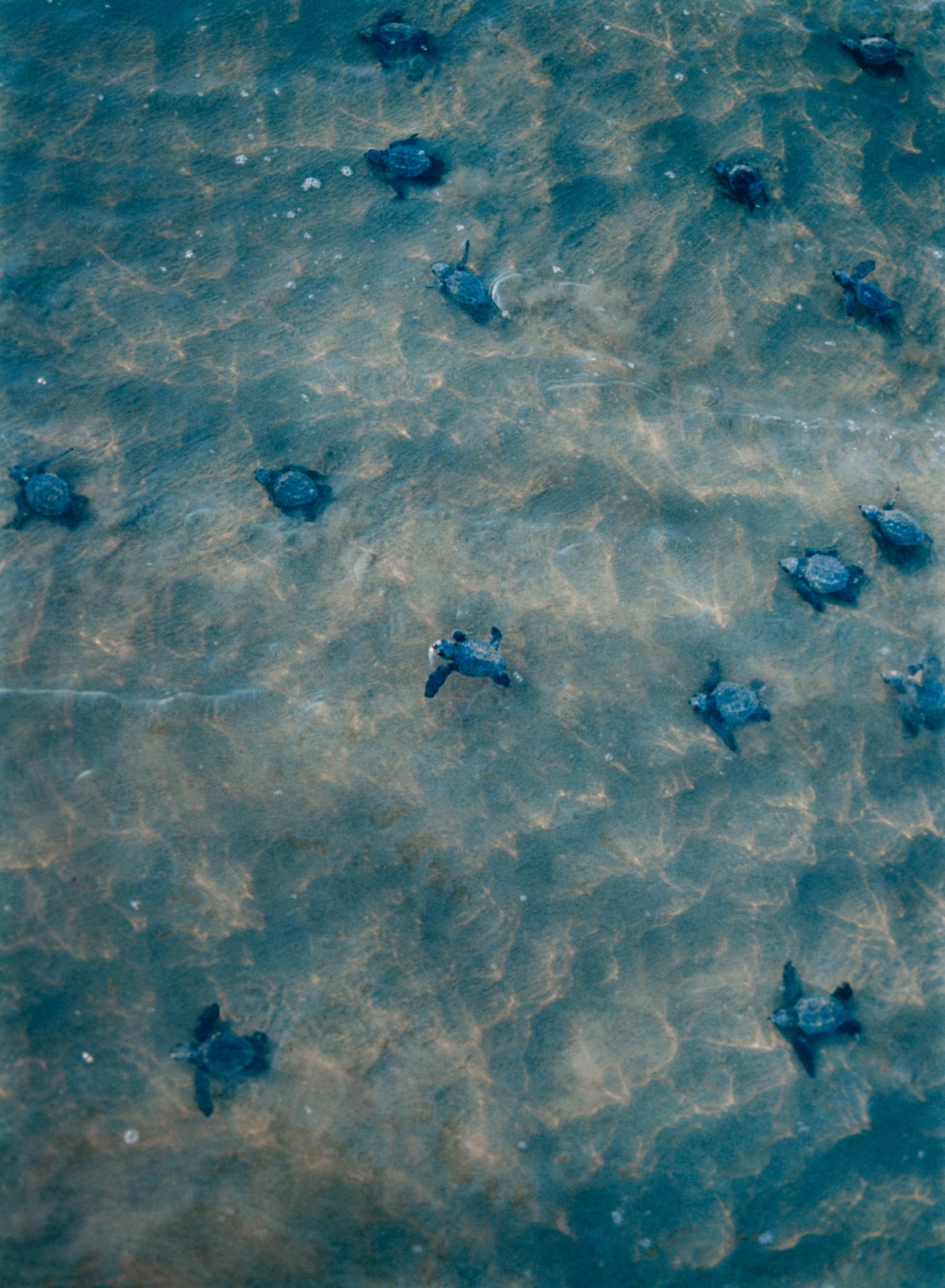
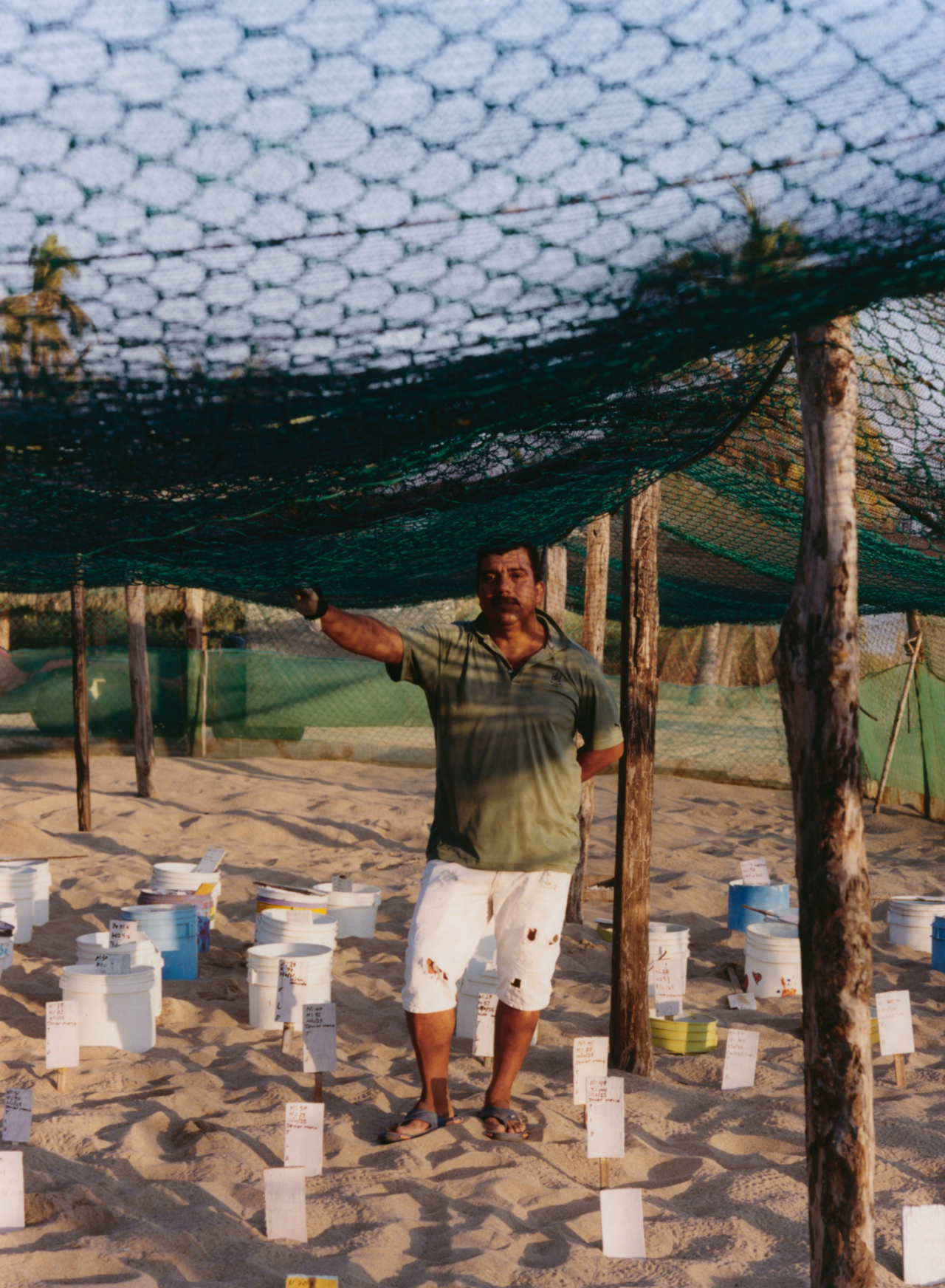



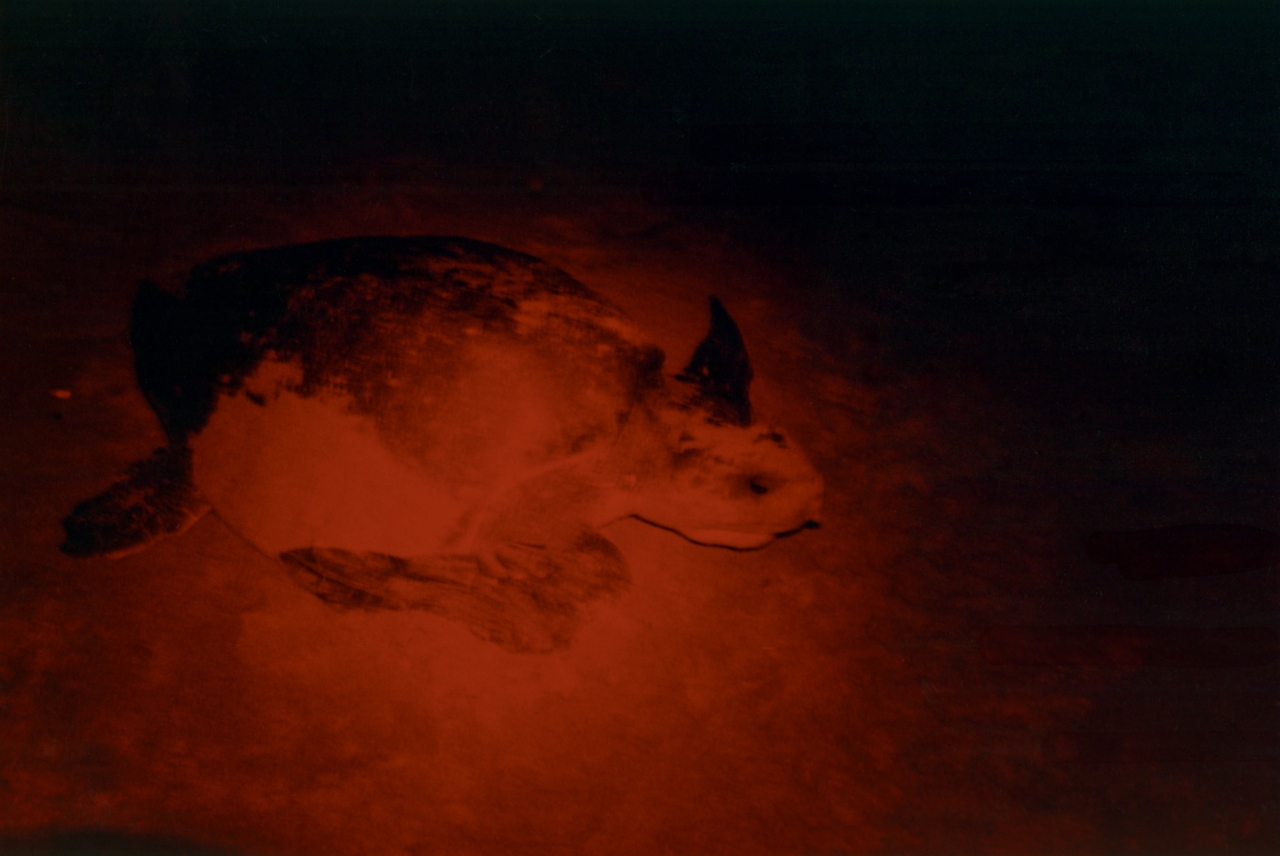

These photographs were shot at La Tortuga Viva, or “The Living Turtle”. Locally known as Asociación Civil Campamento Tortuguero Playa Icacos, this nonprofit conservation organization is dedicated to repopulating threatened sea turtle species nesting on Playa Icacos.
Words by Victoria Malloy
photographs by pia riverola
Jeff Foster was 15 when he helped catch his first whale for a marine park in 1971. For the next two decades, Foster played a pivotal role in capturing orcas for facilities that included the Seattle Marine Aquarium and SeaWorld.
In those years, the capture industry was booming and largely unregulated. Foster still remembers the cries of captured orcas: a haunting, repetitive distress call he says would continue for weeks, sometimes months, after the whales were transferred to park enclosures. Despite industry insistence that whales were incapable of humanlike emotion, Foster’s experience told him otherwise: What he observed, he says, were sentient beings with deep family bonds.
“I was really young when I experienced my first capture, caught up in the excitement and adventure,” he told Atmos. “But it later hit me that the whales were crying out. It started to really tug on my heartstrings.”
Many people like Foster who grew up in extractive wildlife trades—poaching, trophy hunting, and capturing animals for food or entertainment—are now reckoning with the ecological and ethical consequences of those industries. Today, as climate change and biodiversity loss accelerate, some of the very individuals who contributed to that decline are among wildlife’s most committed defenders.
For Foster, the turning point arrived in the 1980s. Zoos were starting to shift their focus toward education and conservation, but marine parks showed no sign of the same self-reflection. Whales were still treated as entertainers, confined to tanks a tiny fraction of their natural range.
Foster left the industry for good in 1996. He soon joined the Keiko Project, a massive, multi-year effort to rehabilitate and release the star of Free Willy to his native waters in Iceland and eventually Norway. Foster later joined disaster response units after Hurricane Katrina and the Southeast Asian tsunami, eventually earning NOAA’s Environmental Hero of the Year award. Today, he helps lead the Whale Sanctuary Project in Nova Scotia, a permanent refuge for retired captive whales. “It’s far easier to capture a killer whale than it is to set one free,” he said.
But one whale continues to haunt him: an orca named Wolfie, who was captured in Iceland toward the end of Foster’s career as a killer whale catcher. During the long transport from East Iceland to Reykjavik, an unexpected closeness formed between the two. Years later, at a marine life show in France, Wolfie broke from routine, spy-hopping and vocalizing directly toward Foster’s seat. “That solidified for me just how intelligent these guys are,” he said.
Like Foster, Victorino Palacios Morales experienced his own reckoning in Mexico. He grew up in a coastal community along the Pacific where turtle poaching was widespread. Stolen turtle eggs were routinely sold in local markets, eaten in households, and viewed as a reliable source of income for families living on the economic margins. They were also taken and sold at high prices for their perceived medicinal qualities.
Morales began gathering turtle eggs with his father at the age of 13 to help feed the family. “You could see an impressive number of white lights at night because people were out looking for turtles and their eggs,” he said. Years later, in 1999, the Navy caught him carrying 1,200 eggs. Morales, who was a new father, spent 28 days in jail; the subsequent financial strain of mandatory weekly reporting soon outweighed anything he had earned.“That was when I thought to myself, the next time I went to the beach, it would be to protect the turtles,” he said.
And so, Morales joined La Tortuga Viva, a sea turtle sanctuary in Juluchuca, and has in the past 18 years helped rescue and release hundreds of thousands of hatchlings. “Even though I was once part of the decline of the species I now protect, I feel that I have repaired that damage and will continue to do so [for] as long as I can,” he said. “The turtles have taught me to treat them with care, protect them, and look after them. They are a beautiful species that deserves all the care we can give.”
“Even though I was once part of the decline of the species I now protect, I feel that I have repaired that damage and will continue to do so for as long as I can.”
In Nigeria, Sunday Abiodun came to the same realization. Hunting had been passed down from his father and grandfather for his livelihood. But as leopards, antelopes, pangolins, and other wildlife became scarce across Ogun State, a forest-rich region that sits at the edge of the country’s southern savanna, he quickly understood his role in the loss. “Human activities, including poaching, were part of the problem,” he said. “And I wanted to be part of the solution.”
Abiodun now works with the Nigerian Conservation Foundation, raising conservation awareness in local communities and educating the public on the vital role species such as pangolins and vultures play in environmental health. “Sometimes the feelings of being a hunter resurface,” he said. “When that happens, I remind myself how vital the work I’m doing now is to the ecosystem and the protection of animals. That thought fuels my commitment.”
Around the world, conservationists are increasingly relying on the hard-earned knowledge of people like Foster, Morales, and Abiodun. The skills once used for poaching often turn out to be those most needed for protection.
In Kenya, The Sheldrick Wildlife Trust employs former hunters in the 29 anti-poaching teams it runs in partnership with the Kenya Wildlife Service. Many shifted to conservation when offered stable work and the opportunity to protect wildlife rather than exploit it. “What was once subsistence-level hunting has become a devastating—and highly lucrative—black market business,” said Sean Michael, director of communications for Sheldrick Wildlife Trust. “Former hunters understand the landscape in a completely unique way. They know exactly how poachers operate.”
It’s a sentiment that’s echoed by NCF program lead Stella Egbe. “Ex-hunters understand animal behavior and the historical distribution of wildlife across the landscape [like no one else],” she said. “The contribution of Indigenous knowledge to conservation efforts cannot be overemphasized.”
That knowledge is critical in a world where wildlife trafficking, driven by international demand for high-value animal parts like rhino horns and pangolin scales, ranks among the most profitable illicit trades, according to the UN Office on Drugs and Crime. In a single month, SWT units may cover tens of thousands of kilometers, remove thousands of snares, recover huge quantities of ivory, and make dozens of arrests. “It doesn’t always work out,” said Michael. “There’s always a risk of former poachers being tempted back to their old ways, or even using inside information from the conservation side. But for those who remain committed, the impact is profound.”
That impact is felt on an individual level, too. Yukon guide Phil Timpany spent years of his professional life helping trophy hunters track grizzlies and escorting clients into shooting range. He recalls looking down from a float plane in northwestern Canada at nine grizzlies he had guided clients to kill, and feeling a surge of anguish.“What gave me the right to put those bears to death?” he said.
Guiding trophy hunters forced Timpany to confront the arbitrary logic behind the kills. Many clients, he said, arrived with little understanding of grizzly behavior or ecology. Some couldn’t shoot accurately, leaving him to deliver the final, fatal round. “I’ve asked every hunter I guided what motivated them to kill a grizzly bear,” he said. “I never received a single coherent answer.”
Over time, Timpany came to believe many Yukoners inherited a “broken perception of intolerance and fear” towards grizzlies, shaped by generational storytelling and sustained by the legacy of trophy hunts. That mindset, he argues, has long been reinforced by policies that treat grizzlies as adversaries rather than ecological engineers.
But alternatives are gaining traction. Nimmo Bay’s Bullets for Binos program—a wilderness resort located in the Great Bear Rainforest on the central coast of British Columbia—offered hunters a chance to trade in their grizzly licenses for bear-viewing trips, a simple shift that redirected the urge to encounter grizzlies away from domination and toward curiosity. The program helped lay the groundwork for British Columbia’s 2017 ban on grizzly trophy hunting, which was strengthened by independent economic analysis showing that bear-viewing generates far more revenue for the province than killing bears ever did.
Now a long-time Yukon resident, Timpany leads ethical bear-viewing tours in Ni’iinlii’njik (Fishing Branch) Territorial Park alongside the Vuntut Gwitchin. For him, the work is ecological and personal. “People who come on our trips become ambassadors for bears,” he said. “And every time I see one in the wild, it feels like they know I’ve put my time in—and forgiven me.”
Join our membership community. Support our work, receive a complimentary subscription to Atmos Magazine, and more.
From Poachers to Protectors: Why Former Hunters Are Now Guardians of the Wild