

















Words by Atmos
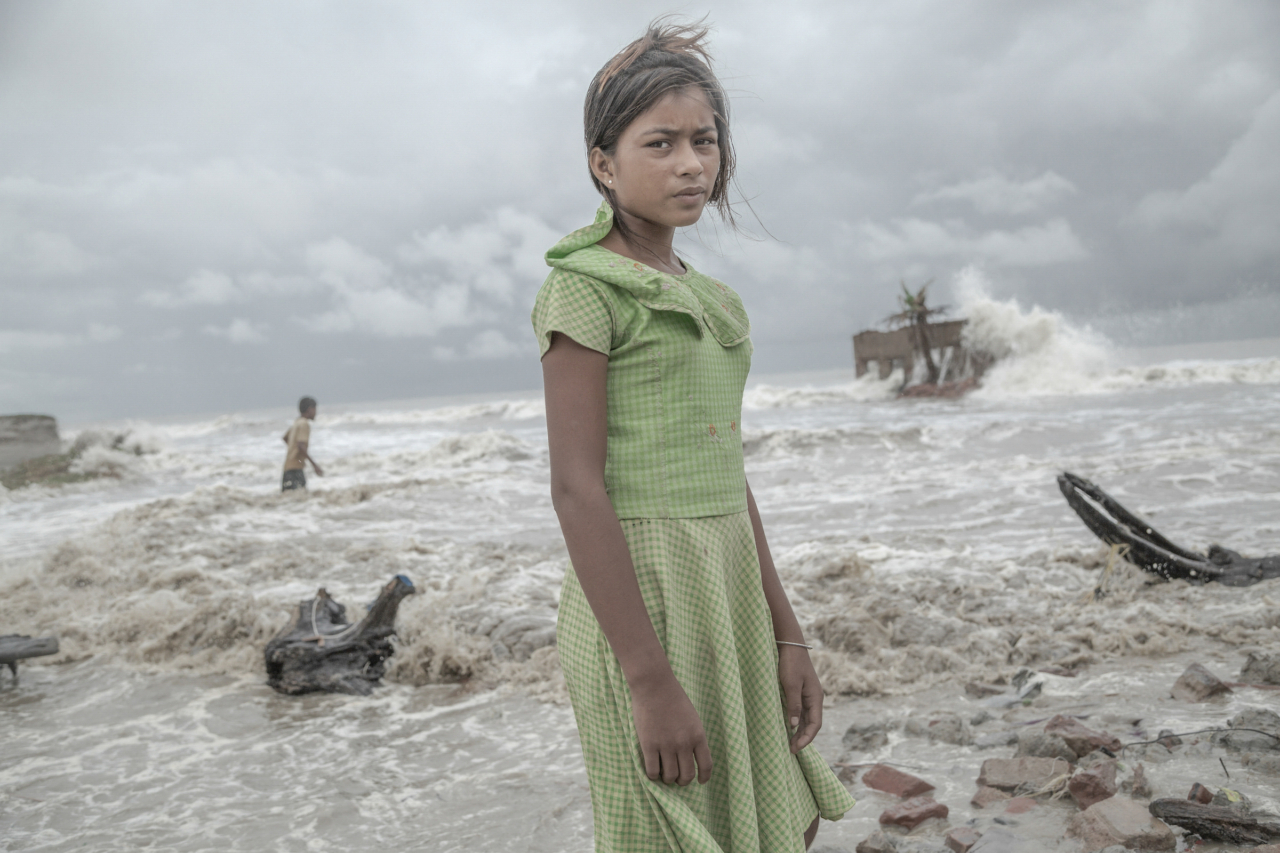
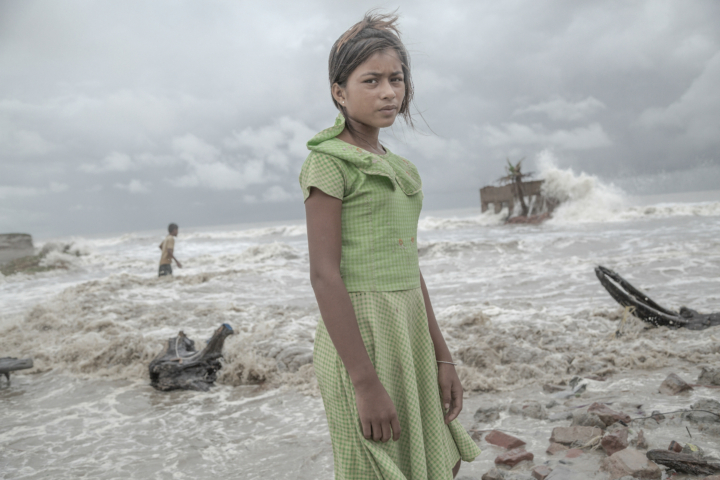
On a shrinking mangrove island in the Bay of Bengal, a boy watches the tide inch closer. In Montana, women braid sweetgrass that may soon be gone. In the Amazon, red earth spreads where forests once stood. These are the terrains in which Vital Impacts is funding projects this year.
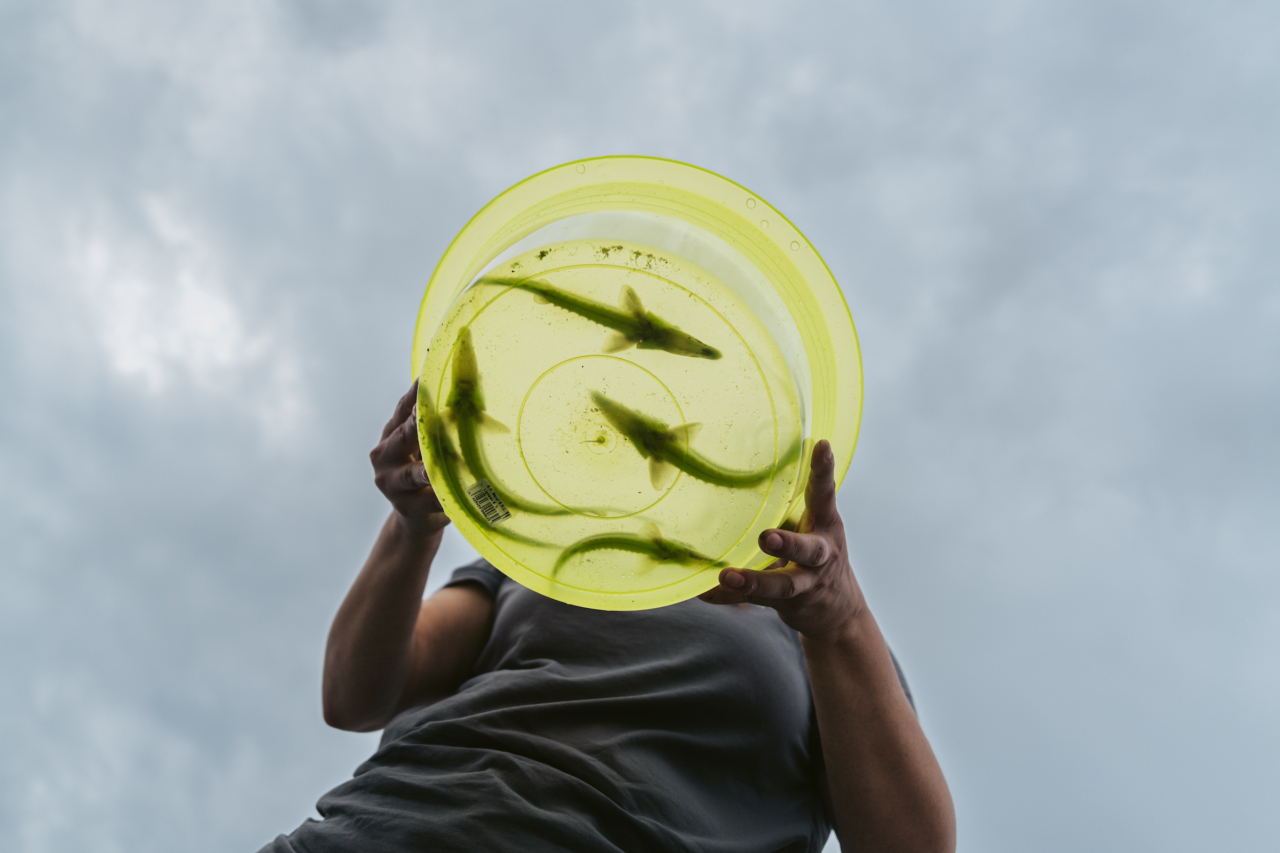
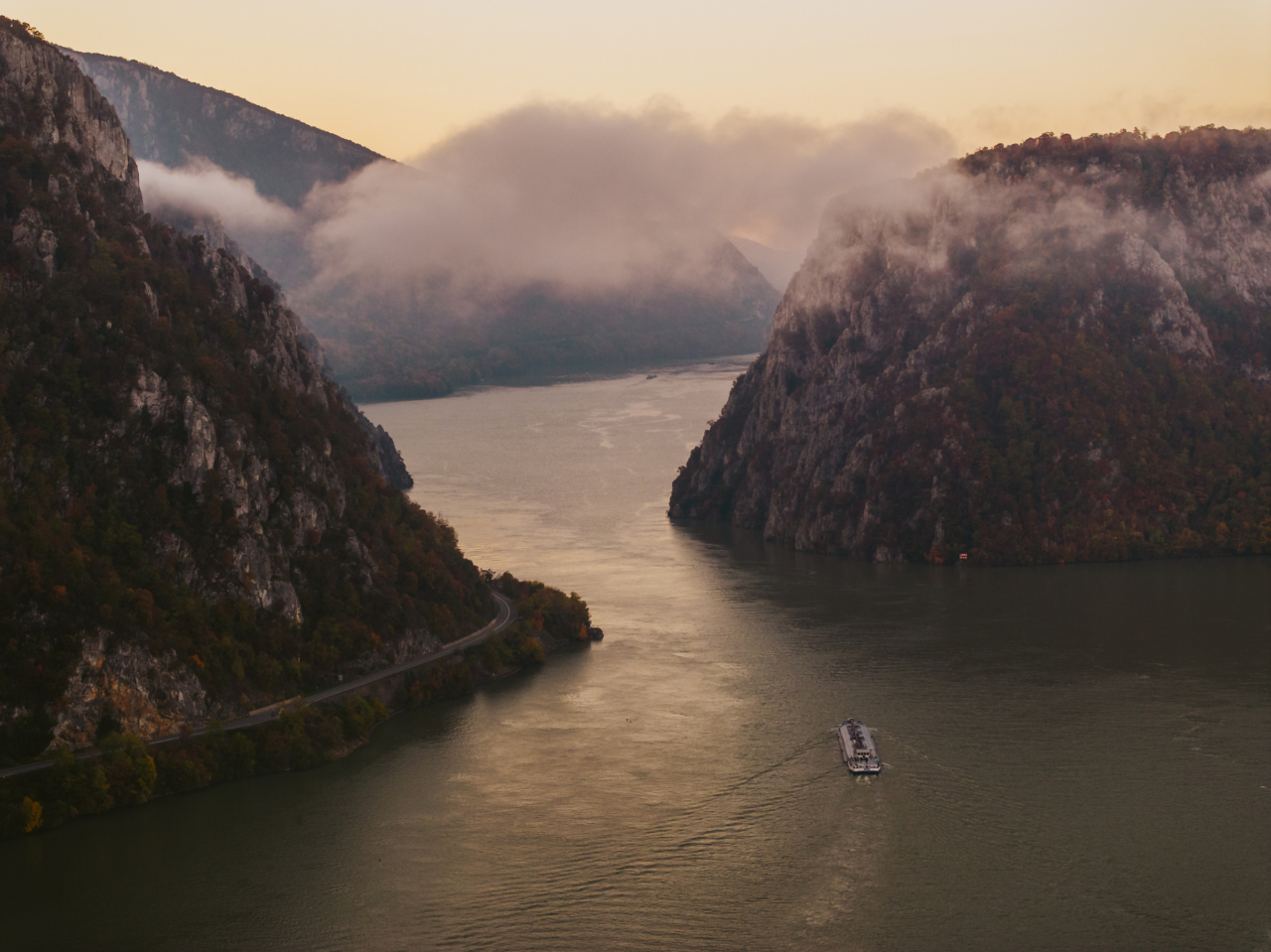
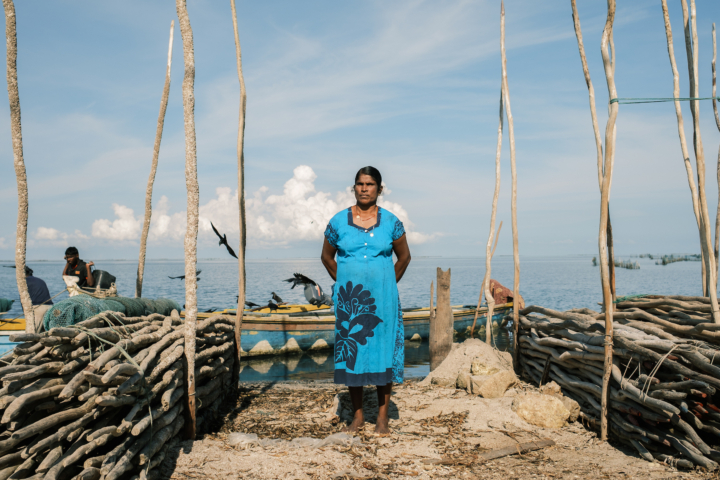
Now in its third year, the environmental photography nonprofit founded and led by acclaimed journalist, photographer, and filmmaker Ami Vitale has awarded seven fellowships totaling $50,000 to photographers exploring the fragile and evolving relationship between people and the planet. At a time when funding for in-depth environmental storytelling continues to shrink, the program offers not only critical financial support, but also the professional guidance and trust photographers need to pursue ambitious, long-term work.
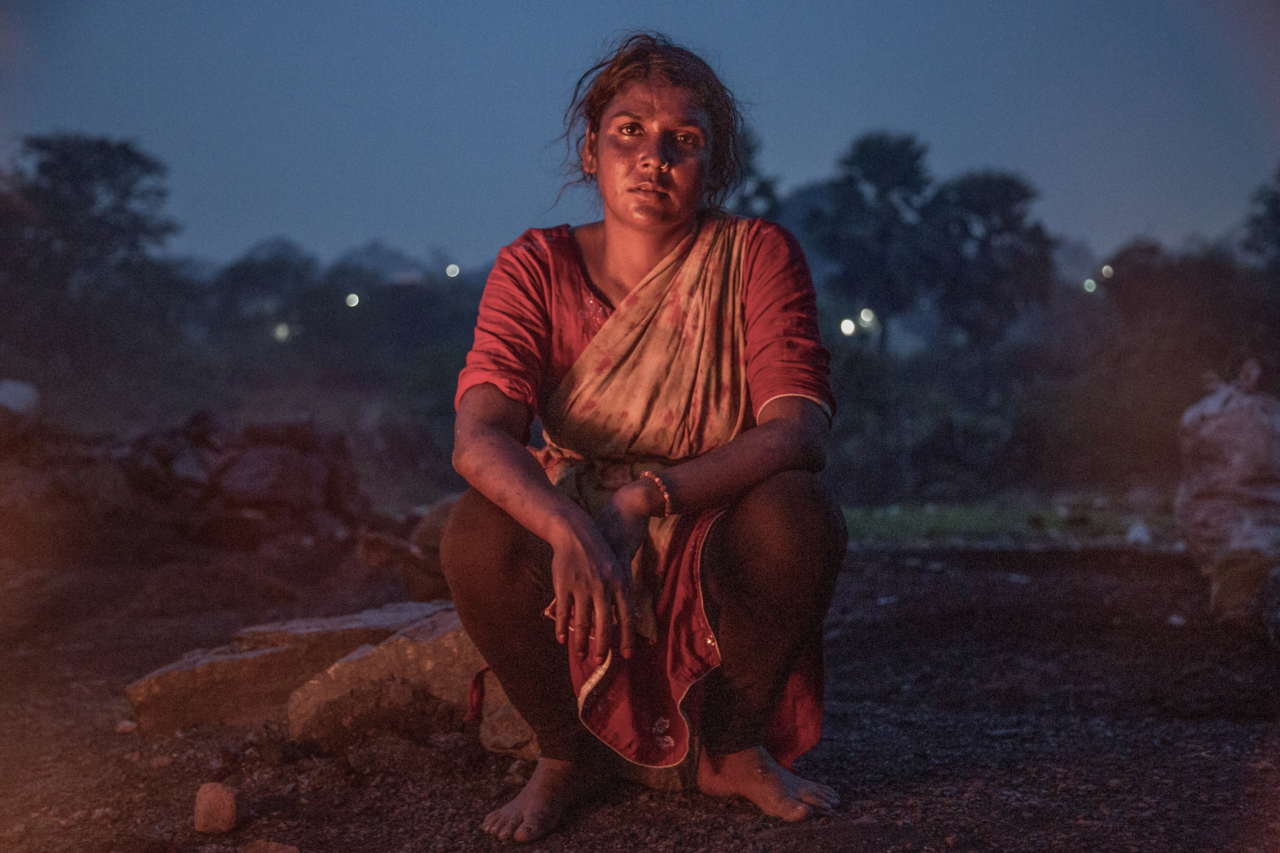
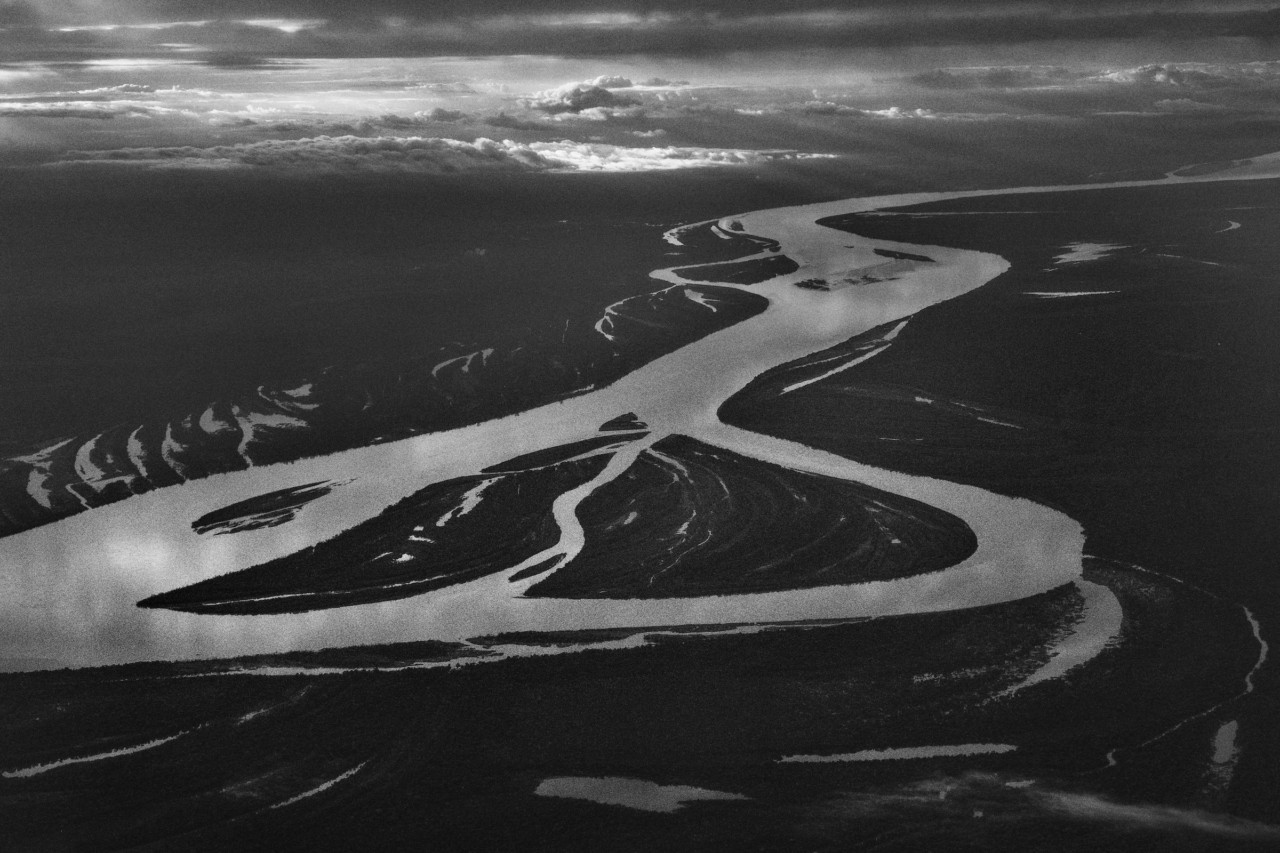
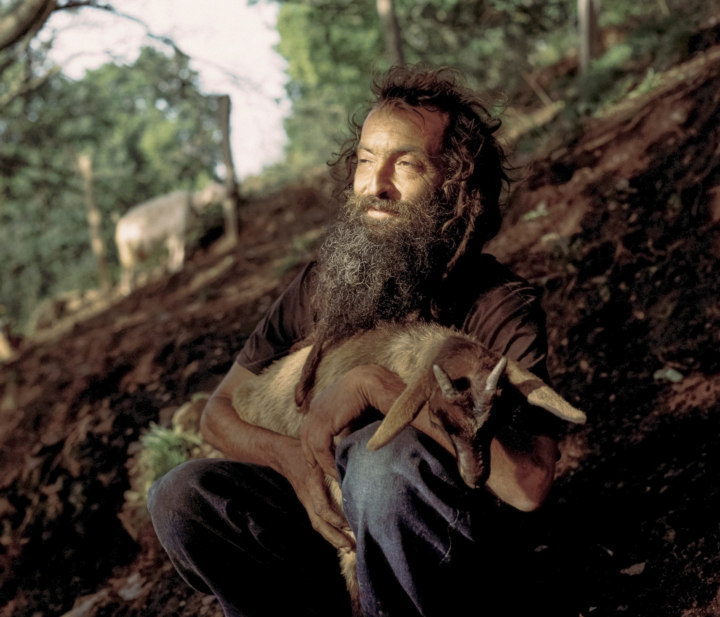
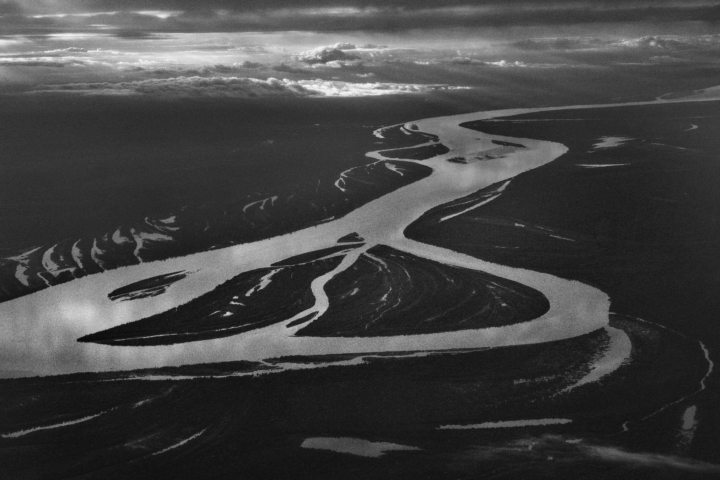
One recipient, photographer Tommaso Protti, was awarded the Vital Impacts Dr. Jane Goodall Environmental Photography Fellowship to expand his long-running project, “Terra Vermelha,” which examines the nexus of deforestation and organized crime in the Brazilian Amazon. Working across the nine states of Amazônia Legal, Protti traces how illegal logging, mining, and land grabbing fuel displacement and ecological collapse.
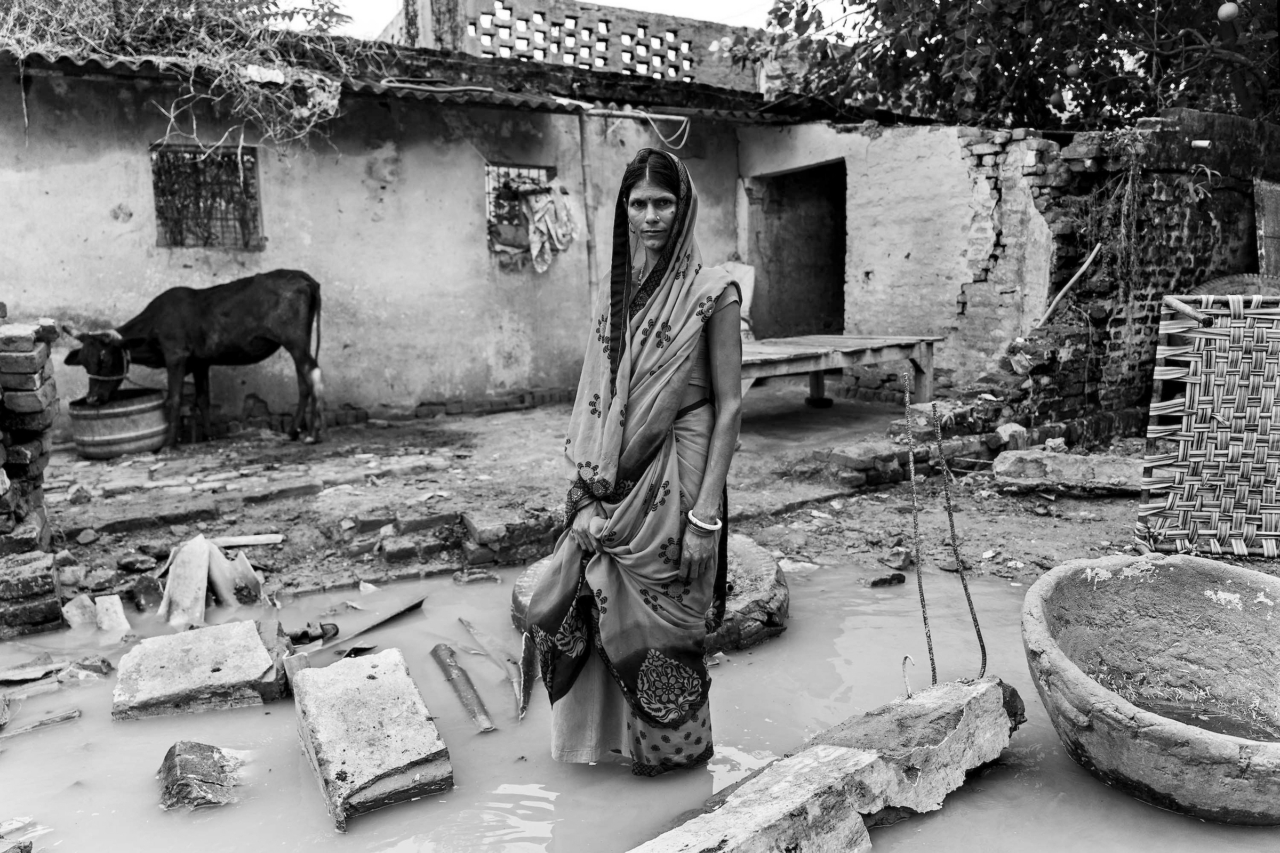
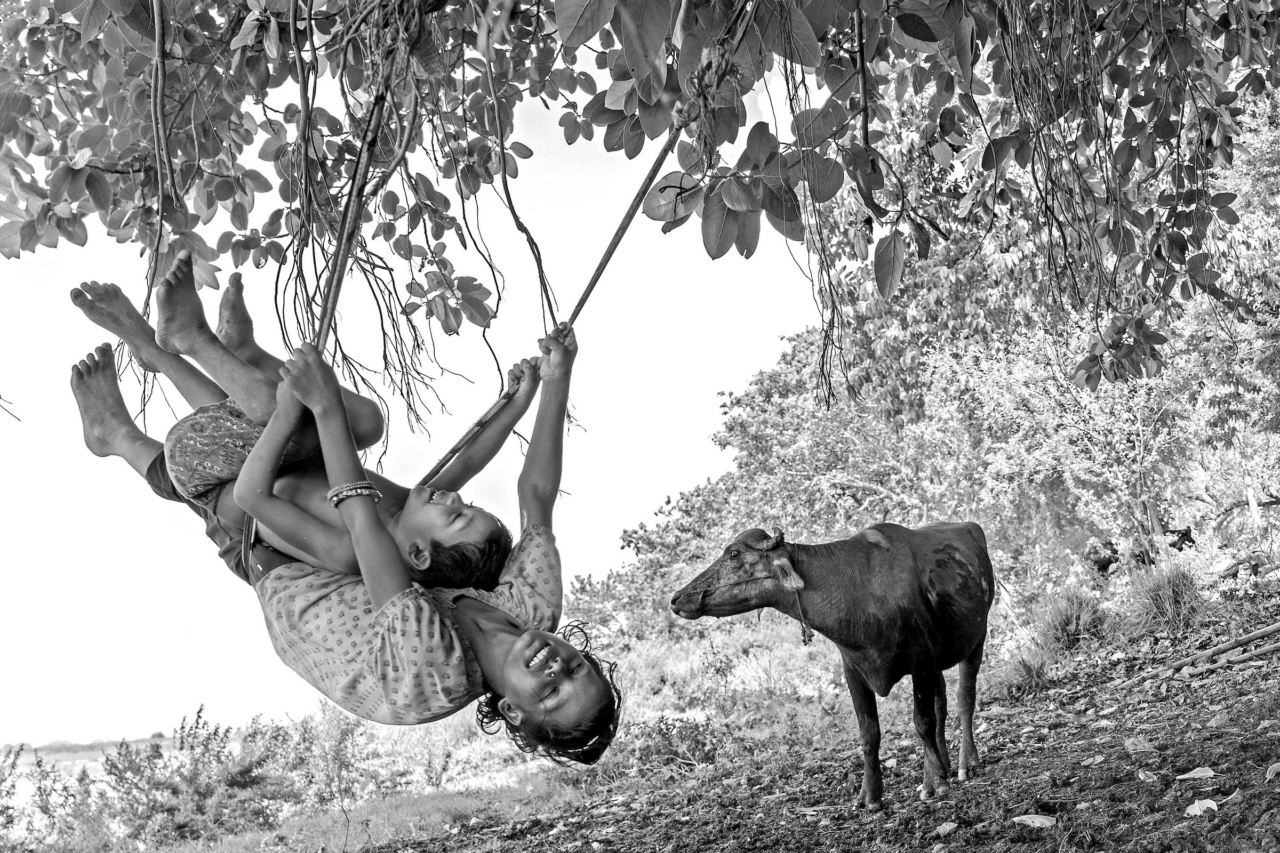
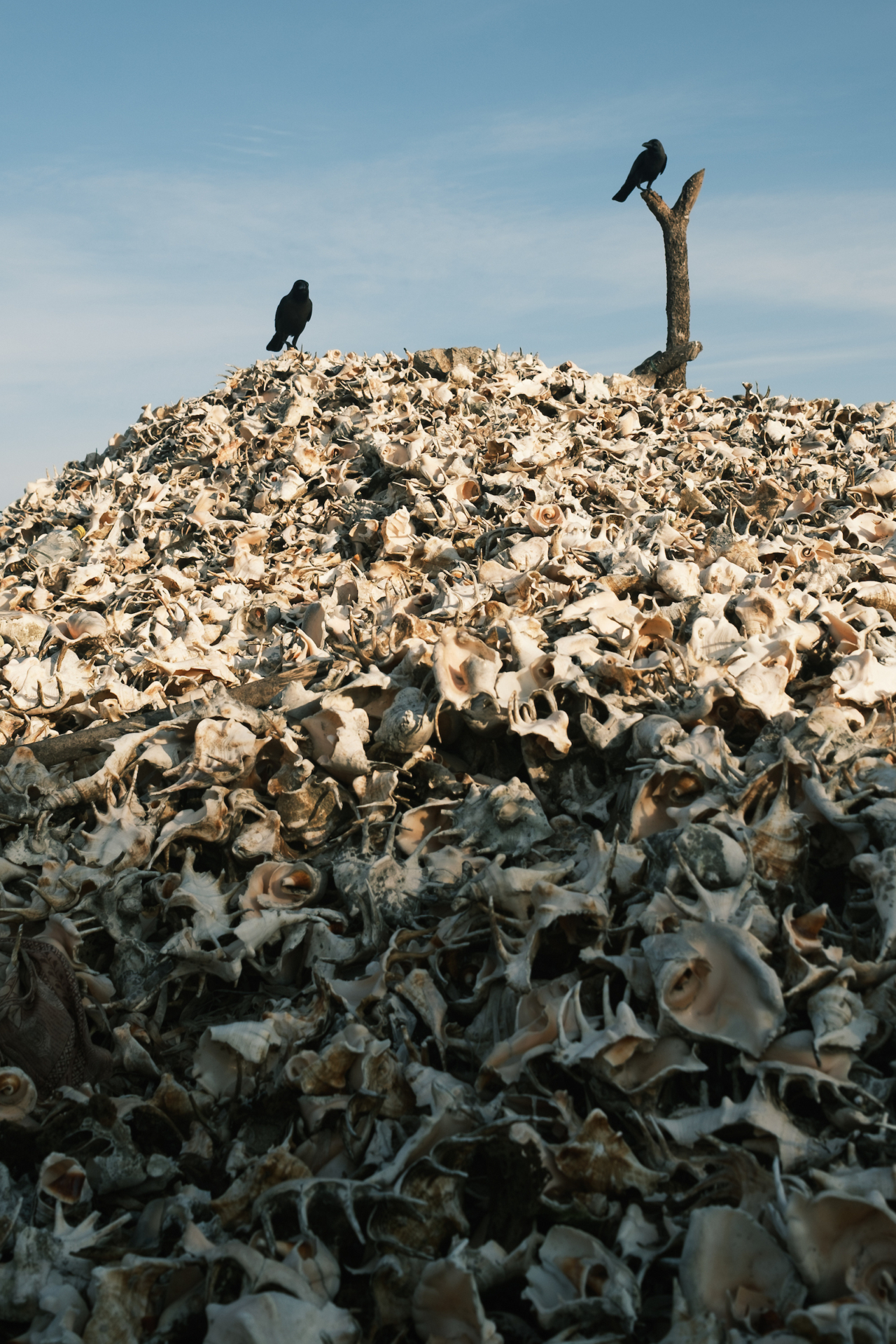
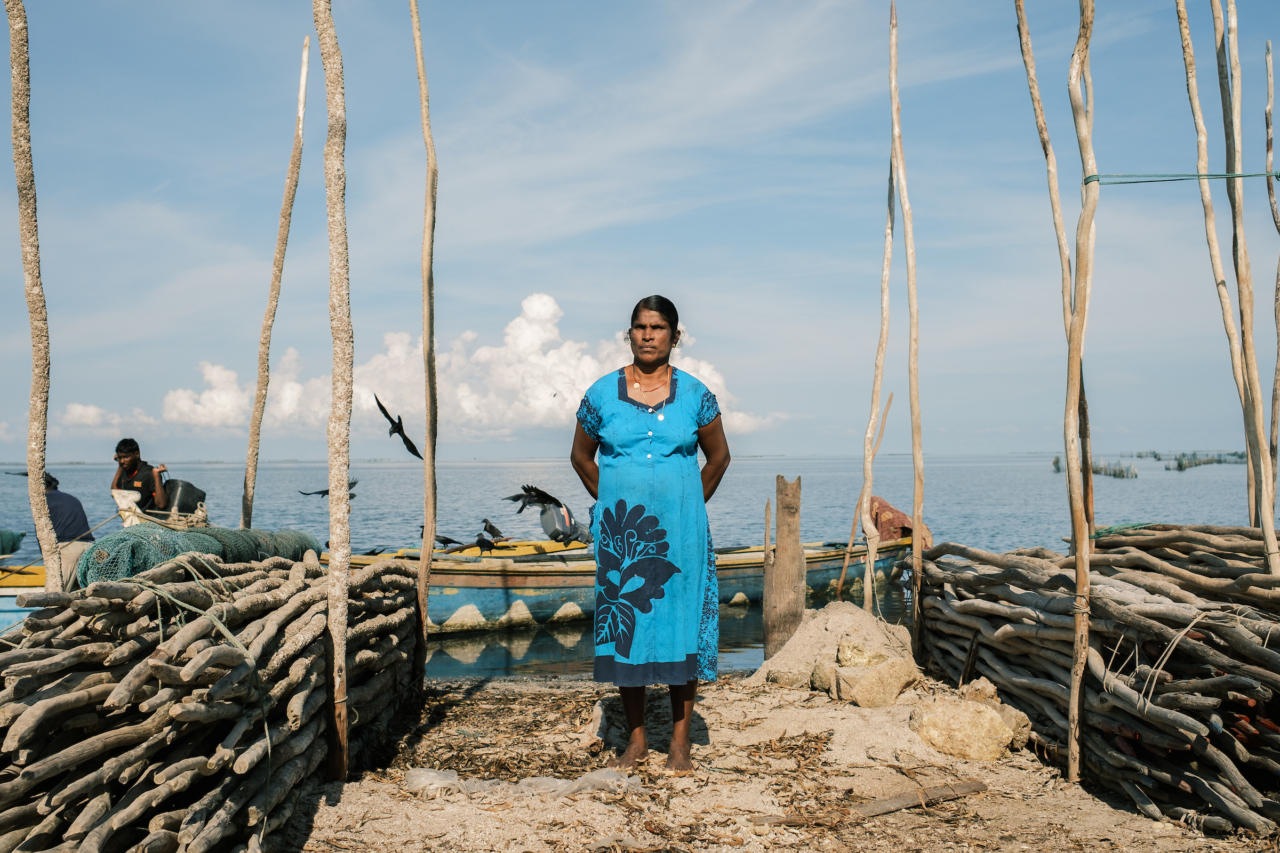
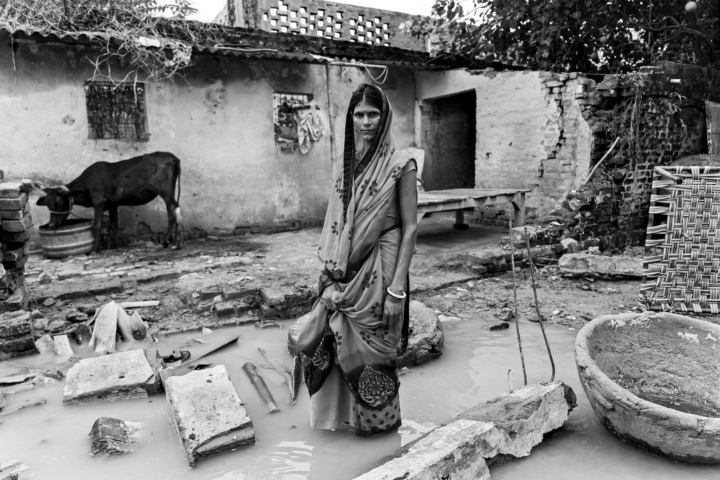
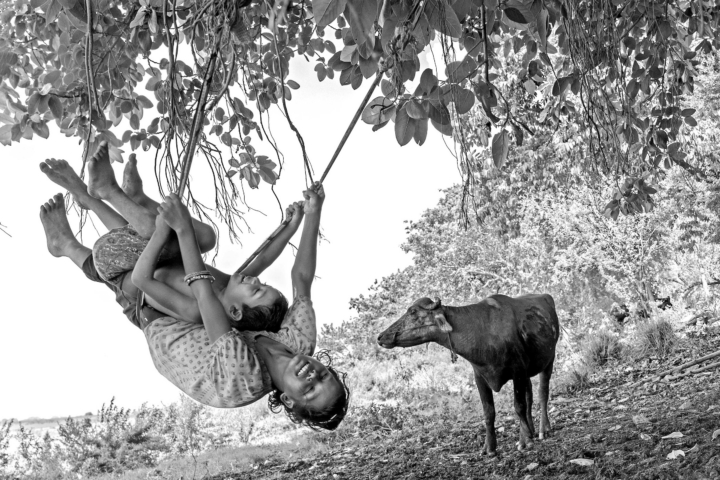
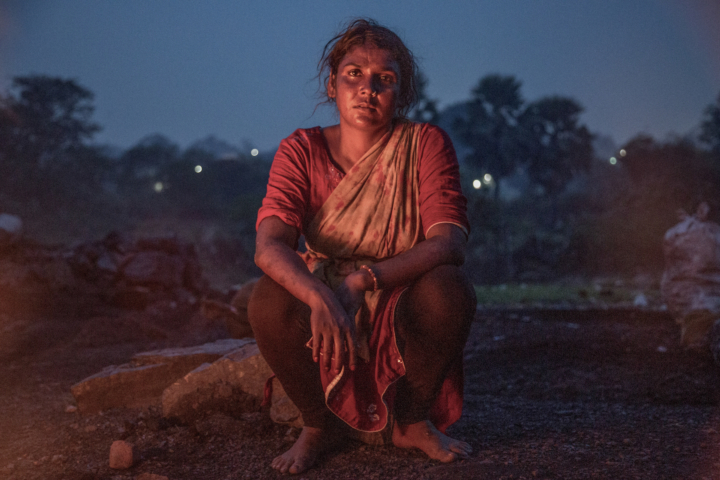
Also among this year’s fellows is Supratim Bhattacharjee, an Indian photographer whose work chronicles the human cost of climate change. His project “Sinking Sundarbans” follows rising seas in the world’s largest mangrove ecosystem, revealing how people living at the water’s edge are responding with local solutions. His earlier reporting on coal mining and India’s water crisis, recognized with multiple honors from UNICEF, reflects a sustained commitment to storytelling that advocates for change.
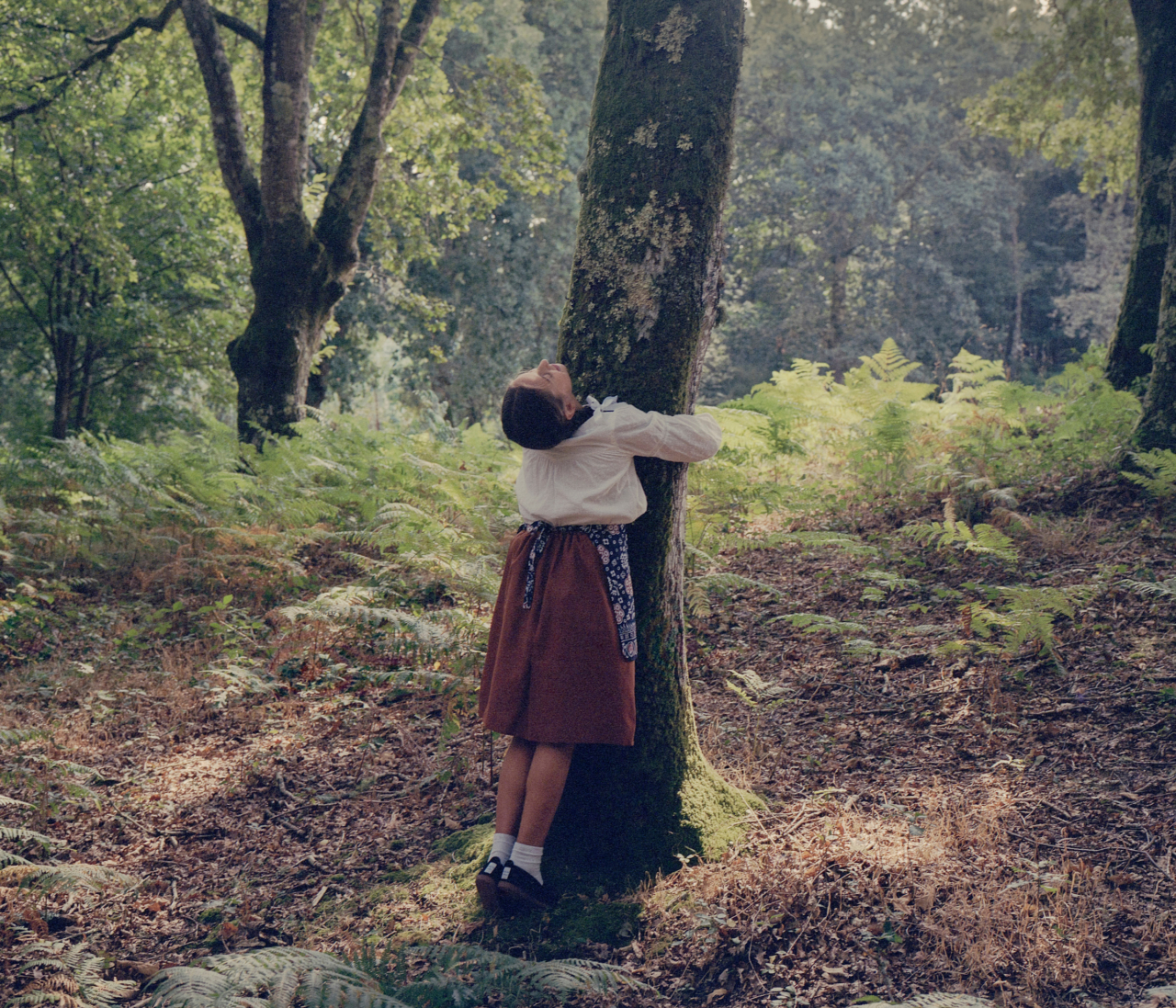
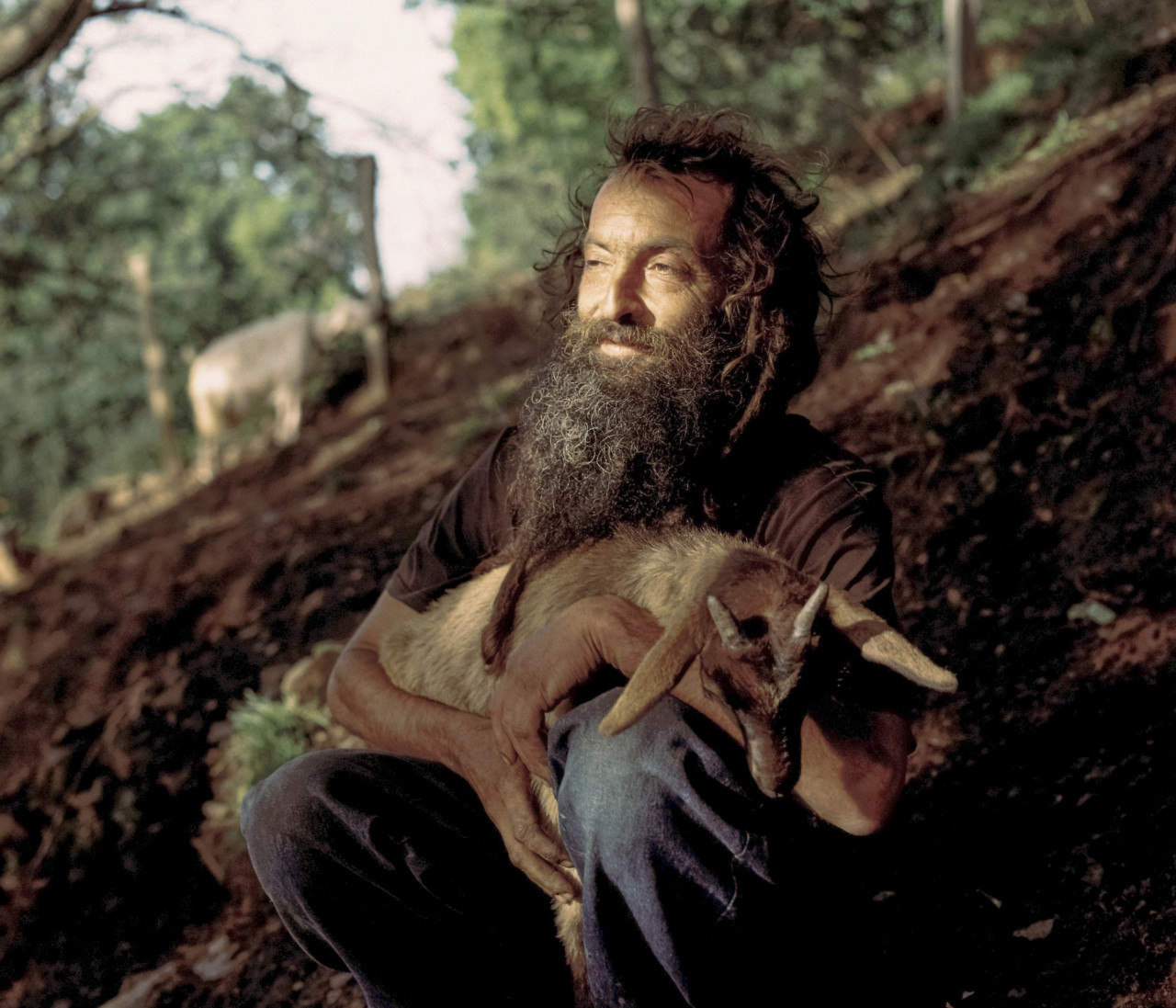
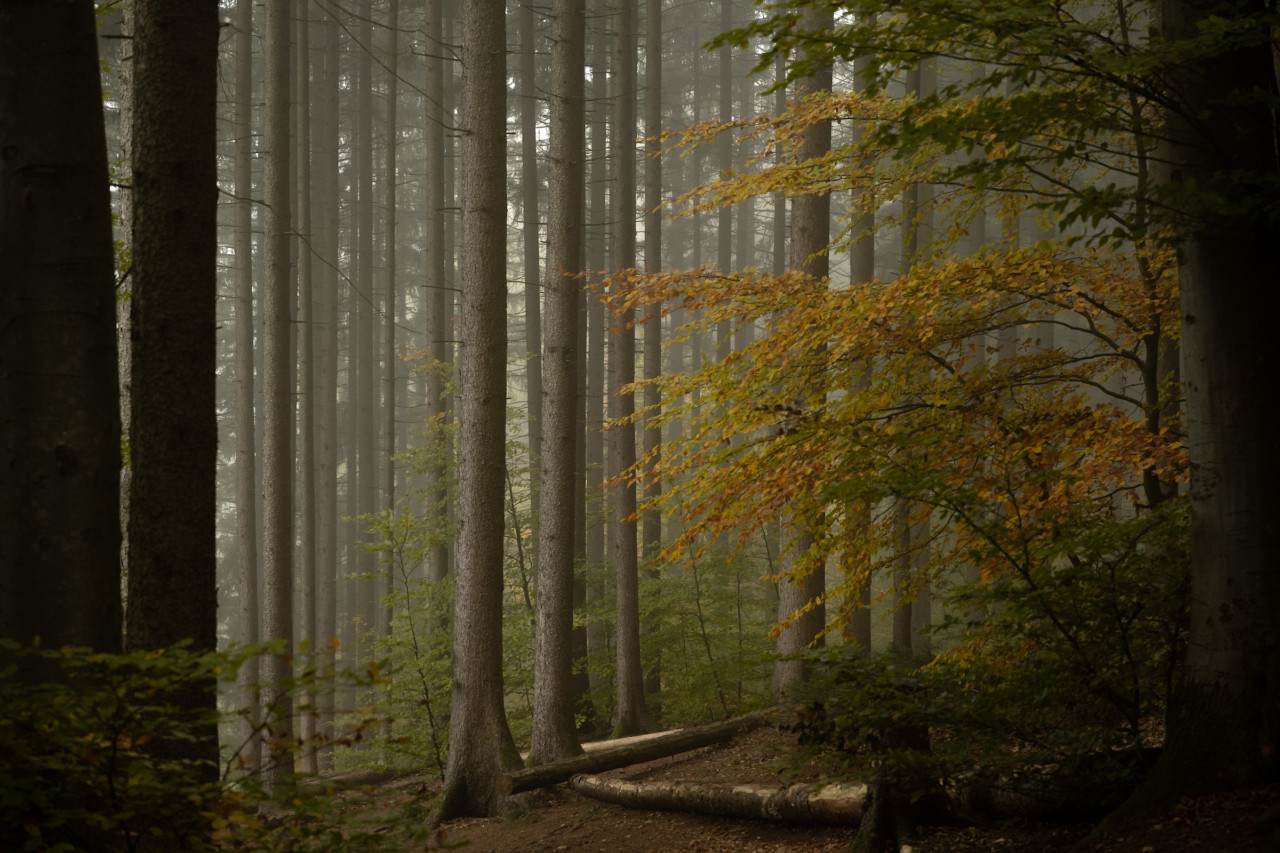
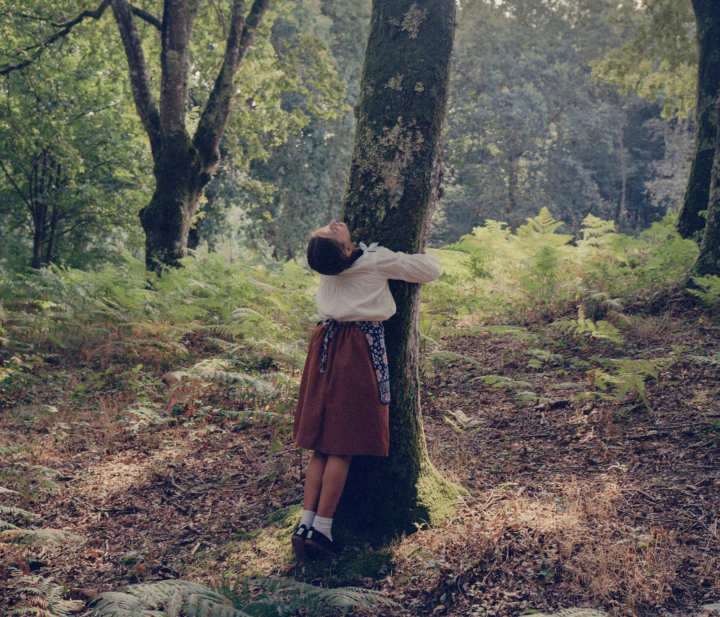
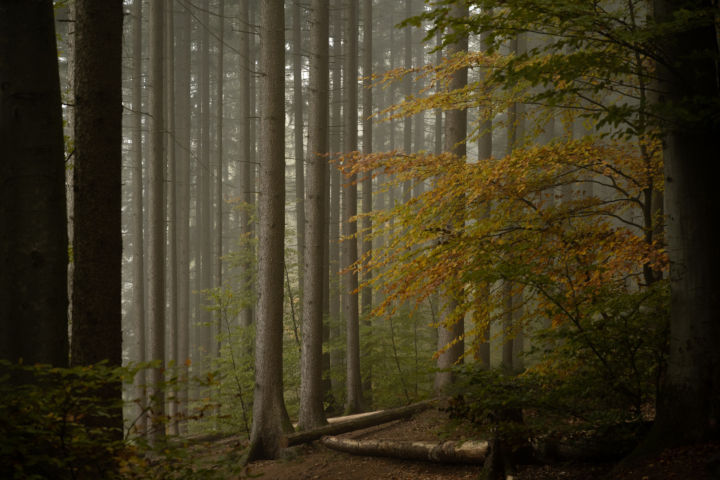
On the other side of the world, in northwest Spain, Carlos Folgoso Sueiro turns his lens on rural Galicia, where depopulation, invasive eucalyptus plantations, and other climate pressures are reshaping land and identity. His project, “Beyond the Lake,” weaves folklore and personal history into a quiet, deeply rooted exploration of place that honors cultural memory and imagines how connection to land might endure even as the landscape itself transforms.
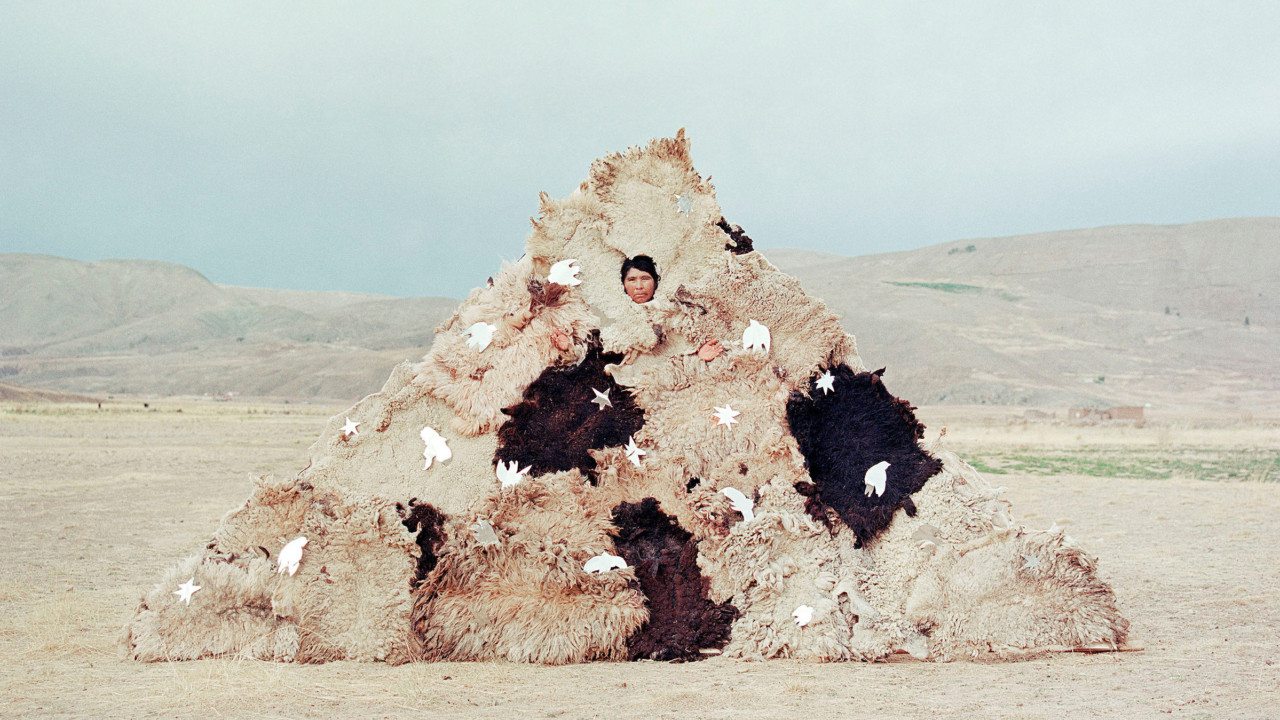
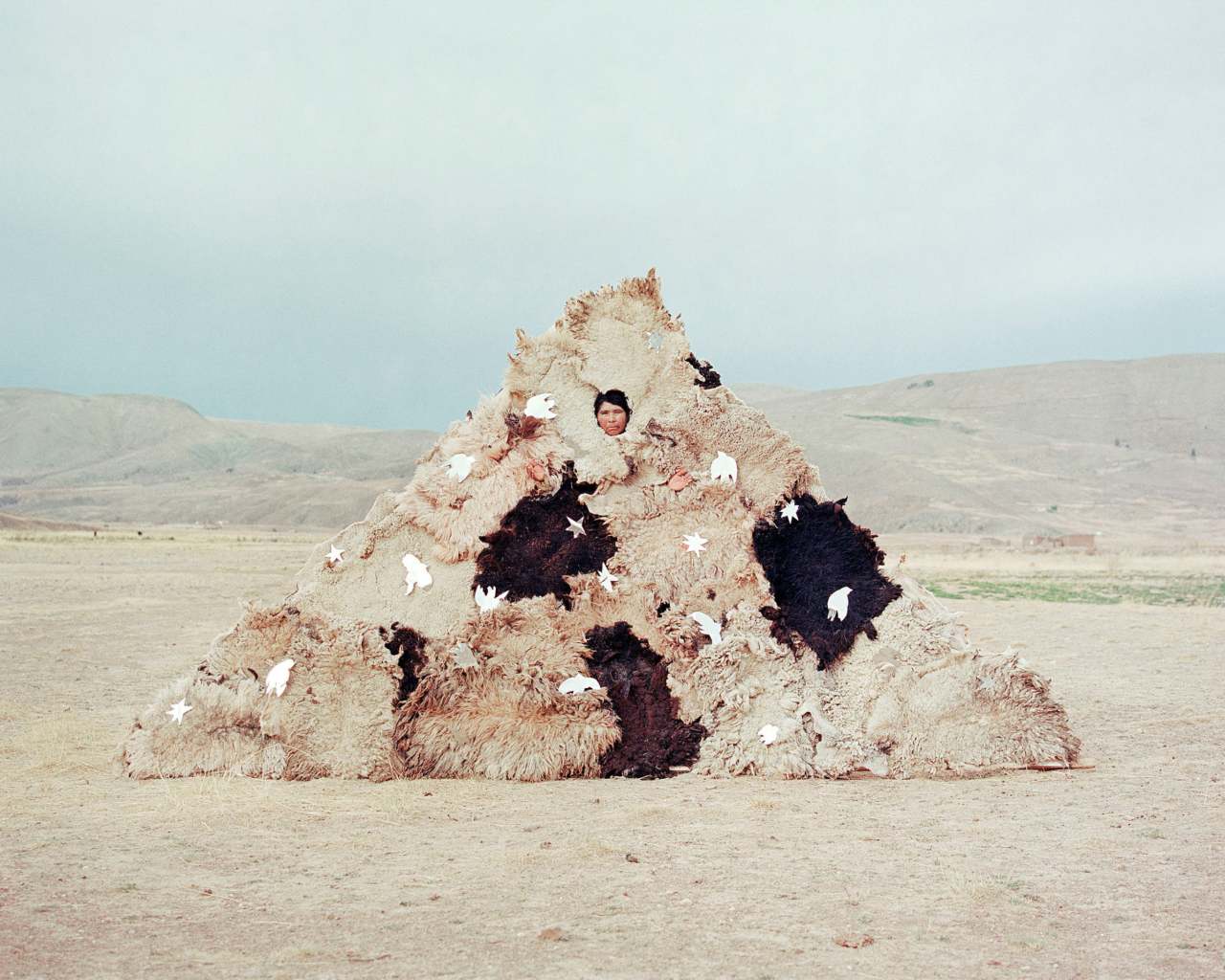
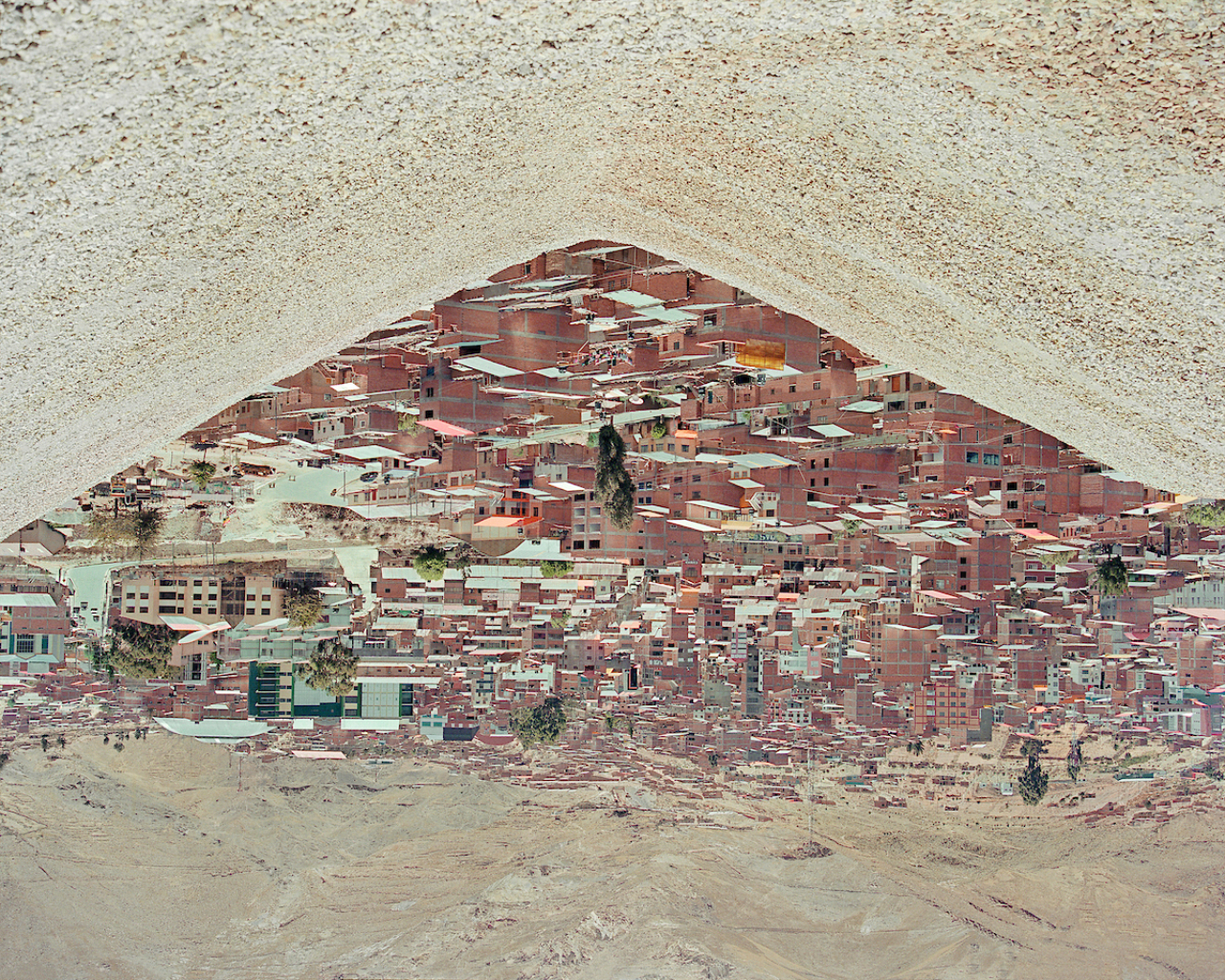
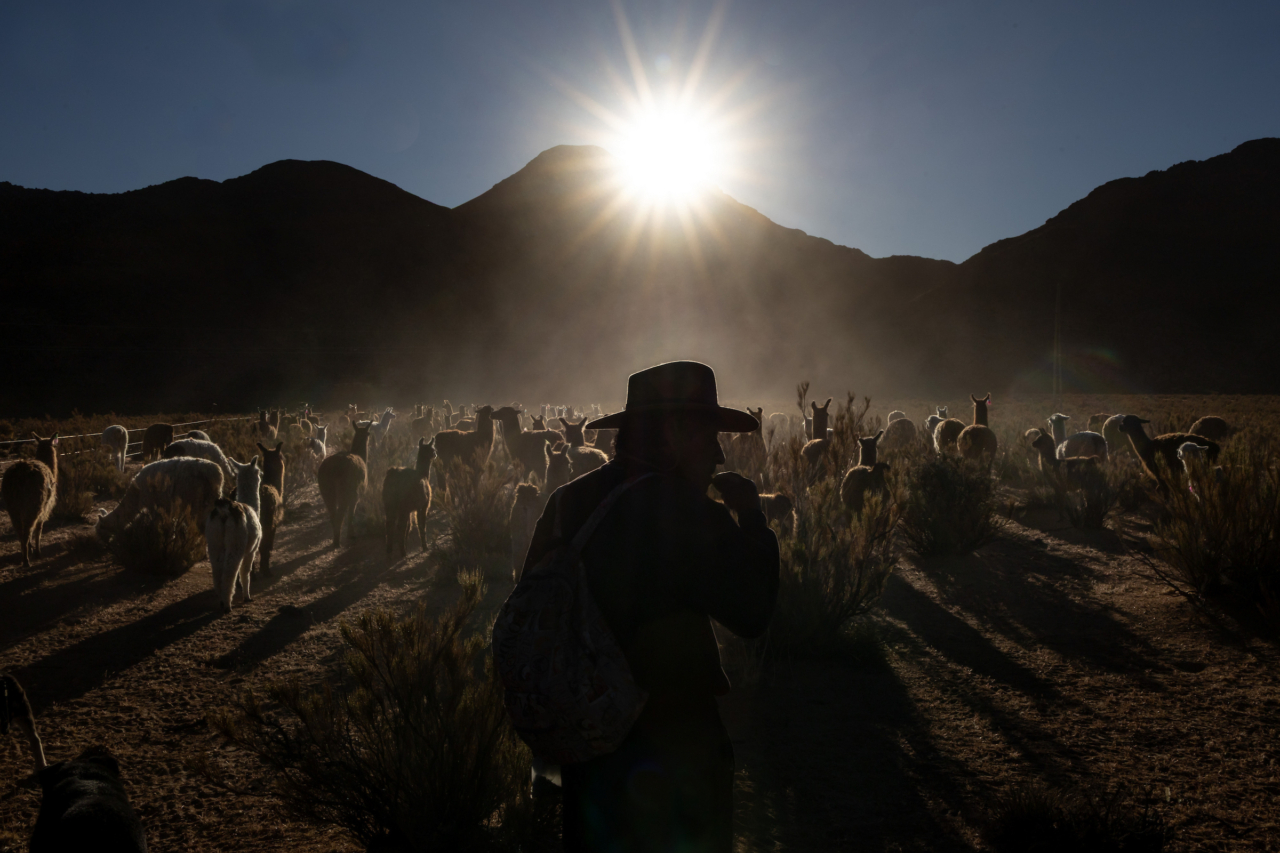
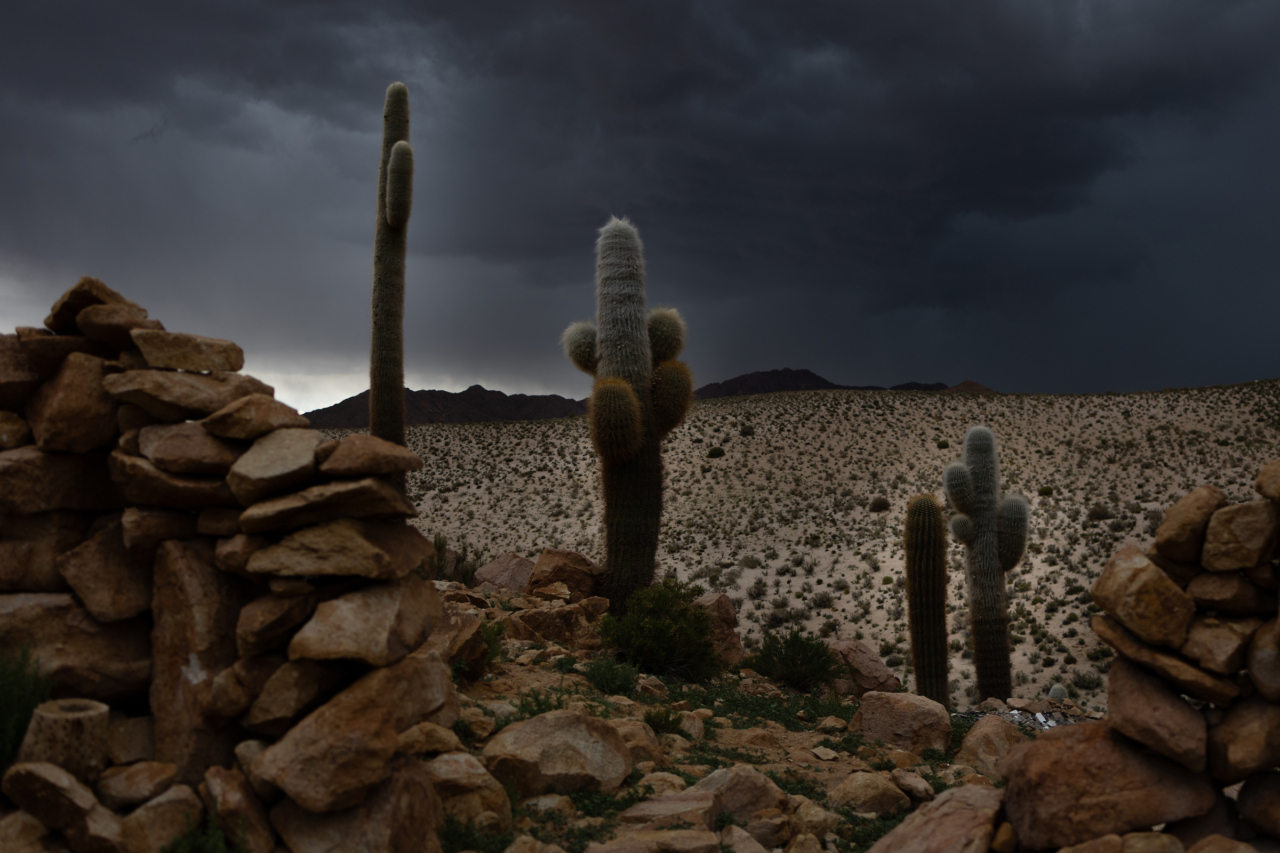
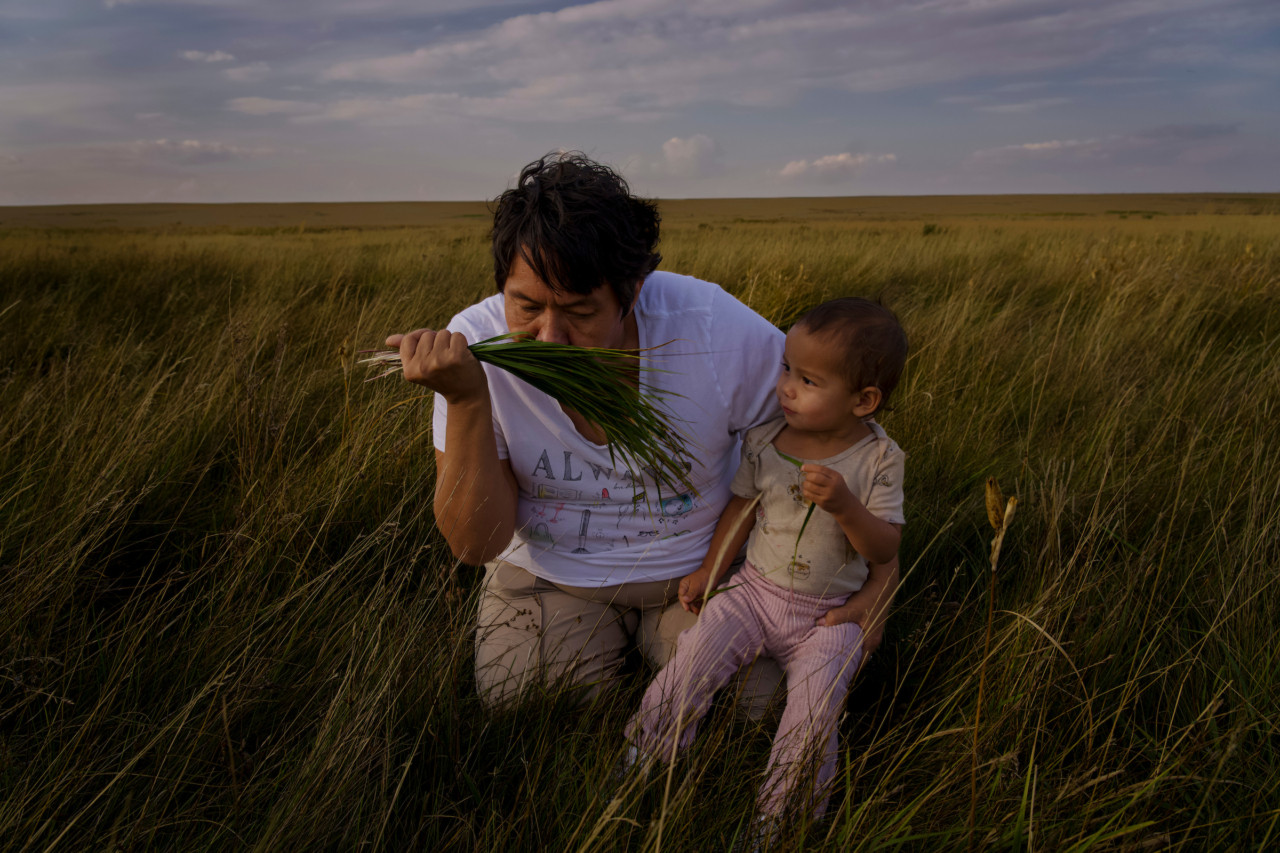
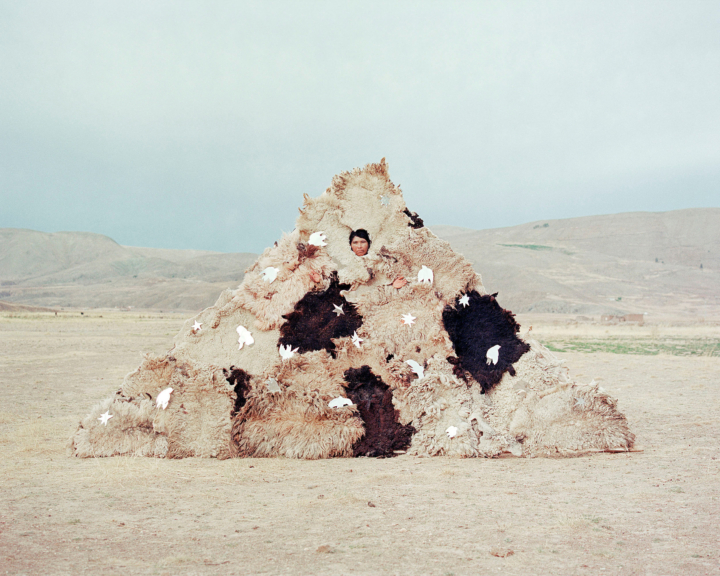
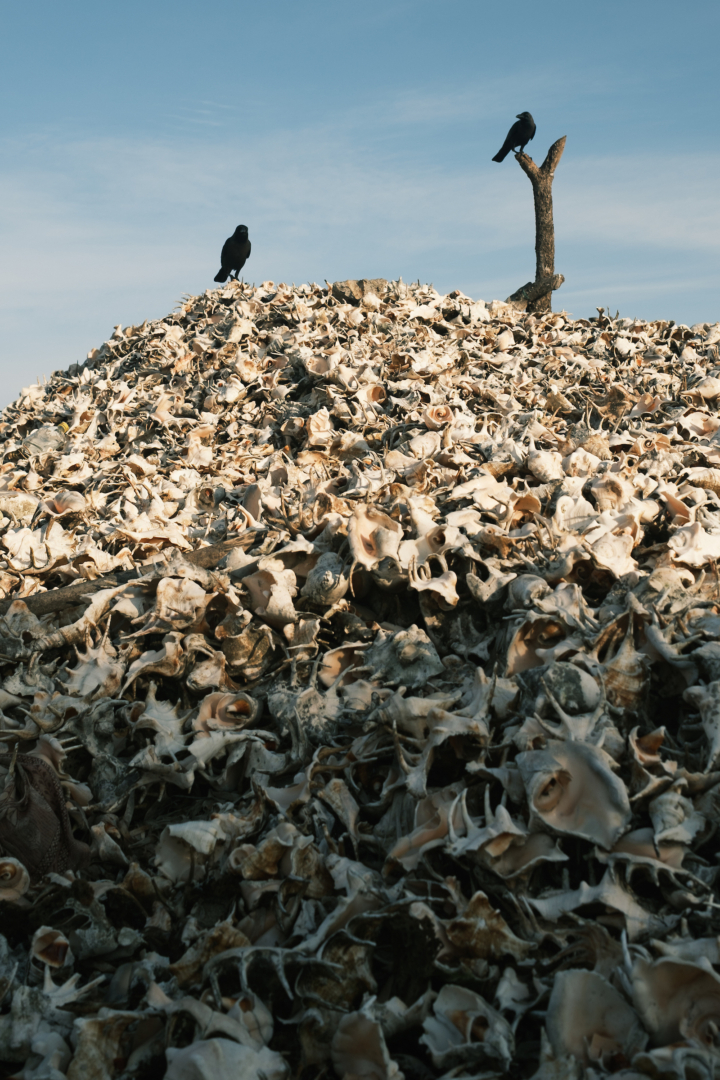
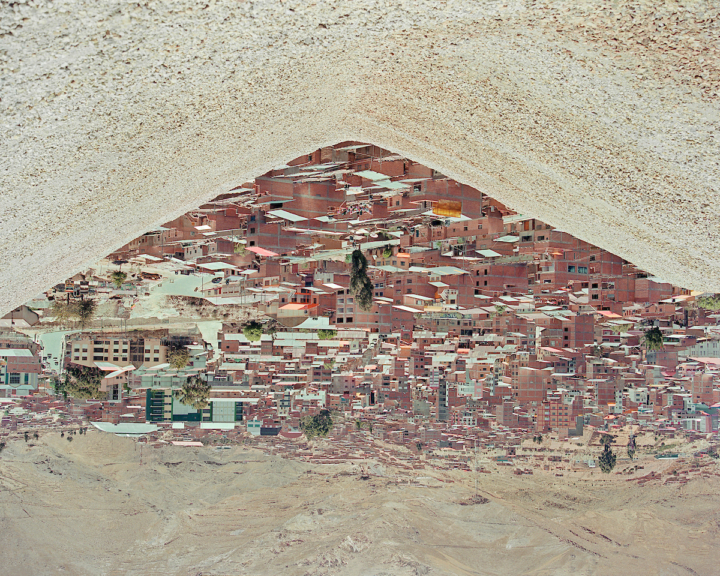
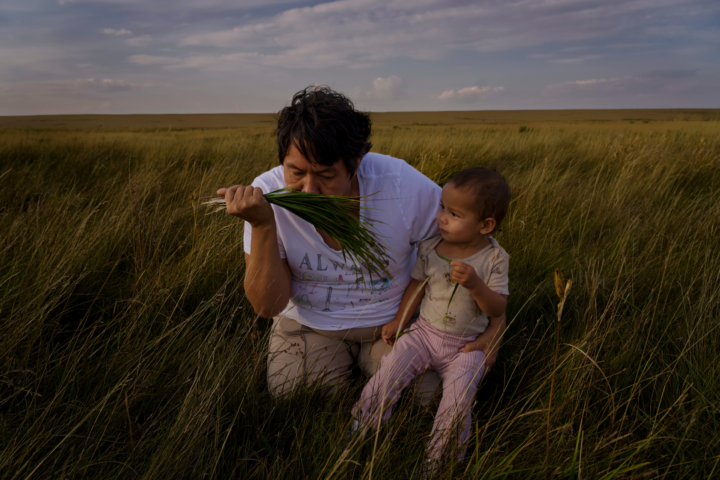
Bolivian photographer River Claure focuses his attention on the disappearance of Andean bodies of water. His project follows efforts to revive Lake Uru Uru using totora reeds to filter toxic mining waste, pairing documentary images with symbolic “boats” that carry stories and artifacts into an uncertain future. A similar ethic of repair runs through Whitney Snow’s “The Women’s Grass,” set on Blackfeet land in Montana, which documents a women-led campaign to restore sweetgrass, a sacred plant threatened by drought and disrupted ecosystems.
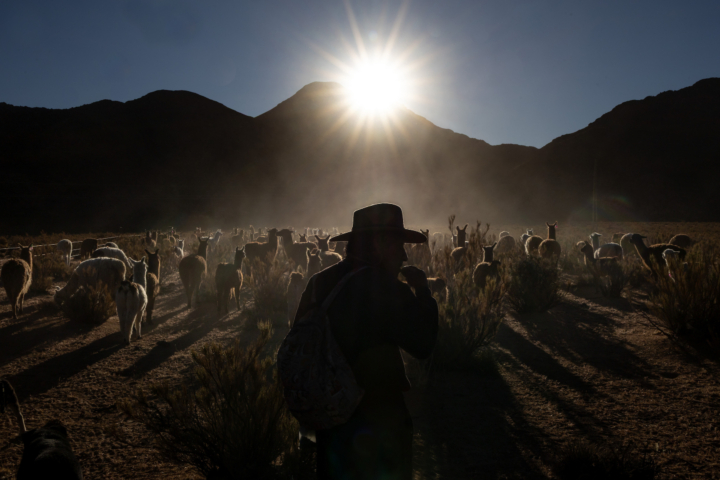
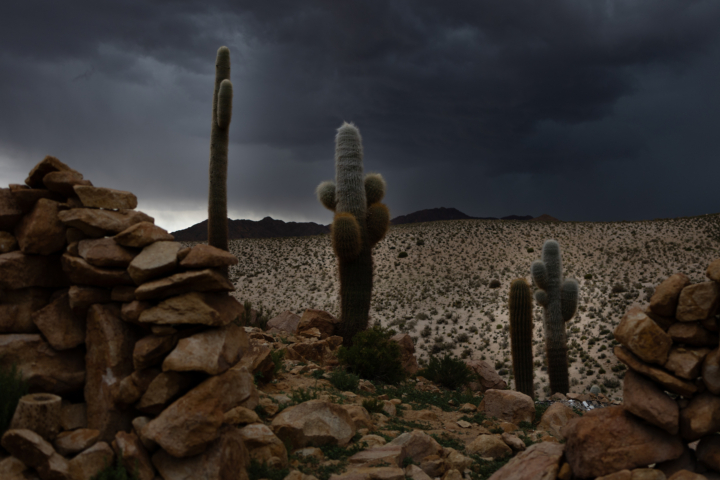
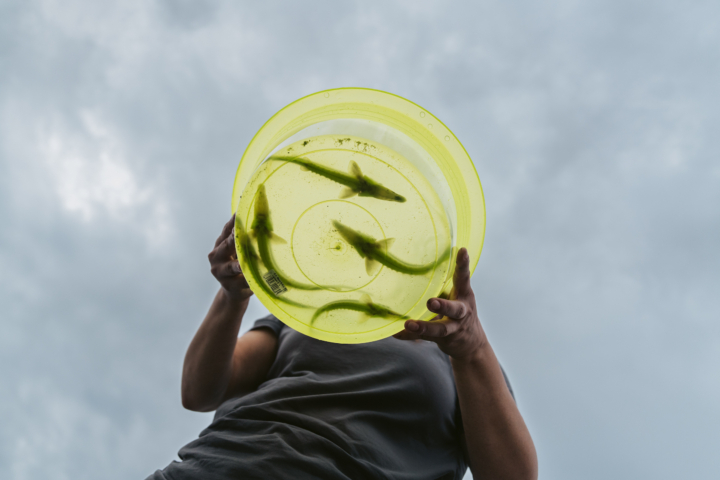
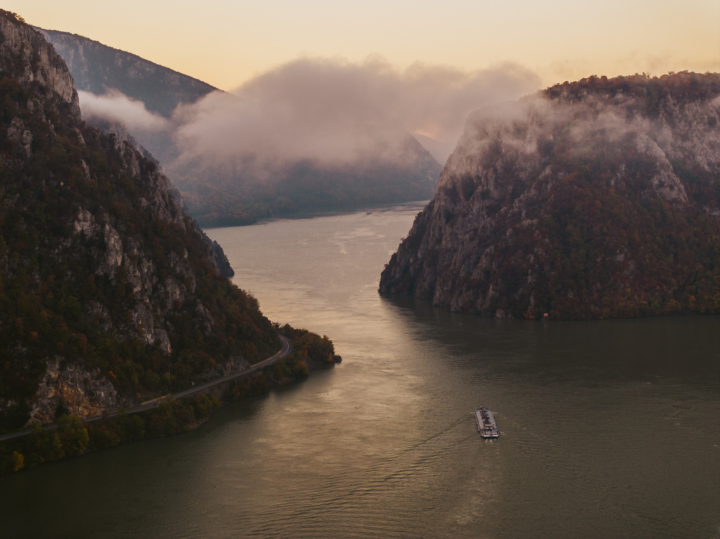
In addition to the fellows, Vital Impacts selected 11 photographers for a yearlong mentorship designed to strengthen storytelling and professional networks. Through one-on-one sessions with established photographers, editors, and conservationists, mentees will refine projects that honor both people and place. This year’s mentees include Afzal Adeeb Khan and Isaac Nico, both based in India; Bade Fuwa in Nigeria; Michaela Vatcheva in Bulgaria; Uma Nielsen in Argentina; and Viktoria Pezzei in Germany, among others.
Join our membership community. Support our work, receive a complimentary subscription to Atmos Magazine, and more.
Photography Nonprofit Brings Climate Storytelling To The Frontlines
Photography Nonprofit Brings Climate Storytelling To The Frontlines