




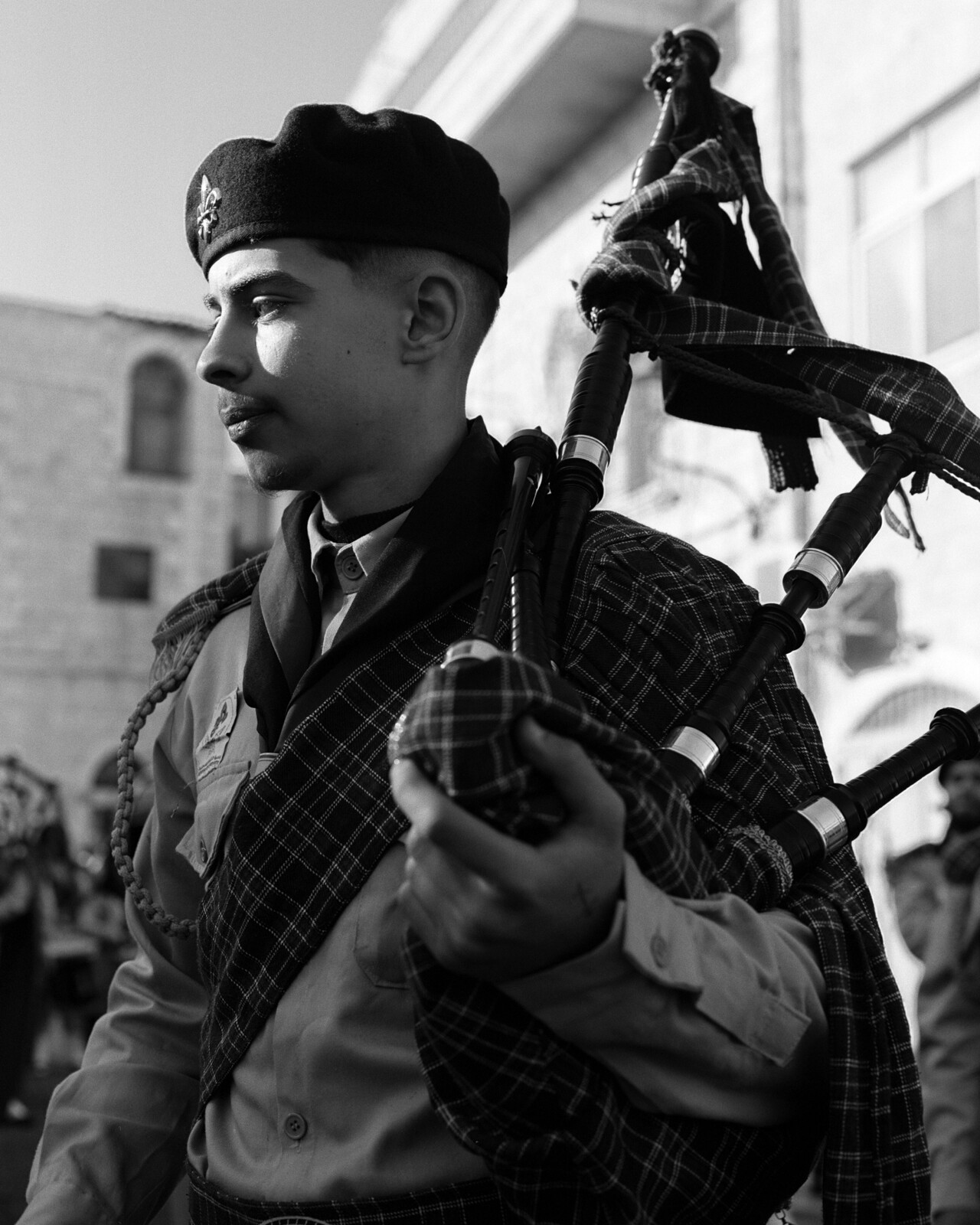

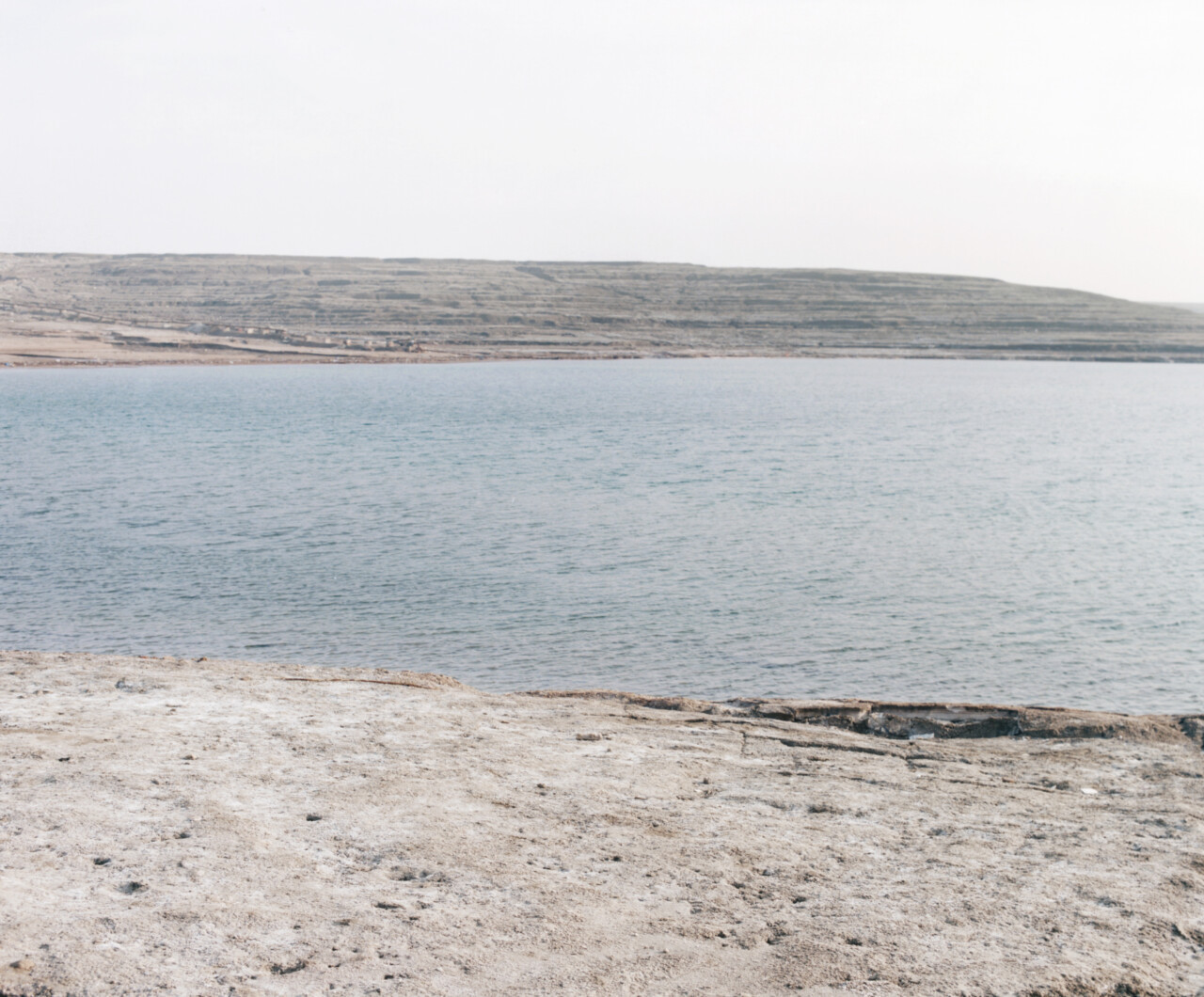


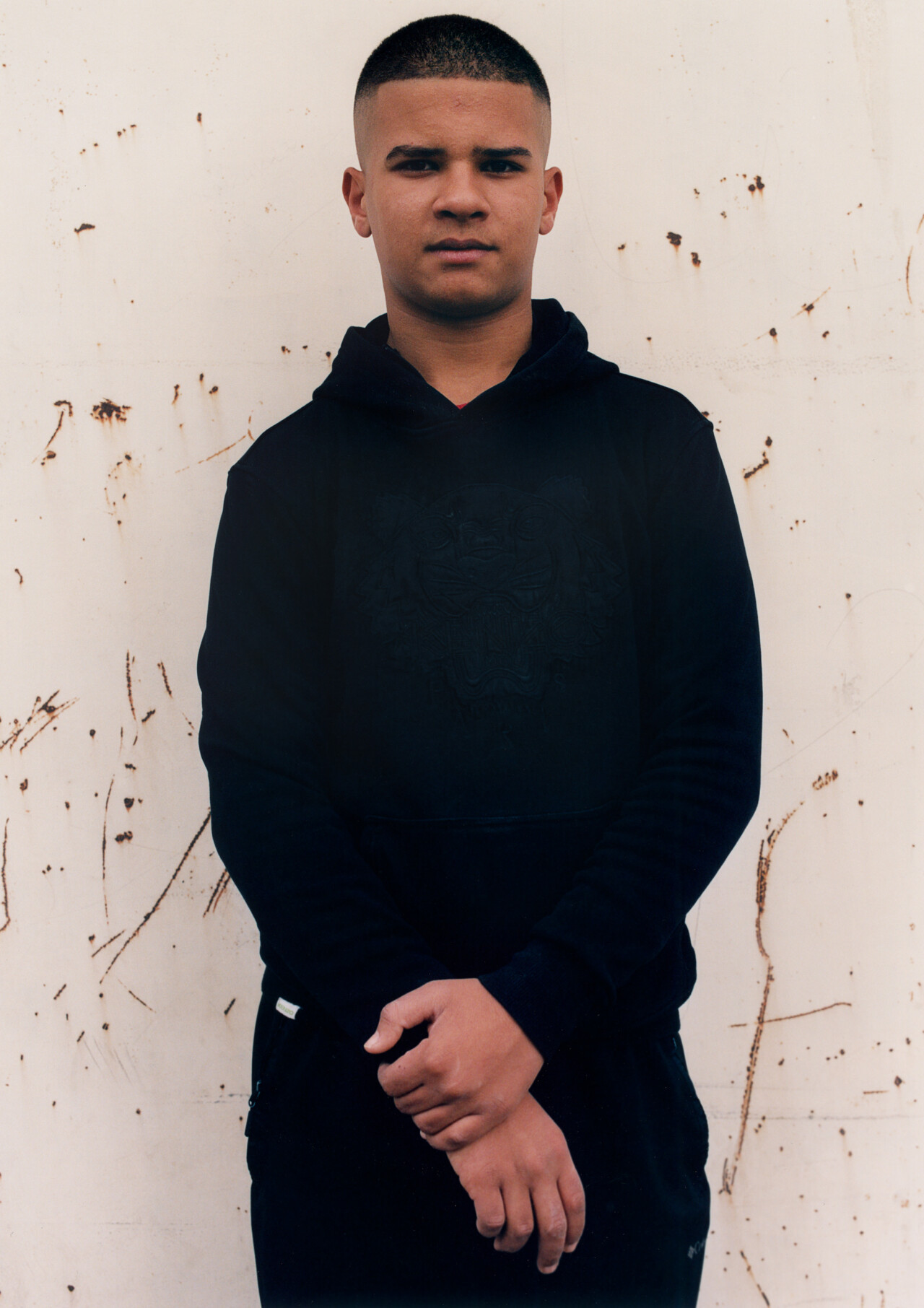


Photographs and Words by Fredrick Horn
Poetry by Yahya Al Hamarna
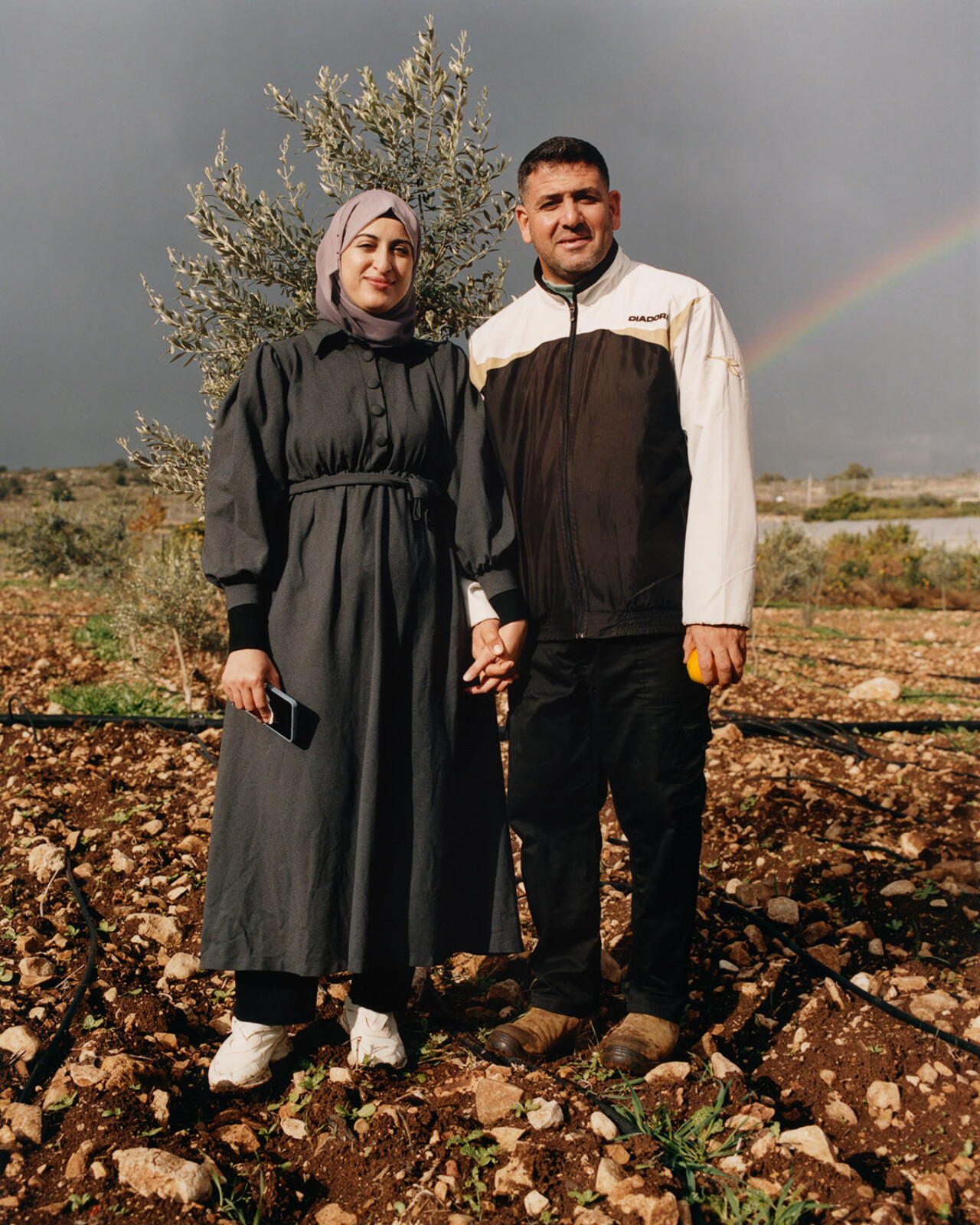
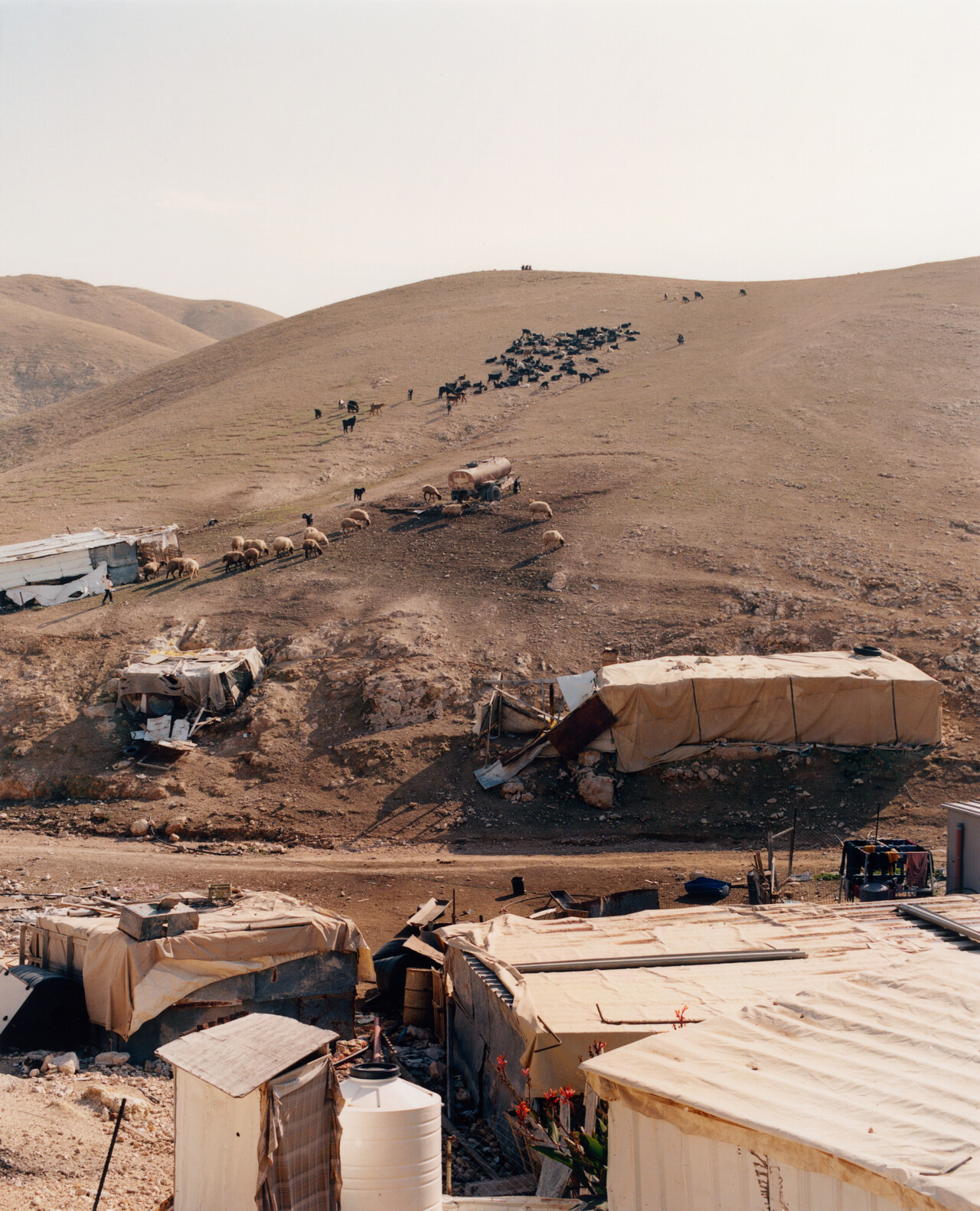
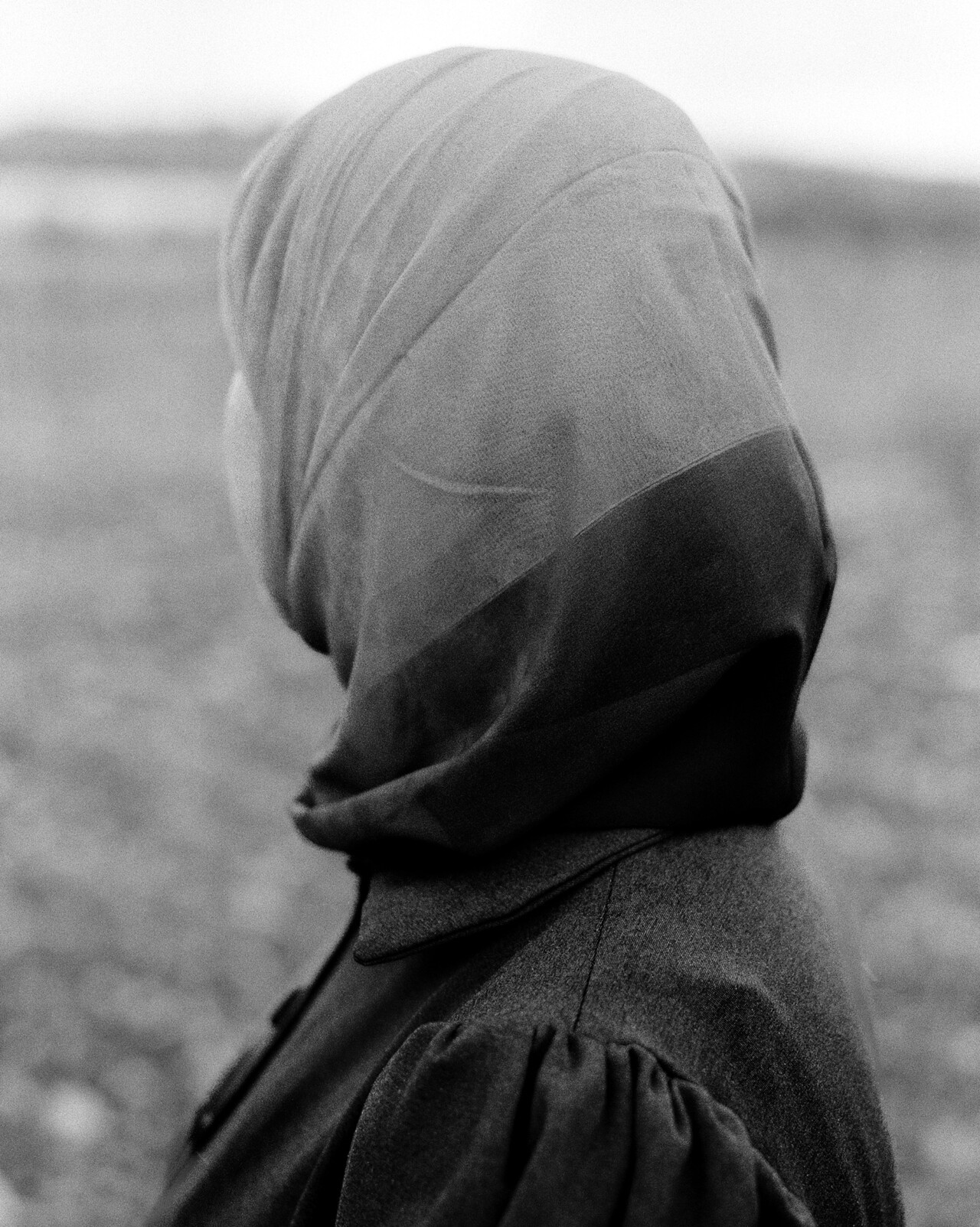
For Palestinians, the land holds memory, livelihood, and knowledge passed through generations. Even under occupation, that relationship persists. To farm the land and remain attached to it is a refusal to be erased.
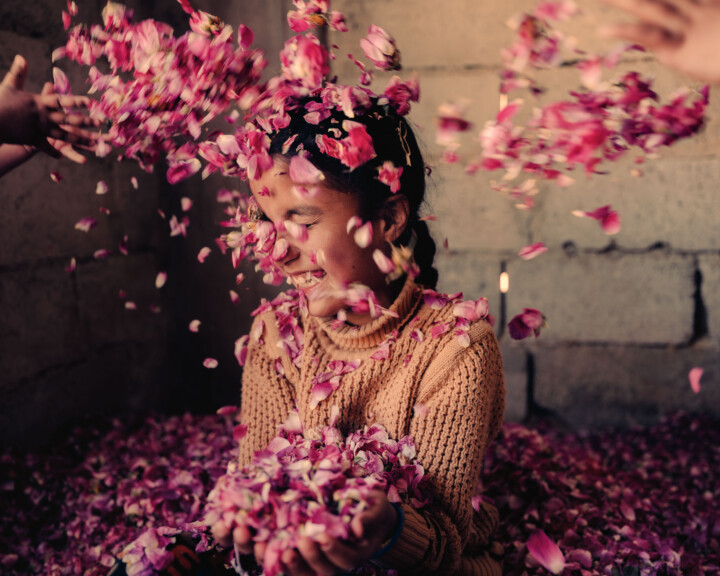
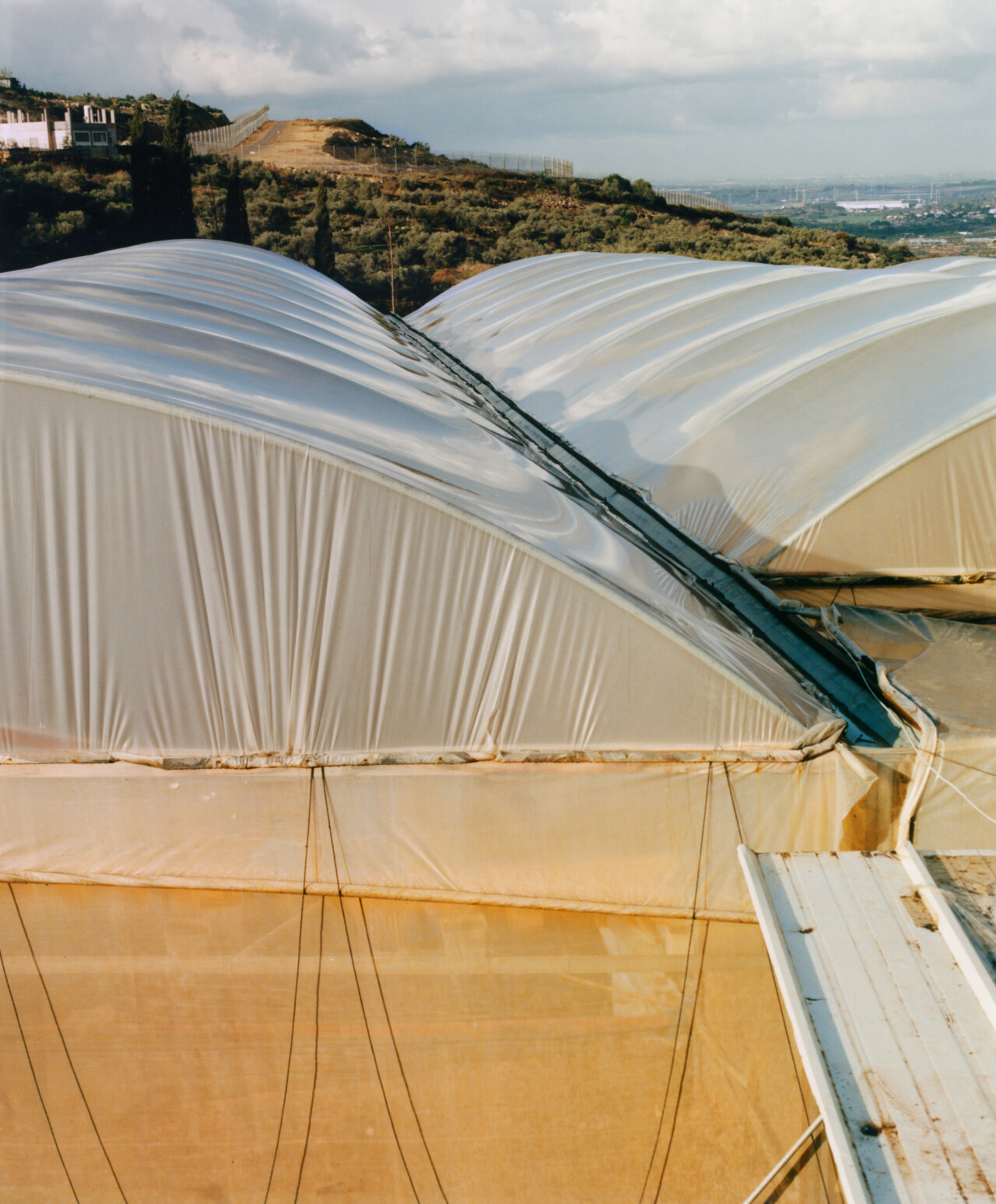
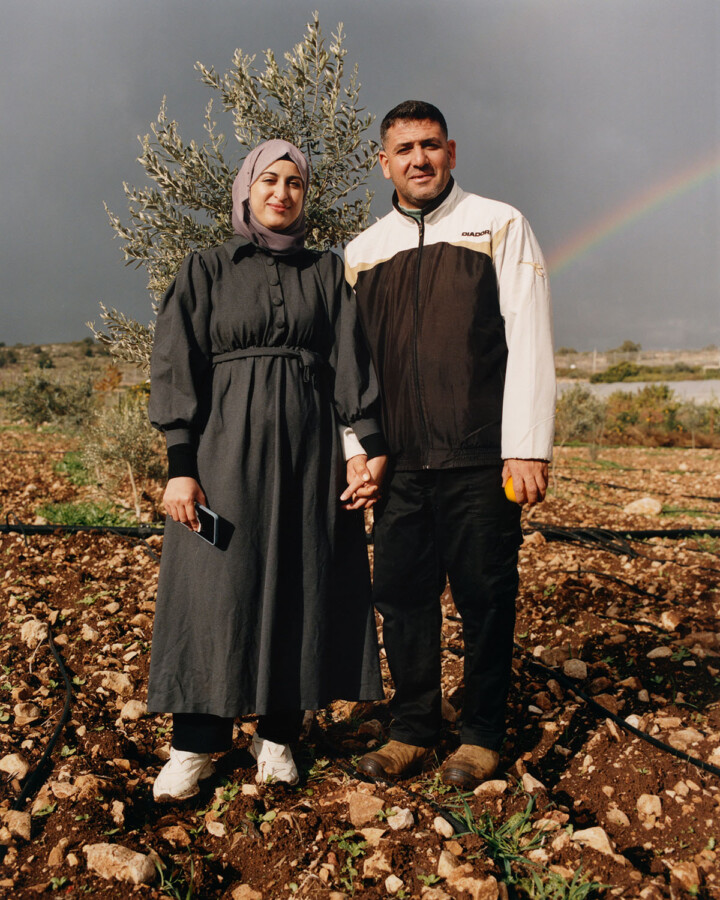
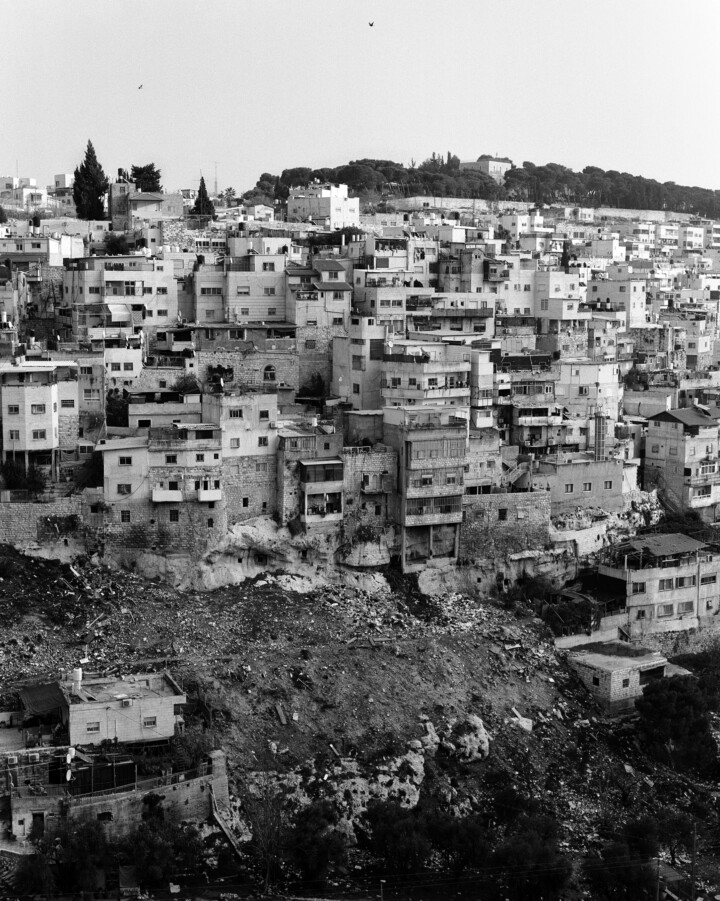
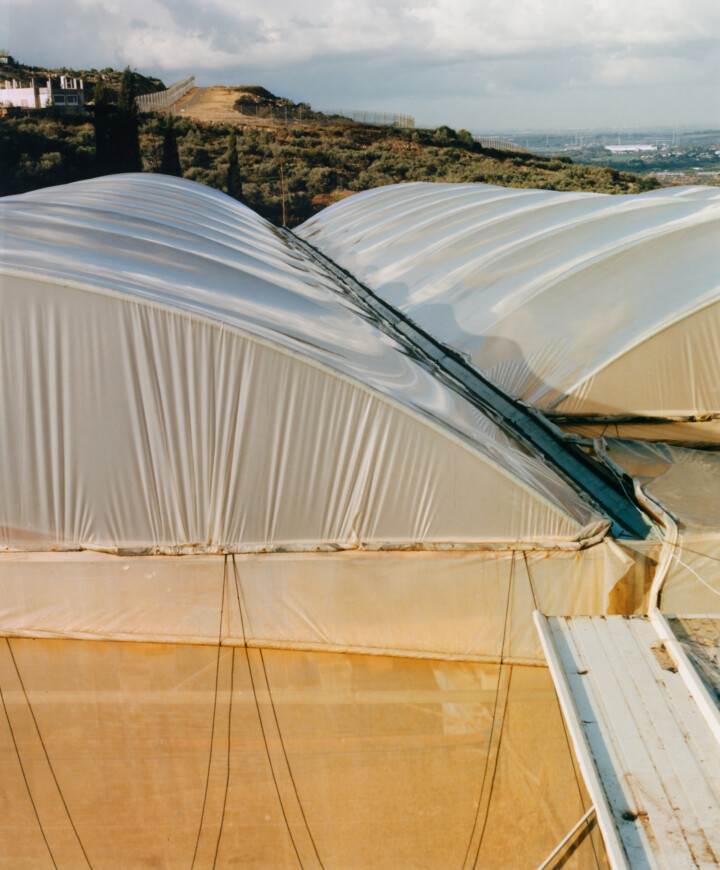
Following the October 2025 ceasefire, travel to the West Bank became possible in late December for the first time in two years and opened a brief window to visit a grassroots farming initiative in Jayyus. In partnership with the Palestinian Farmers’ Union, Treedom for Palestine works with farmers to strengthen food security, protect land, and support sustainable livelihoods, with a focus on community knowledge, environmental stewardship, and women’s leadership.
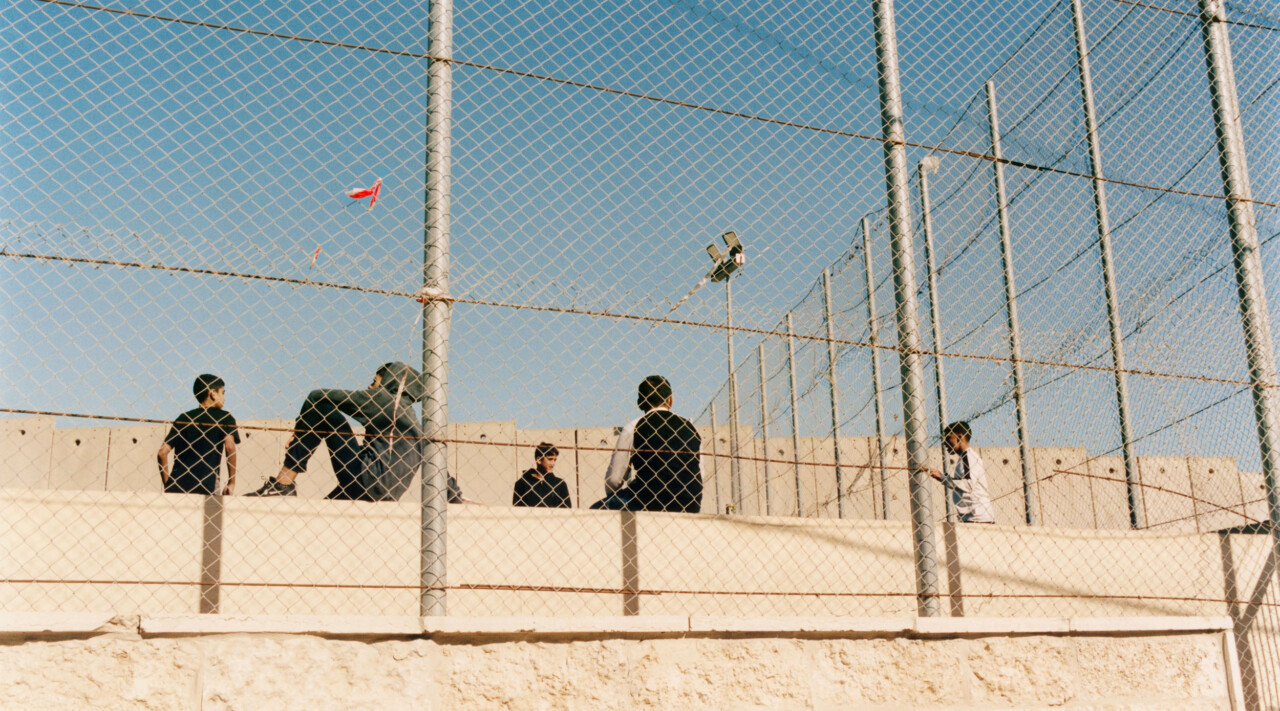
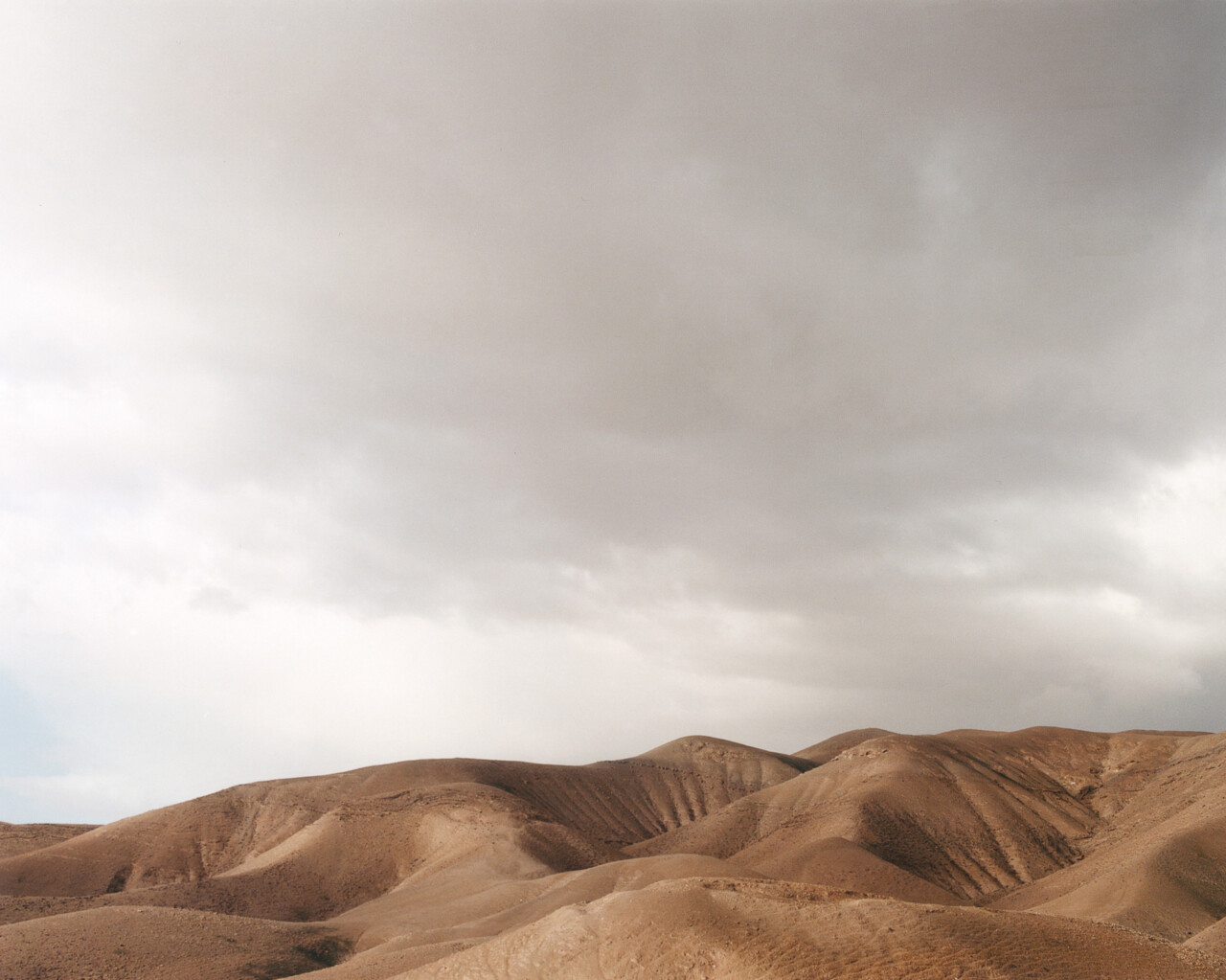
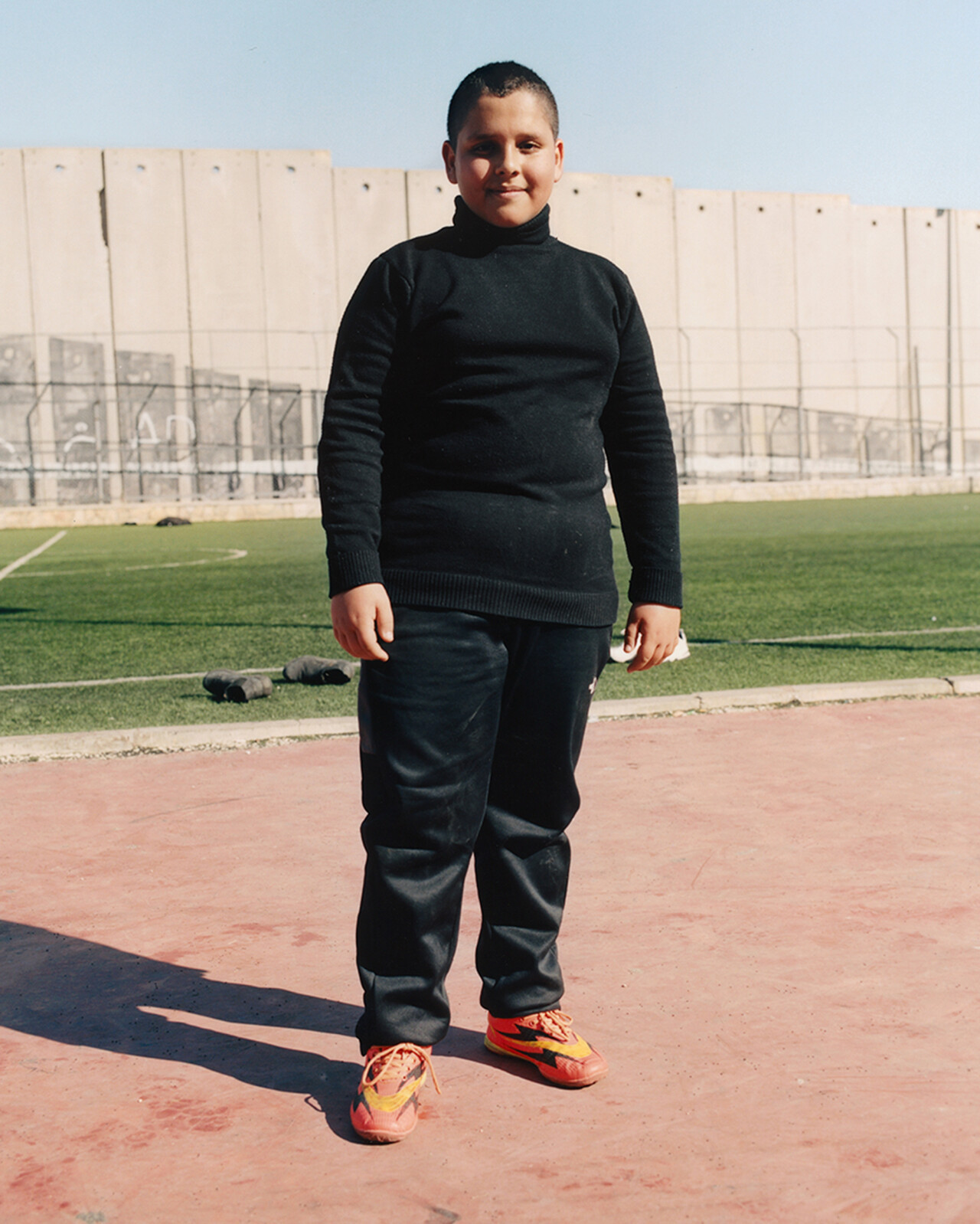
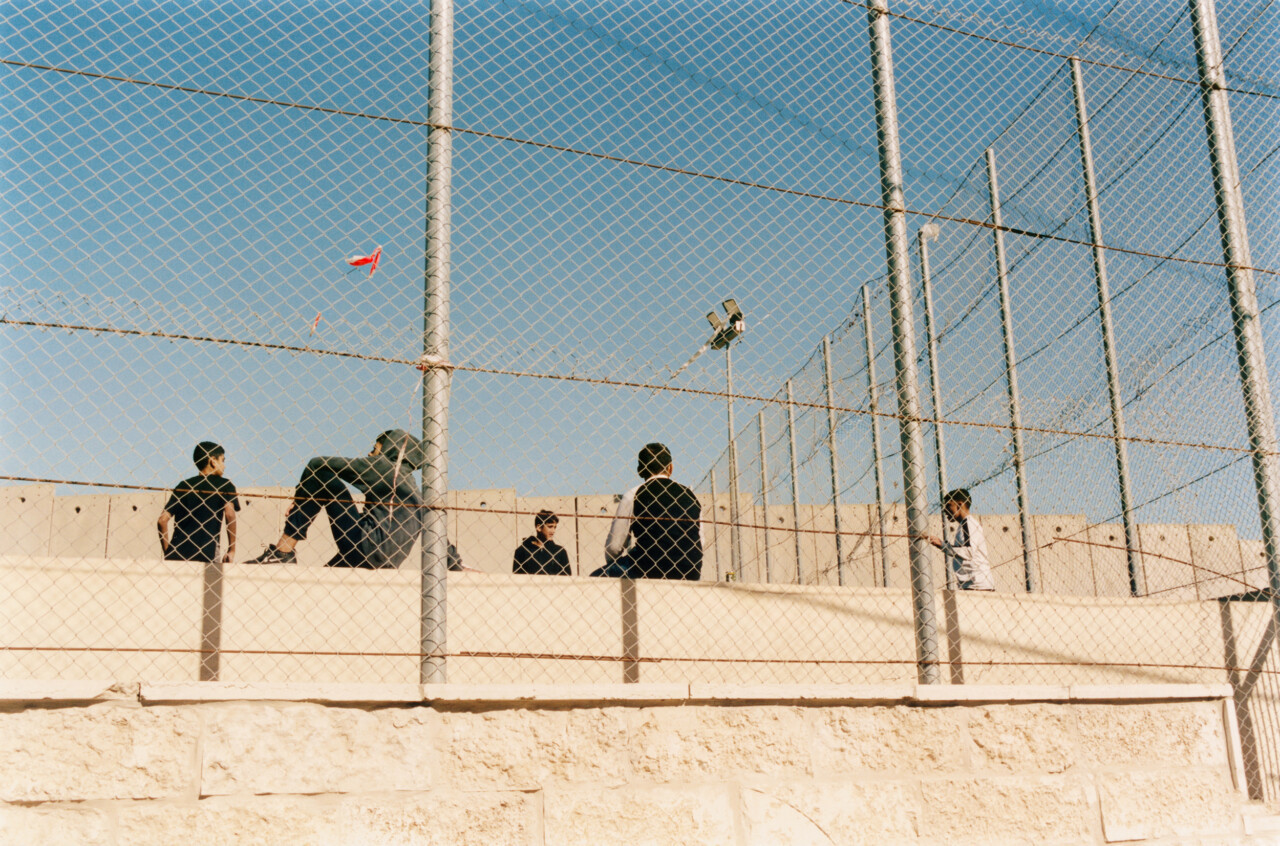
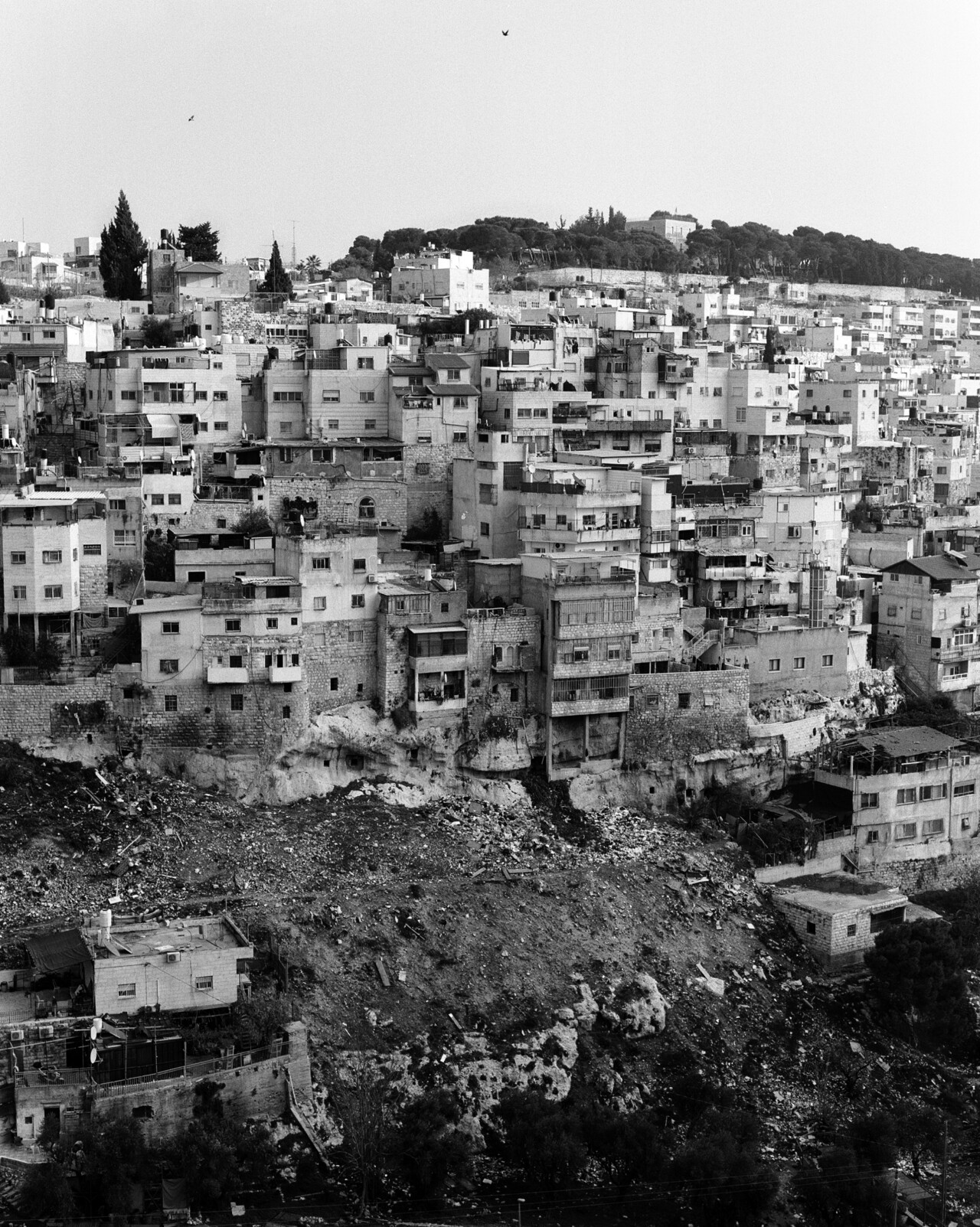
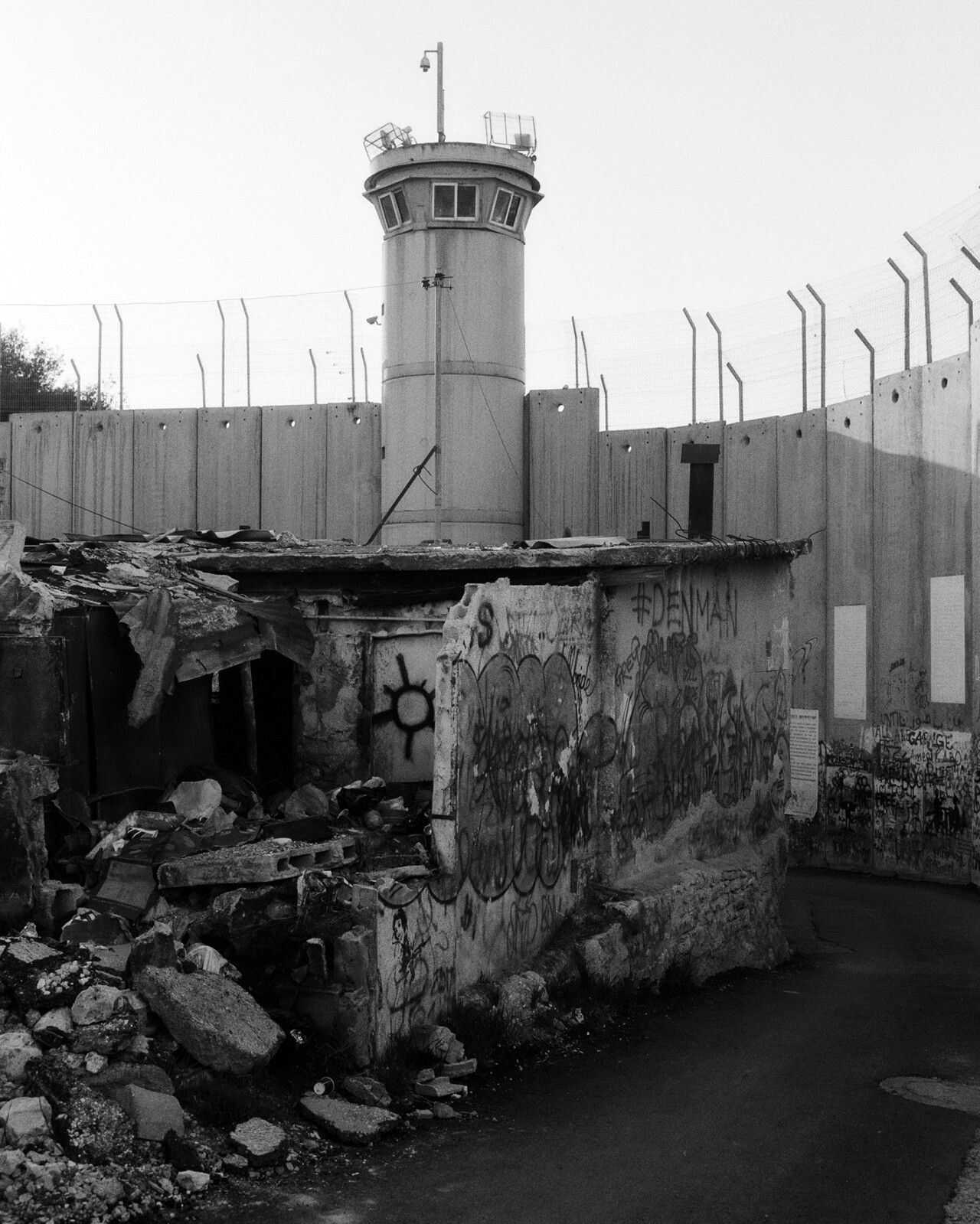
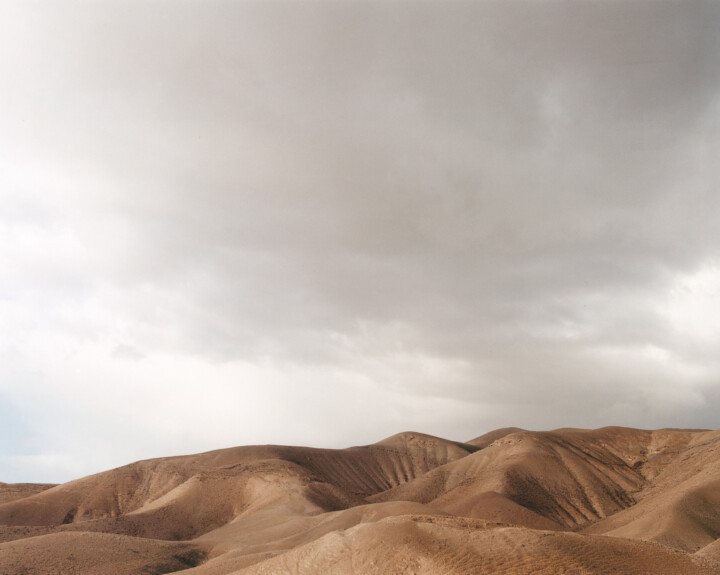
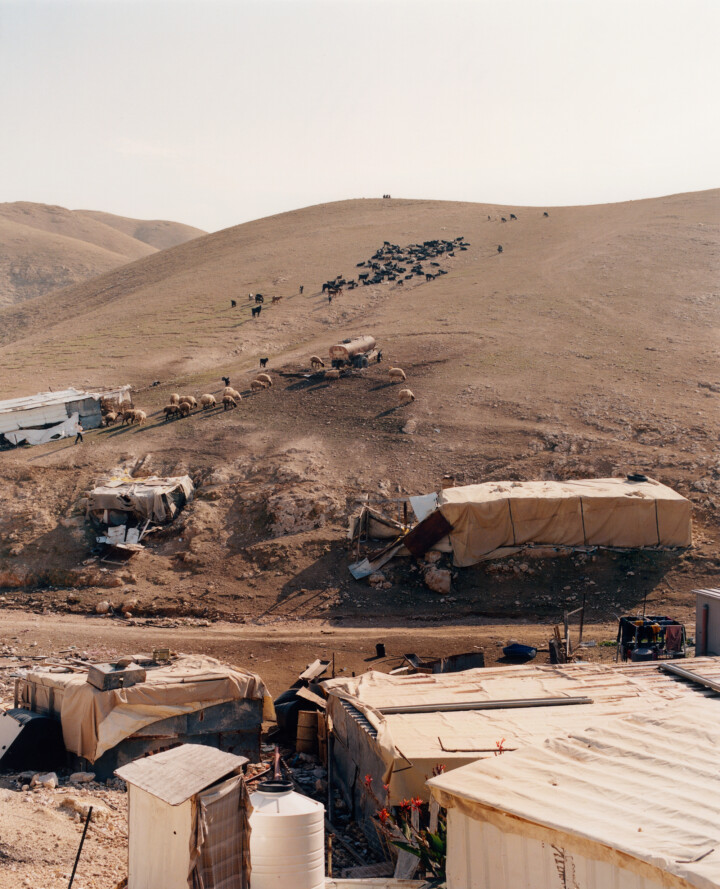
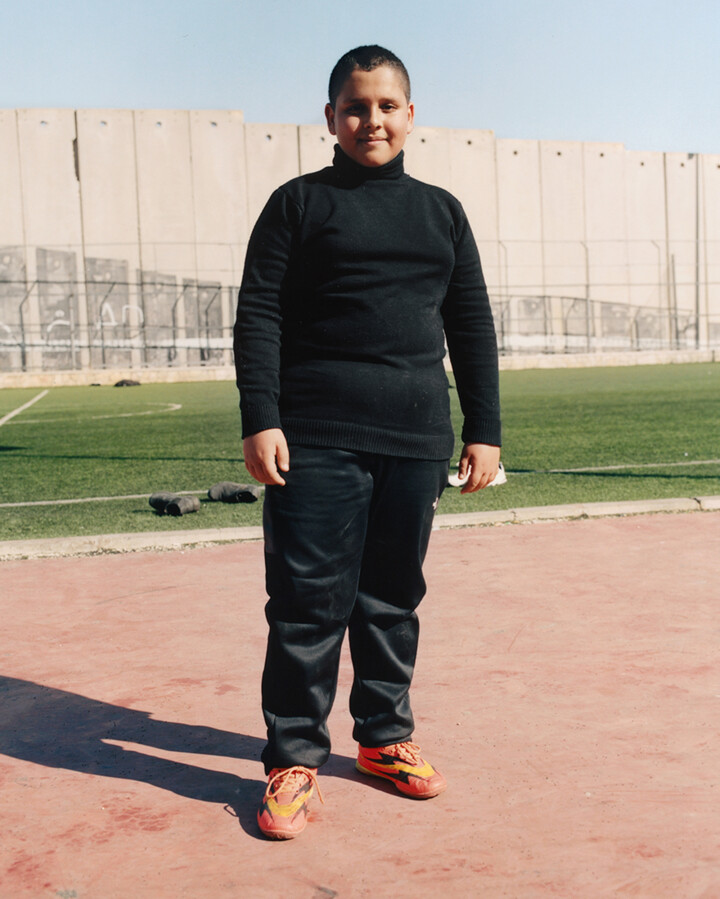
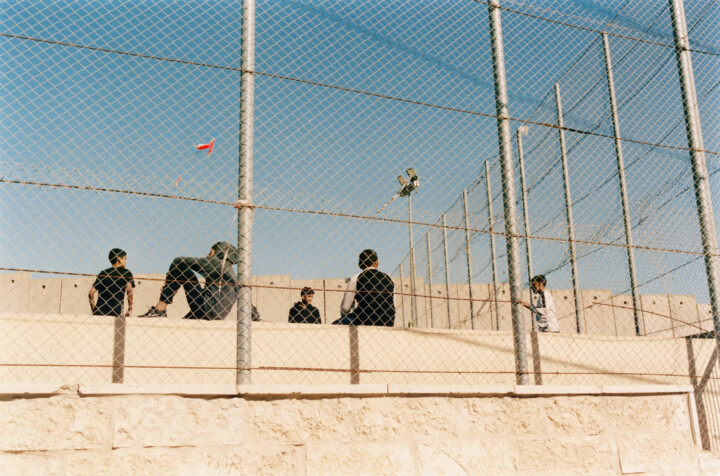
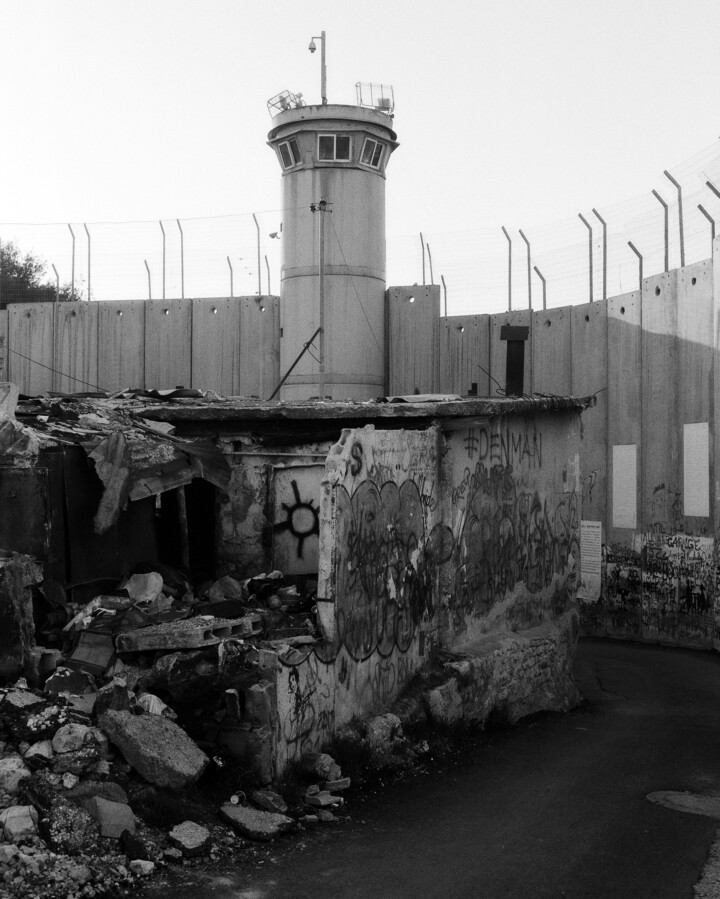
But in that same week—from December 23 to 29—more than 8,000 olive trees were allegedly uprooted by Israeli forces, and Palestinian neighborhoods near Bethlehem were destroyed during what is usually the city’s busiest season. Since 2003, the West Bank has been encircled by a 30-foot-high illegal segregation wall, stretching hundreds of miles and intersected by a network of military checkpoints, making the West Bank one of the most militarized civilian environments in the world and fragmenting land and life.
Palestinians have lived on and cared for this land for thousands of years. That bond is unbroken. Even now, the land remains more than a site of conflict: It is an ongoing relationship between people and place. In every tree replanted and every field tended, that relationship endures.
Olive Trees Waiting for Us
They are not merely trees, as you might think
They are what remains of us
After we left.
In Nablus
Branches hang like open arms
Not calling out loudly
Yet they know the absent
One by one
As if they never lost anyone.
In Gaza
The trees count the sounds of the night
Guarding a table
That holds more absent ones than present ones
Waiting for warm bread
That no missile will tear apart
Waiting for the sea
To learn how to forget
In Ramallah
The olive tree writes Its letters
On sheets of light
Never sending them
Only leaving them In the air
In case someone remembers the road
When it is lost
In Hebron
Roots cling to stone
Not out of fear of falling
But fear that memory might be uprooted,
And they whisper
Here they passed
Here they wept
And here they left their names
So they would not die
In Jenin
The trees do not sleep
They guard faces they know well
Returning them
As light
Walking inside a song
In Zarnouqa
There is no tree to return to,
Yet the olive knows us
As if we never left It
As if the road simply misplaced us.
There
A tree still holds my grandfather Mustafa’s name
Since the year he left
Without closing the door behind him.
And still
It extends its shade a little further each year
As if making space
For his returning step
It knows him
And it knows me
Even though I have never arrived,
As if blood itself
Guided it toward me
The trees here are not silent
They only speak
A slower language
One that takes a lifetime
To understand
The olive tree does not ask: where were you?
It only opens Its arms
Like a mother
Too tired to reproach.
The olive does not only wait for us
Sometimes
It fears we may forget It
More than we fear being lost
Every branch
Reaches out to those
Who crossed borders
And could not find themselves
And says
Come back
We will put you back together
The way a mother
Mends her child’s heart after tears.
The olive knows you
Even if names are forgotten
Bethlehem
Tulkarm
Qalqilya
Jaffa
It knows your steps
Counts them
Like a father counting his children
In the dark
It will keep waiting
Not because time Is long
But because we
Are the ones who are late
It will remain
Until Gaza sits
At a table without fear
Until Nablus heals
From the ache of its roads
Until the land opens Its windows
And nothing enters
But light
It is not only a homeland we carry
But a homeland
That carries us
When we are tired
And the olive has become a homeland
Every time we try to leave It
It grows inside us
Yahya Al Hamarna is a poet and writer based in Gaza, Palestine.
Join our membership community. Support our work, receive a complimentary subscription to Atmos Magazine, and more.
Farming Under Occupation in the West Bank
Farming Under Occupation in the West Bank